What Is a Loyalty Card?
“Do you have our card?” is a familiar question at checkout. Sometimes customers open it on their phones right away. Sometimes they remember that their plastic card is at home and pay without earning points. It may seem like a small detail. But when a card is inconvenient to use, customers gradually stop noticing the program itself. A loyalty card is a personal identifier for a program member that lets them receive its benefits: points, discounts, gifts, or special service terms. It links a purchase to a specific customer. This allows a store, café, or salon to record their activity and provide rewards under set rules. For customers, it usually looks simpler: show the card, earn points, and use them on the next visit. For a business, it is also a way to keep in touch after the first sale.
What Does a Loyalty Card Mean for a Customer?
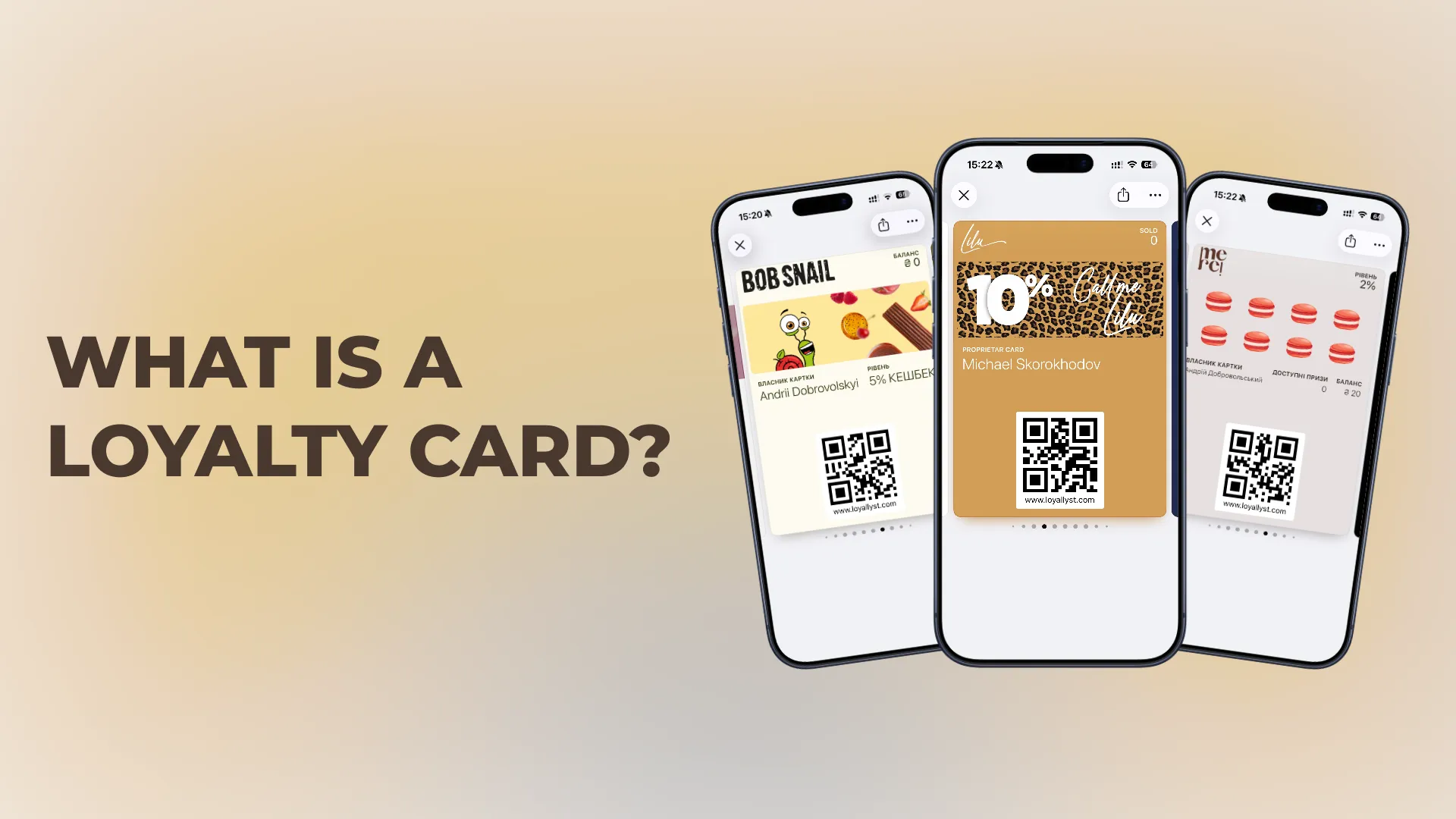
Put simply, a customer loyalty card is a way to get extra value where they already shop or use services. For example, a café guest pays for seven drinks and gets the eighth free. A store customer collects points and spends them on the next order. A salon offers a regular client special terms for their favorite treatment. What customers get from loyalty cards depends on each business's rules. The most common benefits are:
- A purchase discount. It may be fixed or cumulative, growing with the total amount spent.
- Points. Part of the purchase value returns to a bonus balance and can be used under the program's terms.
- A gift for a specific action. For example, after a certain number of purchases or visits.
- Privileges. Early access to a new collection, exclusive offers, or additional services.
How Do Loyalty Cards Work?
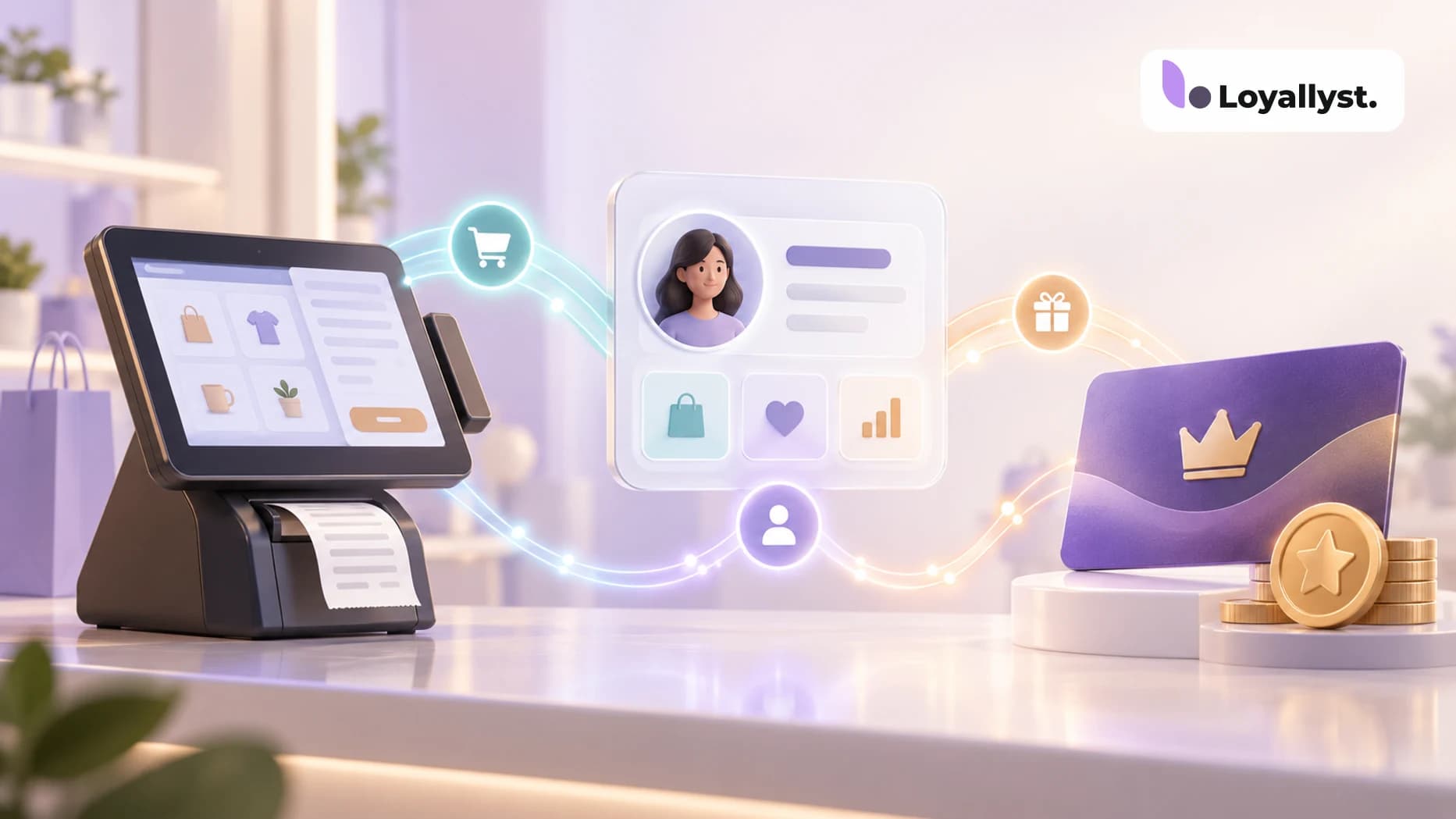
Each card has an identifier, such as a number, barcode, or QR code. The system uses it to find the program member and record their purchase. The process usually looks like this:
- The customer registers. They fill out a short form and receive a card.
- They present it when buying. A staff member scans the code or identifies the customer in another supported way.
- They receive a reward. The system records the purchase, awards points, applies a discount, or updates progress toward a gift.
- They use the accumulated benefit. On a later order, the customer can redeem points or receive a reward once they meet the conditions.
 Suppose a store awards points worth 5% of a purchase. On a 1,000 UAH order, the customer receives 50 points. If one point equals one hryvnia and the rules allow points to cover up to 20% of the next order, the customer can use all 50 points on a 250 UAH purchase.
This is an illustrative example. A business chooses the earning rate, redemption limits, and point expiry based on its margins.
What does the loyalty card do in this process? It identifies the program member and applies their terms. The connected system handles calculations, purchase history, and point awards.
Suppose a store awards points worth 5% of a purchase. On a 1,000 UAH order, the customer receives 50 points. If one point equals one hryvnia and the rules allow points to cover up to 20% of the next order, the customer can use all 50 points on a 250 UAH purchase.
This is an illustrative example. A business chooses the earning rate, redemption limits, and point expiry based on its margins.
What does the loyalty card do in this process? It identifies the program member and applies their terms. The connected system handles calculations, purchase history, and point awards.
How Is a Card Different From a Loyalty Program?
Cards and programs are closely connected, so people often treat them as one thing. But there is a difference. The program sets the rules: how customers earn points, how much they can redeem, and how they reach the next tier. The card gives them access to those terms and helps record purchases. For a loyalty program, cards are a convenient way to identify members on each visit. The program itself can also work through a phone number or an online account.
If you are still choosing between discounts, points, and gifts, read “What Is a Loyalty Program?”. It explains the reward mechanics in more detail before you decide how to issue a card.
Why Do Businesses Need Loyalty Cards?
The first goal is to give someone a reason to return. After a purchase, they have points, progress toward a gift, or access to special terms. This may influence which store they choose next time. There is another benefit: purchases are no longer anonymous. You can see who visits regularly, who buys rarely, and who used to be a regular but has not returned for a while. This information makes it easier to prepare relevant offers. Help a new customer place a second order. Suggest a suitable new product to a regular. Remind someone who has stopped visiting about your business, if they agreed to receive messages. Cards also help make service consistent. Customers do not need to explain to a new employee which discount they were promised last time: the terms should be available in the system. For a small café, this is a way to work with regular guests without a dedicated marketer. For a chain, it means recognizing the same customer at different locations when they share one database.
How Do Loyalty Cards Increase Revenue?
Revenue grows through the actions a card helps encourage. Several mechanisms are at work.
Repeat purchases. Someone still has 120 points. When they need your product again, they may remember that balance and return, especially if the benefit is clear and easy to use.
More frequent visits. A guest sees that one more purchase will earn them a free coffee. This may prompt another visit. But the reward must be within reach: a gift after fifty visits will not appeal to everyone.
A higher average order value. The program may offer an extra reward for orders above a certain amount. A customer adds an item they need to reach it. Your job is to calculate the offer so the extra sale covers the cost of the reward.
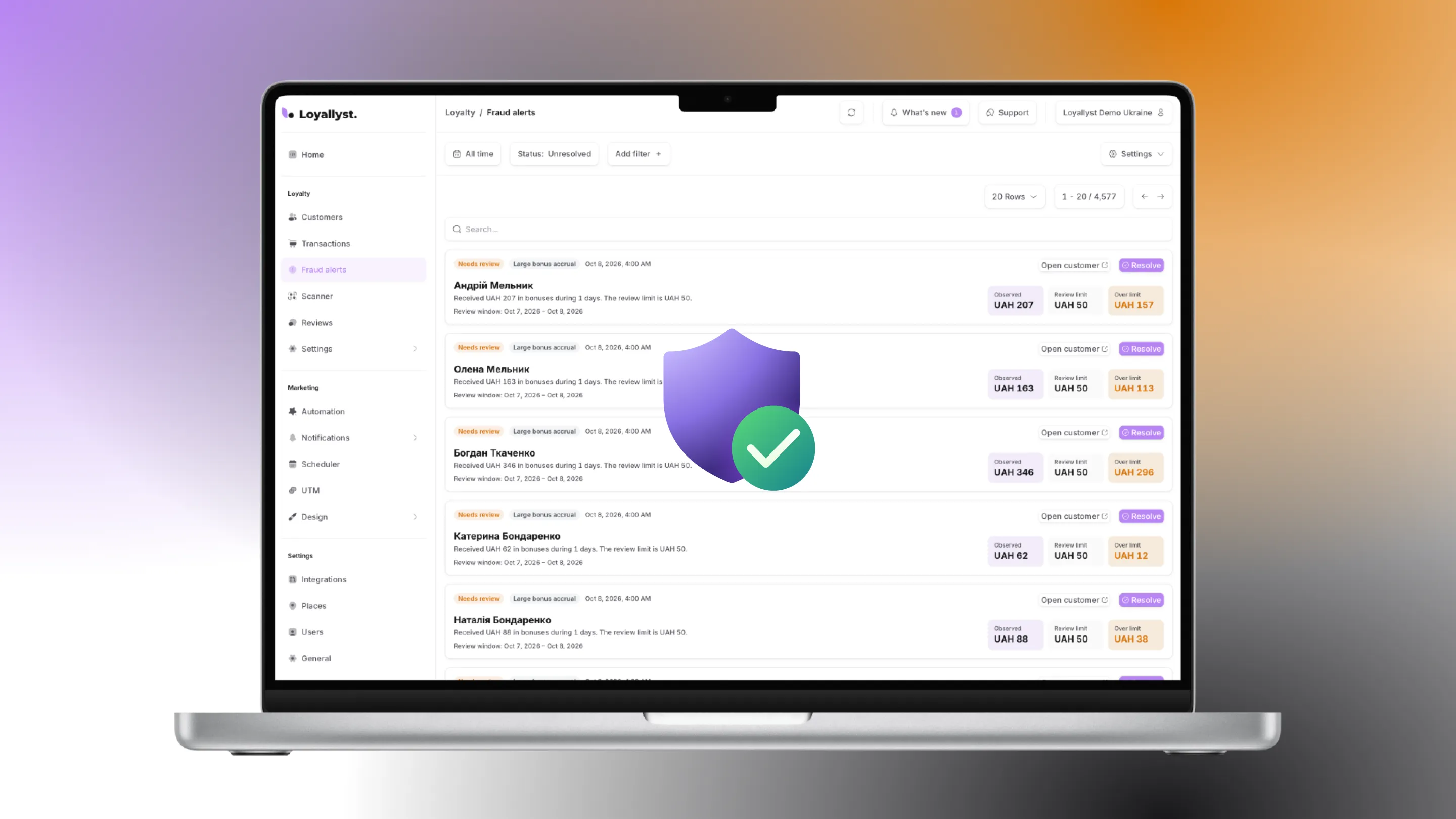
More targeted promotions. Instead of giving everyone the same discount, you can offer a relevant incentive to a particular group. For example, reach out to customers who have not returned for a while and give regulars early access to new products. Revenue and profit are different measures, though. If you award points generously without calculating the cost, sales may rise while earnings per order fall. Track repeat purchases, average order value, and profit after rewards. The number of cards issued does not show the result on its own.
Why Use Apple Wallet and Google Wallet Cards?
A plastic card has to be carried around. It can be forgotten, lost, or buried among other cards. A digital card avoids many of these problems: customers open it in their smartphone wallet. With Loyallyst, a card is added to Apple Wallet or Google Wallet after QR code registration. Customers do not need to install a separate app for your business. The card shows their point balance, discount, or progress toward a reward, and the information updates after transactions recorded by the system. Cards can match your brand style; the platform also supports Wallet notifications and POS and CRM integrations.
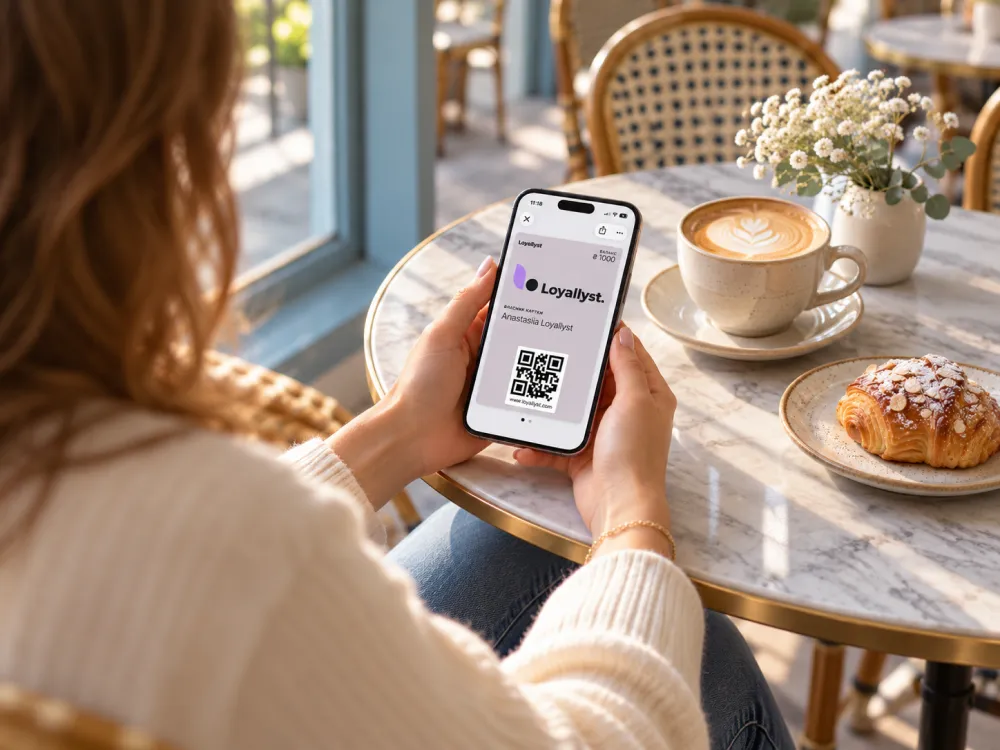 Customers understand the benefit more easily when they can see it. Instead of a vague promise to “collect points,” they see a specific balance or the number of purchases left before a gift.
For a business, the digital format removes the need to print plastic cards. Convenient registration also reduces the steps customers must complete at checkout.
Customers understand the benefit more easily when they can see it. Instead of a vague promise to “collect points,” they see a specific balance or the number of purchases left before a gift.
For a business, the digital format removes the need to print plastic cards. Convenient registration also reduces the steps customers must complete at checkout.
How Do You Set Up Loyalty Cards With Loyallyst?
Start with a question: which customer behavior do you want to encourage? A second purchase, regular visits, or larger orders? The answer shapes the reward mechanism and the information customers should see on the card. Next, define the earning and redemption rules, prepare the design, and choose how purchases will be recorded. Before launch, test the entire journey: registration, adding the card, the first purchase, and using the reward. Customers should know what to do, and staff should know how to serve them.
The Loyallyst loyalty program helps connect customer cards with ongoing customer relationships. If you want to launch a digital card, set up loyalty cards in Apple Wallet and Google Wallet: leave a request to discuss the reward mechanism, settings, and suitable integration. Start with one clear reward. When a card provides a noticeable benefit and is easy to use, customers have a reason to open it again on their next order.

Frequently asked questions
It is a personal identifier for a loyalty program member. It links purchases to a customer and gives them access to points, discounts, gifts, or other benefits.
A customer registers and presents the card when buying. The system identifies them by number, barcode, or QR code and applies the program’s reward rules.
The program sets the reward rules. The card identifies the member and gives them access to those terms.
A Loyallyst card does not require a separate app from the business. After QR code registration, customers add it to Apple Wallet or Google Wallet.
Track repeat purchases, visit frequency, average order value, and profit after rewards. The number of cards issued alone does not show the result.