Welcome Bonuses: How to Encourage a Second Purchase
A first order does not yet make someone a regular customer. They may have found you by chance, arrived through an ad, or chosen you because the product they needed was in stock. The purchase is complete. What happens next? Welcome bonuses help keep the relationship going: the customer receives a benefit they can use on their next order. The key is to make returning genuinely convenient.

What Are Welcome Bonuses?
Welcome bonuses are rewards a business gives a new loyalty program member for registering or making a first purchase. They are usually points in a bonus account that can pay for part of an order under the program's rules. For example, a store awards 100 points after registration. One point is worth one hryvnia, and the customer can use the balance from their second purchase to cover up to 20% of the bill.
 A registration bonus differs from an ordinary discount: the benefit stays in the account and may give the customer a reason to return. But the conditions matter. If the entire reward can be spent immediately, it is more likely to help complete the first order.
First, decide what you want to achieve: bring someone into the program, encourage a first purchase, or secure a second one. That determines when points are awarded and when they can be redeemed.
A registration bonus differs from an ordinary discount: the benefit stays in the account and may give the customer a reason to return. But the conditions matter. If the entire reward can be spent immediately, it is more likely to help complete the first order.
First, decide what you want to achieve: bring someone into the program, encourage a first purchase, or secure a second one. That determines when points are awarded and when they can be redeemed.
Why Offer a Bonus to New Customers?
After a first order, someone is still getting to know your business. They may not remember your store's name, product range, or website address. A welcome offer gives them a concrete reason to come back: there are already points in their account. For a business, this is a chance to:
- introduce the customer to the loyalty program;
- obtain their contact details for further communication, with their consent;
- offer a benefit for the next order;
- find out which reward helps new customers return.
How Do Welcome Bonuses Build Loyalty?
A small gift makes a pleasant first impression. But customers also form an opinion of a company through product quality, service, delivery, and clear rules. The bonus helps them take the next step. They return, use your service again, and have another experience with your business. If it goes well, they have more reasons to choose you regularly. There is also a practical benefit: the first redemption shows that the program really works. Customers see their balance, understand its value, and receive the promised benefit. Hidden restrictions have the opposite effect. Imagine promising a customer 200 points, only for them to learn at checkout that they can use them only on an order of at least 5,000 UAH. Show such conditions alongside the offer, before registration.
How to Encourage a Second Purchase: Offer Terms
The size of the gift is not enough on its own. Check whether customers can use it on a typical order at your business.
Make the benefit noticeable. If the average bill is 600 UAH, a reward of 10 points may go unnoticed. But a generous gift also needs to be calculated: the purchase should still be profitable after redemption.
Set clear rules. What is one point worth? What share of an order can points cover? Are there exclusions? Customers need specific answers.
Match the expiry date to the purchase cycle. Two weeks might be enough for a coffee shop but too short for a shoe store. Customers should have time to return without buying something they do not need.
Remind customers of their balance. If they have agreed to receive messages, send a short reminder with the amount, expiry date, and redemption terms. “You have 100 points for your next order” is more useful than a general invitation to visit.
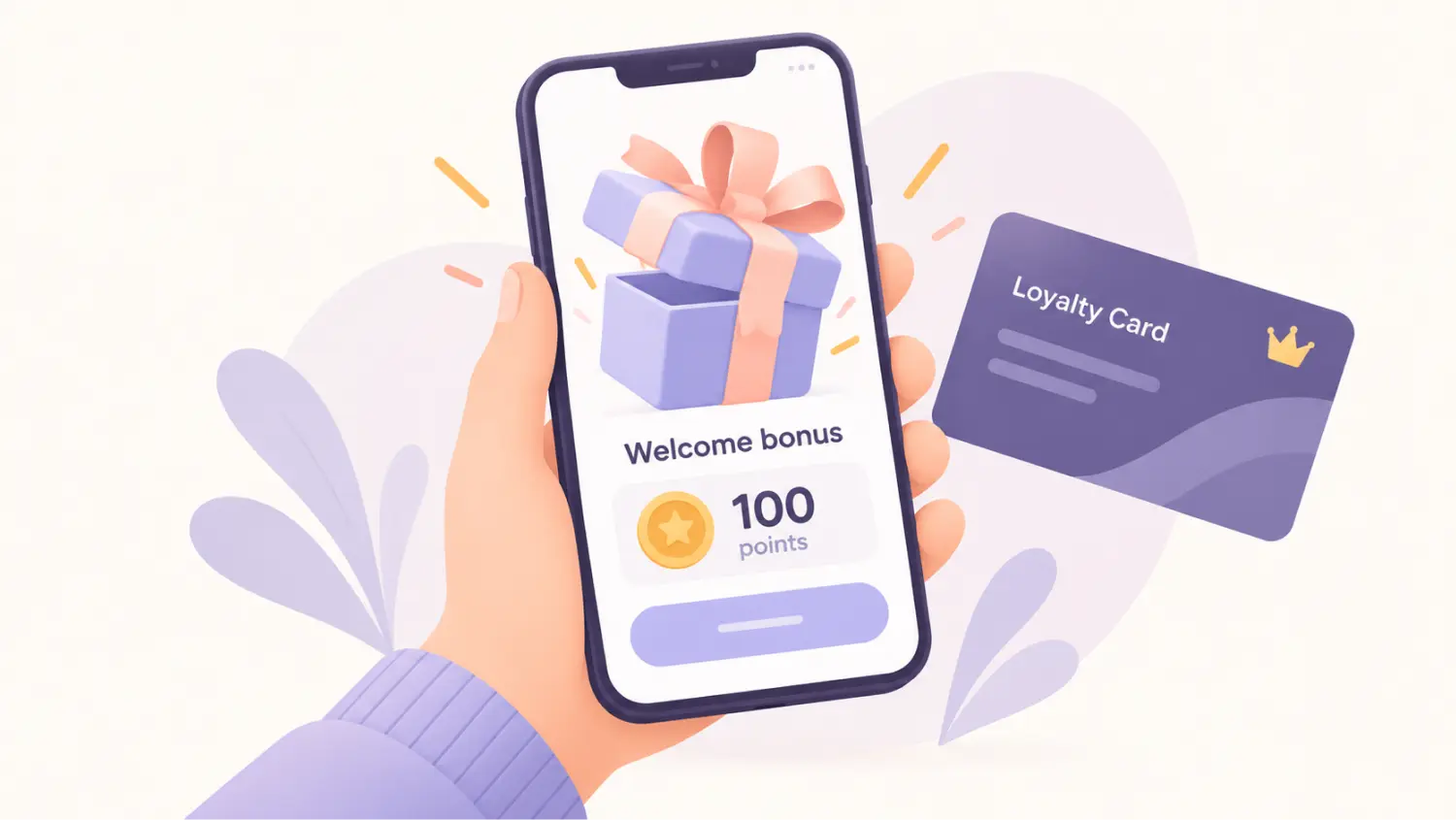 Suppose you award 100 points after a first purchase, allow customers to cover up to 20% of their next order, and give them 30 days to use the points. On a 500 UAH bill, they can redeem the entire gift. This is an illustrative example: check the figures against your margins and purchase frequency.
How Do You Set Up Welcome Bonuses?
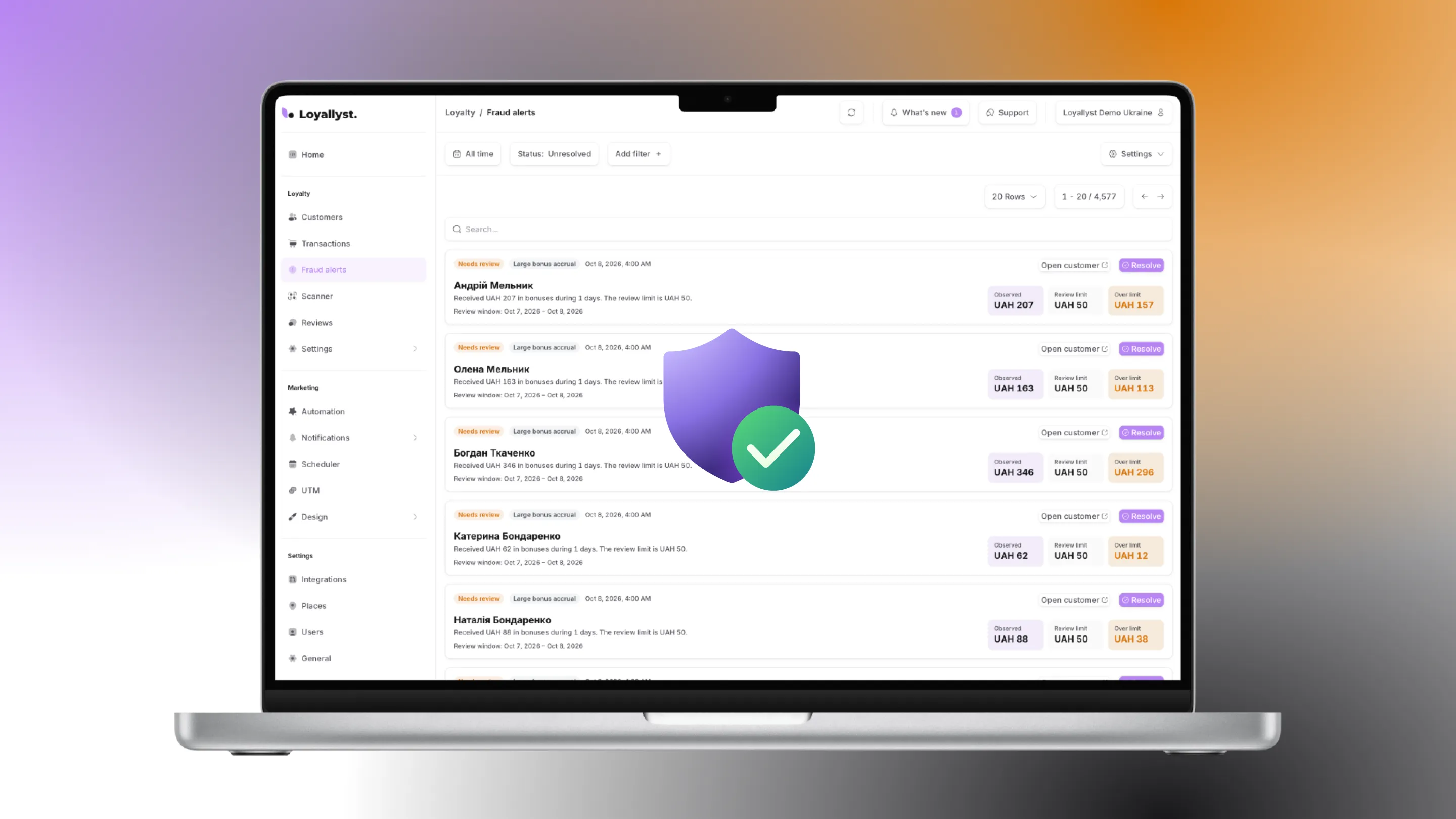
Start with one scenario. Define who counts as a new customer, which action earns the reward, and when it can be used. Put safeguards in place to prevent someone from collecting the reward through multiple registrations.
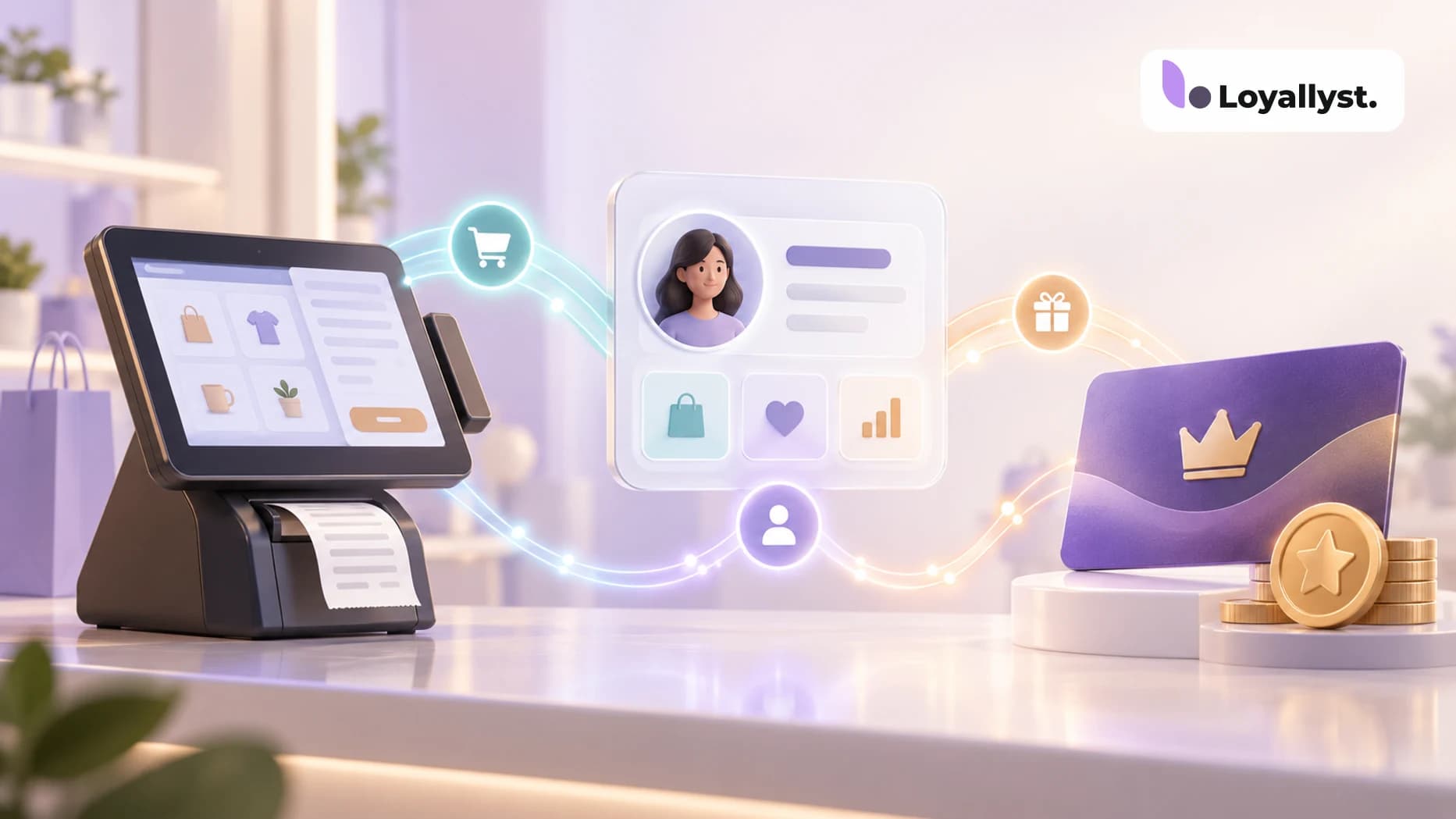
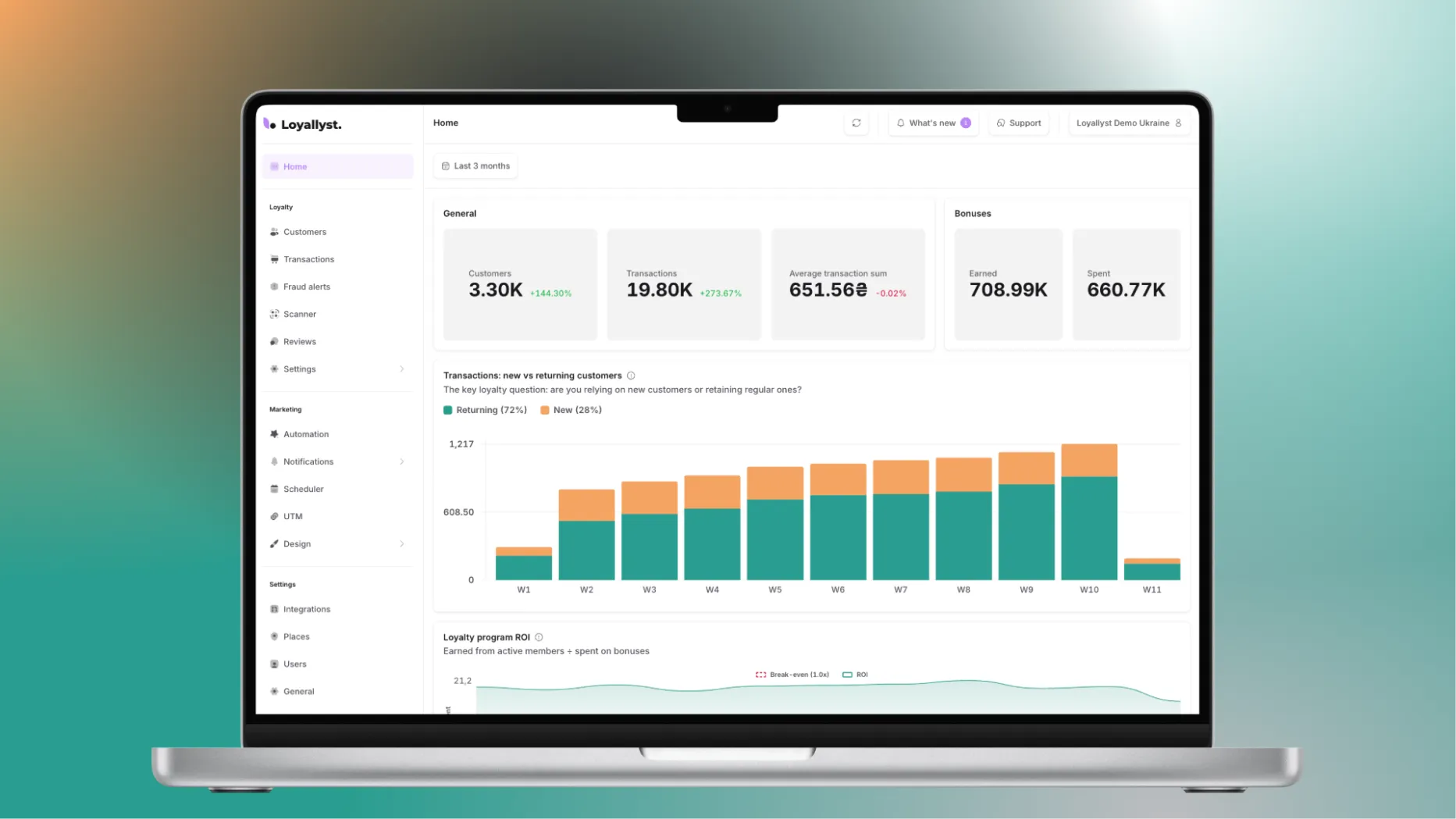
If you want to launch a welcome bonus and connect it to future purchases, set up a Loyallyst loyalty program. The platform brings together customer data, bonus mechanics, and communications; marketing automation and personalized greetings are available depending on the plan. When setting it up, agree on the earning condition, amount, redemption limits, expiry date, and message for new members. Before launch, walk through the process yourself: register, check the balance, and try using the points on a second order. After launch, track what share of recipients make a second purchase, how many points are redeemed, and how much profit those orders bring. For a more precise assessment, compare similar groups of new customers with and without the welcome offer. A good welcome bonus is easy to get, understand, and use. That is where trust in the program begins and where a reason to return takes shape.
Frequently asked questions
They are rewards for new loyalty program members who register or make a first purchase, usually in the form of points in a bonus account.
It depends on the goal. To encourage a second purchase, you can award points after the first order and make them usable on the next one.
Compare the reward with your average bill and margin. It should be noticeable to customers while keeping the order profitable after redemption.
Match the expiry period to the normal purchase cycle. Two weeks may suit a coffee shop but be too short for a shoe store.
Track second purchases, redeemed points, and profit from those orders. If possible, compare similar groups of new customers with and without the offer.