Personalized offers: how to use purchase data
After buying a coffee machine, a customer might need cleaning supplies or their favorite coffee beans. Their order history points you in the right direction. What remains is choosing a useful offer and the right moment to send it.
Personalized offers start with paying attention to what people actually buy and what they might need next.
What are personalized offers and how do they work?
Personalization in marketing means adapting the content, terms, and timing of a message to one customer or a group of customers with similar buying habits.
Personalized marketing can take into account a customer’s preferred category, order frequency, usual budget, and current circumstances. One customer might welcome a new-product alert, another might appreciate a useful add-on, and a third might have no need for a message right now.
The process is straightforward: study purchases, choose an audience, form a hypothesis, and measure the response. When a new order comes in, update the data and reassess the offer.
You can start with one promotion for shoppers who buy from a particular category.
Which purchase data should you use?
Start with details that help you make a decision:
- Order contents. Which products and categories the customer chooses and what they buy together.
- Recency and frequency. When they last bought something and how long they usually wait between purchases.
- Spending. The customer’s usual price range and whether their average order value is rising.
- Transaction context. Whether the order was completed and whether there were returns or a one-time discount.
- Response. Clicks and orders after a message, if the channel allows you to track them.
A single purchase does not establish a lasting interest. The product might have been a gift, or the customer might have chosen it because it was on sale. Repeated behavior is a more reliable signal, and preferences that customers share themselves can help fill in the picture.
How can different businesses use personalization?
These hypothetical scenarios can be adapted to your audience.
Cafés and restaurants: consider why customers usually visit. If a guest regularly orders lunch on weekdays, show them a new lunch offer. Send it around the time they tend to plan their order.
Electronics stores: offer something that complements an earlier purchase. A printer owner might be interested in compatible supplies. Purchase history helps you identify the right model and saves the customer from searching for it.
Clothing stores: focus on category and season. Customers who have repeatedly bought businesswear could be shown a relevant capsule collection. Use recent purchases as your guide.
Service businesses: make it easy to book a follow-up. A salon could invite a customer to book a service they already use, based on the usual time between visits. Check whether they already have an appointment.
In each case, the offer addresses an observable need. Decide on a discount later. Having the right item in stock, an easy way to book, or early access may be enough.
How do you personalize a campaign?
Define why you’re reaching out: what makes the offer relevant to this audience right now? Then decide which product to feature, what benefit to offer, and how long it will be available.
Put the benefit up front. For example: “Filters for your coffee machine are now in stock. Check availability and order: [link].” Check compatibility and make sure the link leads to the right product.
Before sending, refresh the audience. Exclude customers who have already made the relevant purchase, check active orders and contact preferences, and coordinate campaign frequency so one customer does not receive several offers in quick succession.
Personalization continues after the message is sent. The landing page should honor the promised terms, staff should understand the offer, and the customer should be able to redeem it easily.
How do personalized offers help increase sales?
Personalization can improve results in several ways.
Make a purchase more likely. A familiar category and good timing make it easier to go from opening the message to choosing a product. The customer can quickly see why the offer matters.
Increase order value. A useful add-on can go into the basket alongside the main product, such as compatible accessories for electronics. Check that the order still makes a profit after incentives.
Preserve revenue without an unnecessary discount. Someone waiting for a favorite product to come back may need only a stock alert. Save the reward budget for offers where an incentive can influence the decision.
To measure the effect, randomly select a control group from the same audience and hold back the new offer from that group. Compare purchases over the same period and account for campaign costs.
Example: 40 of 500 recipients made a purchase, compared with 25 of 500 people in the control group. Conversion was 8% and 5%, a difference of 3 percentage points. That gives you a reason to keep testing the hypothesis. One test alone cannot guarantee the same result in the future.
How do you get started with personalization in Loyallyst?
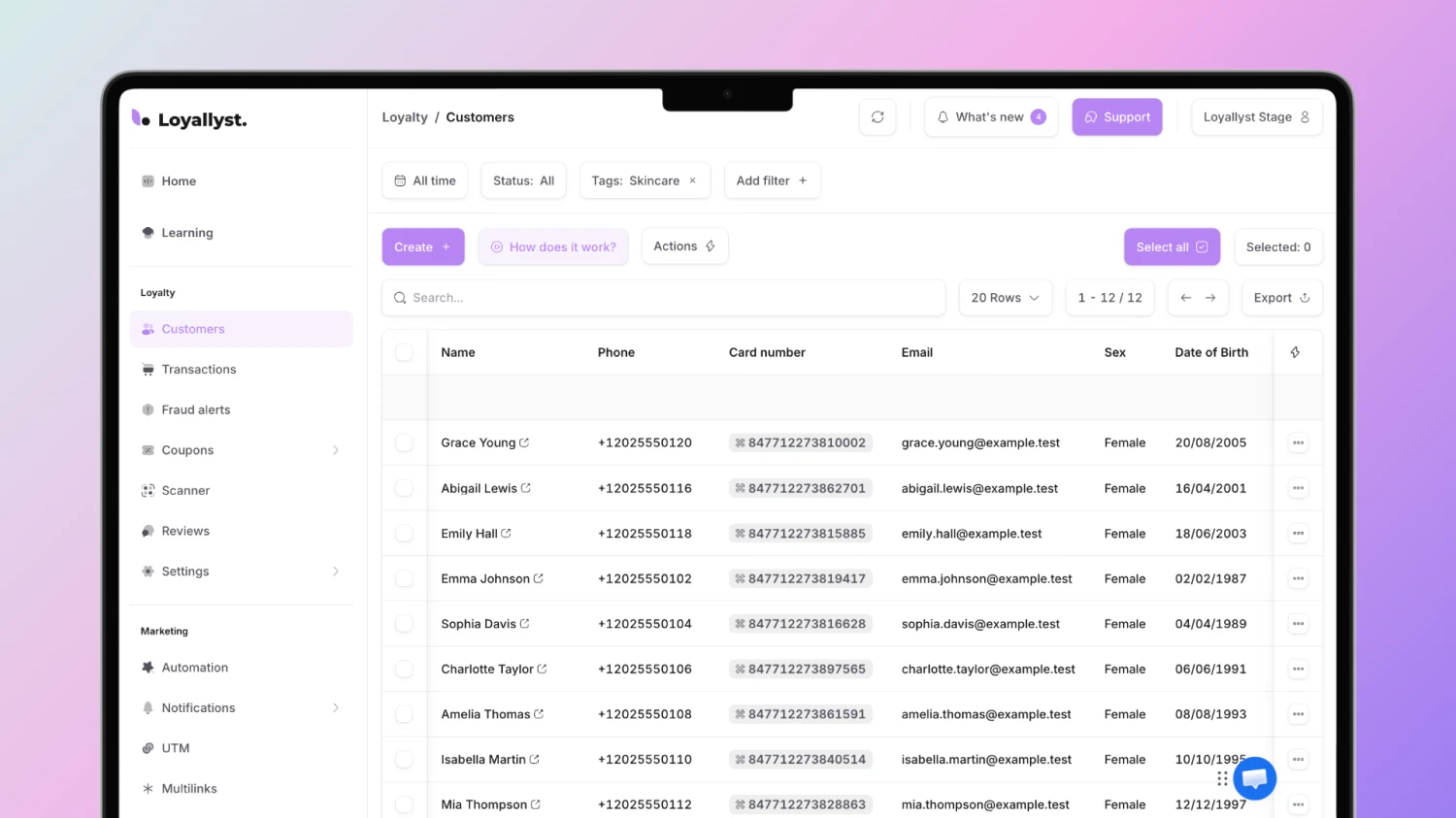
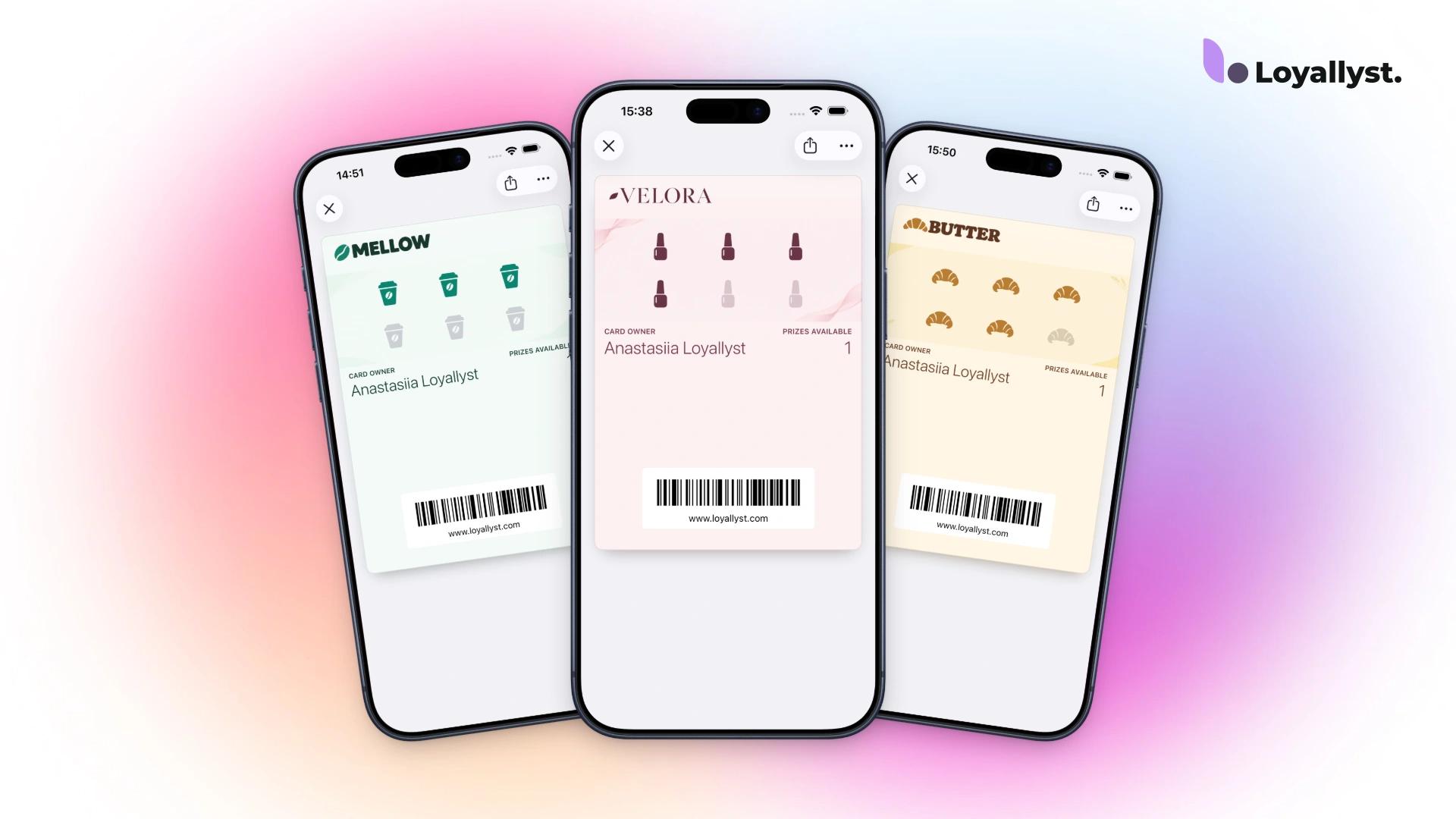
In Loyallyst, a loyalty program connects rewards to customer history. Segmentation helps you choose an audience, and automated workflows send messages when your conditions are met. At setup, confirm what purchase data your POS system or website passes along.
If you’re still deciding what benefits to offer different groups, read about what a loyalty program is. Points, tiers, and special terms each give you different ways to personalize an offer.
To get started with Loyallyst, request a loyalty program setup. Tell the team which purchases you want to use for your first workflow and they’ll help define the mechanics, integration, and communications for your goal.

Frequently asked questions
It means adapting the content, terms, and timing of an offer to one customer or a group with similar buying habits. For example, a customer who bought a coffee machine could be offered compatible filters.
Start with completed orders, the categories customers buy from, and the date of their last purchase. Repeated purchases and preferences shared by the customer can help you refine the audience.
That depends on what the customer needs. A back-in-stock alert, early access, or an easy way to book can be valuable on its own.
Refresh the audience and check product availability, compatibility, the terms, and the link. Account for active orders, contact preferences, and how often customers receive other campaigns.
Randomly select a control group from the same audience and withhold the new offer from that group. Compare purchases over the same period and account for campaign costs.