Customer database: how to collect contacts and turn them into repeat sales
After a purchase, a business has a receipt. But it does not always have a way to contact the customer again. Someone may have been happy with the product and service, yet forgotten the store’s name or chosen the first option they found in a search next time.
To reach out again, you need a contact, purchase history, and a useful offer. A list of phone numbers alone does not generate sales.
What is a customer database, and what does it help you do?
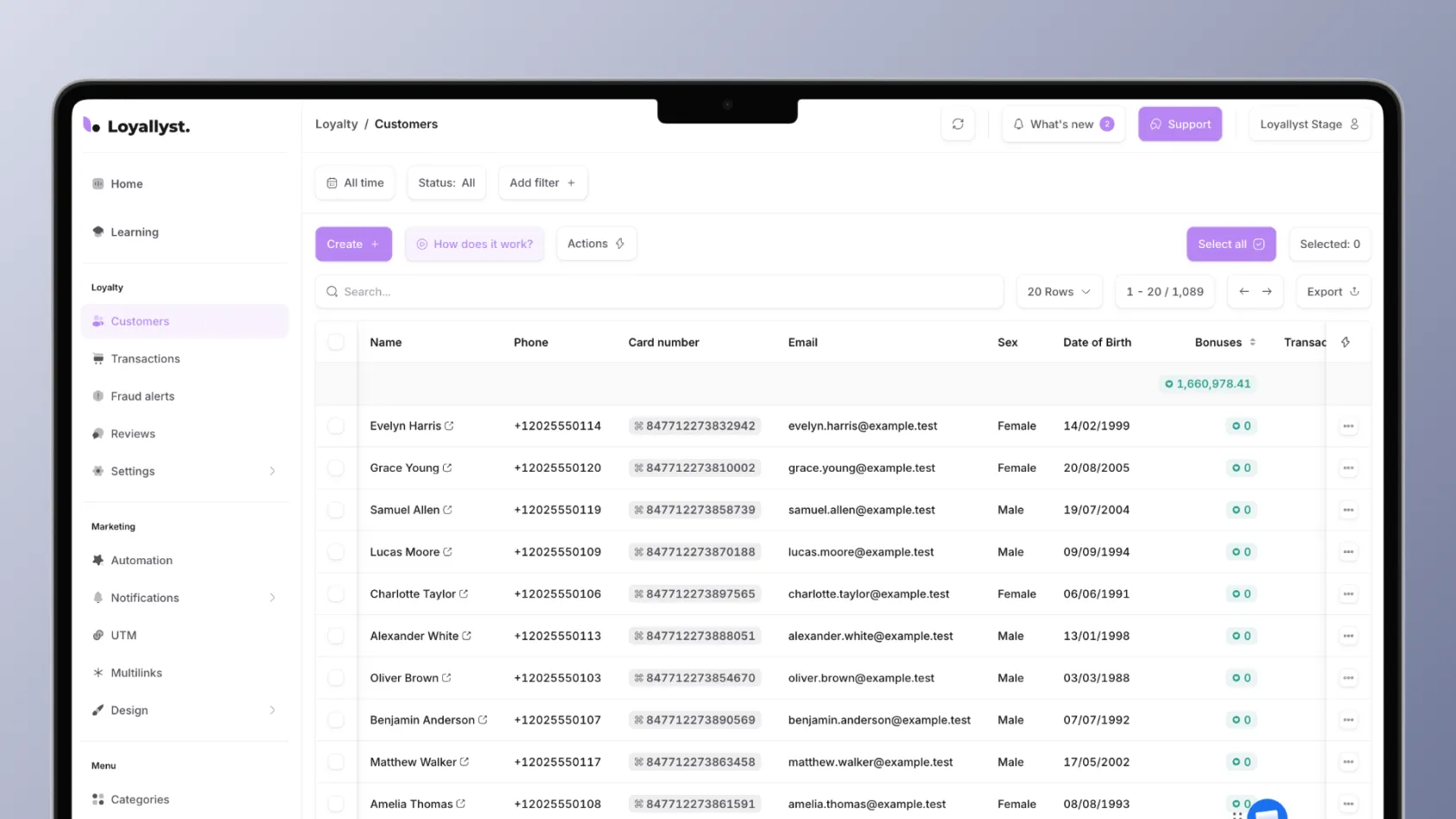
A customer database is organized information about buyers and your interactions with them. Alongside contact details, it may hold purchases, inquiries, preferences, participation in promotions, and available communication channels.
It helps a business with several tasks:
- recognize regular customers when they return;
- suggest products based on previous orders;
- notice changes in purchase frequency;
- assess which sources bring in customers who come back;
- preserve service history when employees change.
What belongs in the database depends on your work. Delivery requires the address for a particular order, birthday greetings require a date of birth, and interest-based offers require purchase information. You do not have to collect everything at once.
How to create a customer database: start with the structure
For a small database, you can start with a spreadsheet. When you need purchase updates, segmentation, and messaging, choose a CRM with suitable integrations.
Decide how to identify a customer: by ID, phone number, or card number. New orders should be added to their existing record.
To get started, a name, contact details, registration source, and purchase information are usually enough. Record the customer’s chosen communication channels separately.
Make data collection transparent: explain why you ask for information and what messages you plan to send. Provide a separate choice for promotional communications and an easy way to opt out.
How to collect customer contacts through familiar touchpoints
Asking someone to “leave your number” tells them very little. Show the benefit: they will be able to see their points, use member benefits, or hear when the products they want are back in stock.
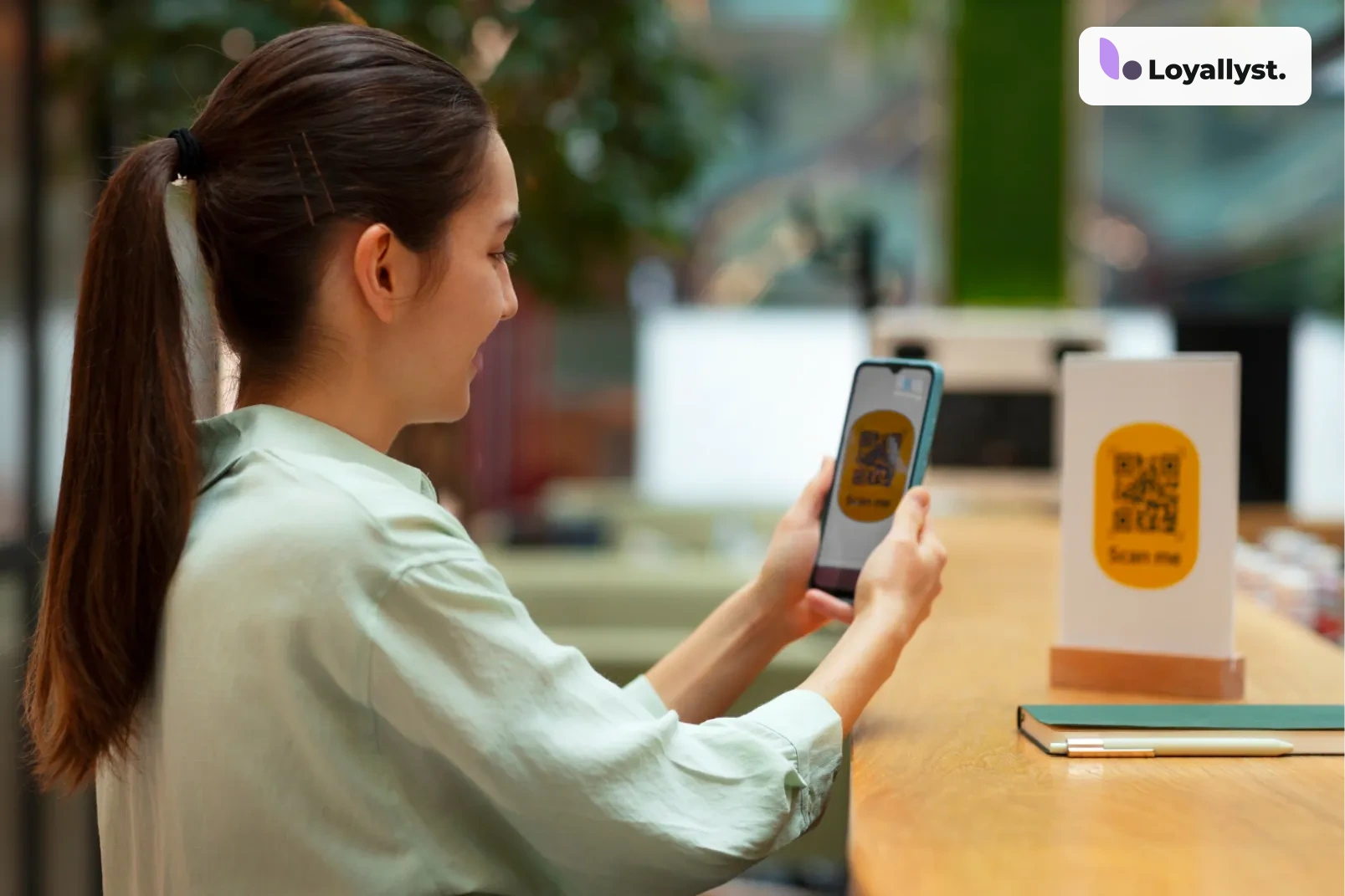
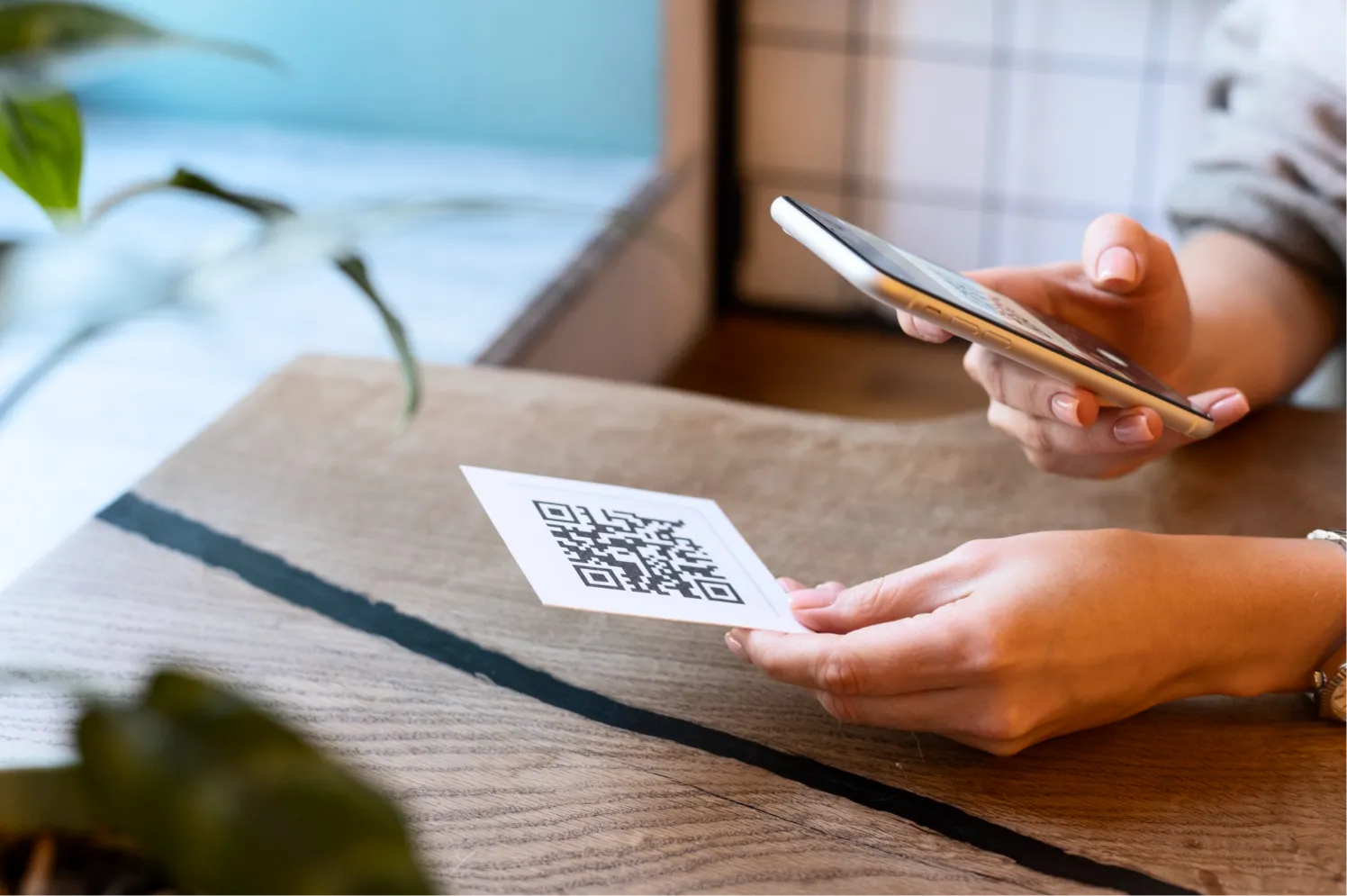
At the checkout or in a waiting area. Display a QR code with a short explanation of the offer. An employee can invite the customer to register while the purchase is being processed. A long form at that moment will only hold up the queue.
On your website. Offer registration during checkout or in the customer account. If the system supports it, avoid asking people to enter information they have already provided again, with their consent to its use.
On social media. Add a link to join the program next to a description of its benefits. Followers can decide for themselves whether they want a card and further communication.
Through referrals. Invite members to recommend the program to friends. The new customer should register independently, so you receive the contact of someone interested in your offer.
Maintaining a customer database: what needs to stay in order?
The main challenge begins after collecting contacts. One person registers twice, another changes their phone number, and a third asks you to stop messaging them. Without regular updates, the database quickly loses accuracy.
Set simple rules:
- look for an existing record before creating a new one;
- check duplicates before merging them, so you do not mix different people’s histories;
- correct inaccurate and outdated contacts;
- exclude customers who have opted out from the relevant mailing lists;
- appoint someone responsible for record quality and data-related requests.
Check that checkout transactions are linked to the right customer: offers and reports depend on it. Assign database access according to employees’ tasks.
How to grow a customer database without chasing phone numbers
Review the registration journey in your existing channels. A QR code may be hard to notice, a link may lead to an awkward form, or an employee may forget to explain the benefits. Fixing small issues like these can sometimes be more useful than a new promotion.
Add invitations where people have already interacted with your brand: on packaging, on the page after an order, or in event materials. Explain how registration will benefit that particular customer.
Buying someone else’s lists cannot replace this process. They will not tell you what a person bought from you or why they might return.
How to turn records into repeat purchases
Working with a customer database starts with choosing an audience and a reason to send a message.
For example, a pet store can identify buyers who order the same product roughly once a month. As their usual purchase date approaches, it can let them know the item is available or offer a convenient delivery option. That provides practical help with a familiar purchase.
This scenario requires an up-to-date history. If the purchase has already happened, the offer should be reconsidered.
A loyalty program provides another reason to return: customers can see their accumulated rewards and understand how to use them. The article “What is a loyalty program?” explains how to choose a suitable incentive.
Track the share of new members who make another purchase within a chosen period. Compare registration sources using this measure to assess the quality of the audience they attract.
How to organize customer data collection with Loyallyst
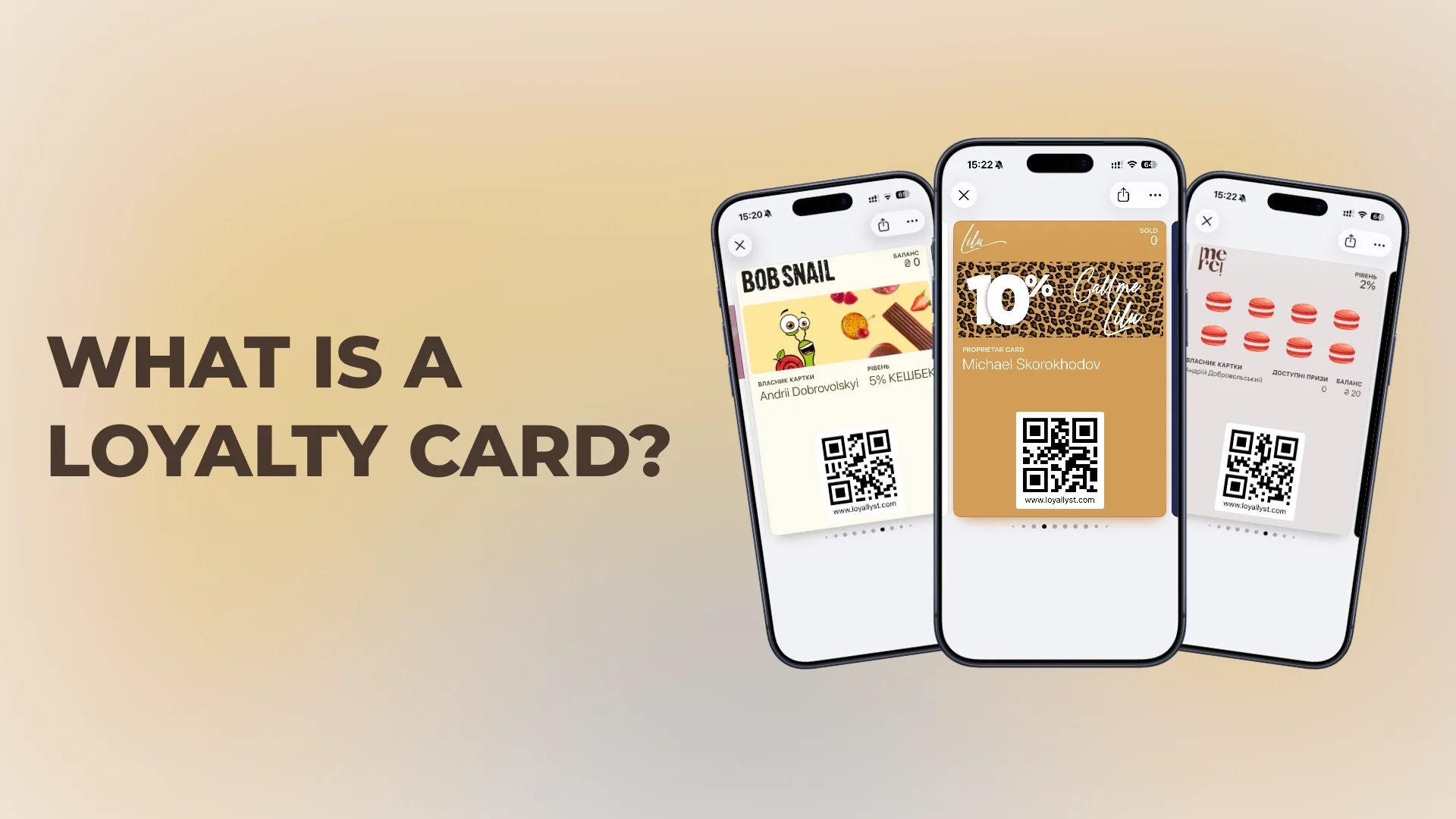
With Loyallyst, customers can register via a QR code and get a digital card in Apple/Google Wallet. Connecting the checkout helps link program membership to purchases, while the CRM lets you use the history for segmentation and communication. The possibility of migrating an existing database is agreed based on its contents and format.
Set up a Loyallyst loyalty program to bring registration, rewards, and ongoing customer communication together. Start where your customers already place orders: it is easier to explain the card’s benefits there and keep a contact for the next interaction.


Frequently asked questions
It is organized information about buyers and your interactions with them, including contacts, purchases, inquiries, preferences, and available communication channels.
A name, contact details, registration source, and purchase history are usually enough to start. Record the customer’s chosen communication channels separately.
Invite customers to register through a QR code at checkout, your website, social media, and referrals. Explain the benefits, and let new customers register themselves.
Look for existing records before creating new ones, check duplicates, update contacts, and exclude people who have opted out from the relevant mailing lists.
Purchase history helps you choose an audience, a relevant offer, and the right time to reach out. A loyalty program adds a reason to return, while subsequent purchases help you assess results.