Loyalty program gamification: mechanics that increase engagement
“Just one more purchase until your gift” is easier to picture than an abstract benefit of club membership. Customers see a goal and understand how to reach it. Coming back becomes more interesting, especially when the reward is something they actually want.
That is the basis of loyalty program gamification. But badges and an attractive progress bar are not enough: they need clear actions and fair terms behind them.
What is customer gamification?
Gamification means using game elements in everyday interactions with a business. A buyer collects stamps, completes a task, unlocks a new tier, or earns a reward for reaching a goal.
The loyalty program remains the foundation, while the game elements make participation more visible. For example, people see not just their total spending, but their progress toward the next status.
A working mechanic answers three questions: what do I need to do, how much is left, and what happens at the end? If customers have to ask an administrator for the answers, it is easy to lose interest.
Which game mechanics suit different industries?
Choose an action that comes naturally to your customers. A daily coffee purchase and a seasonal wardrobe update call for different rhythms. Here are some ideas you can adapt to your business.
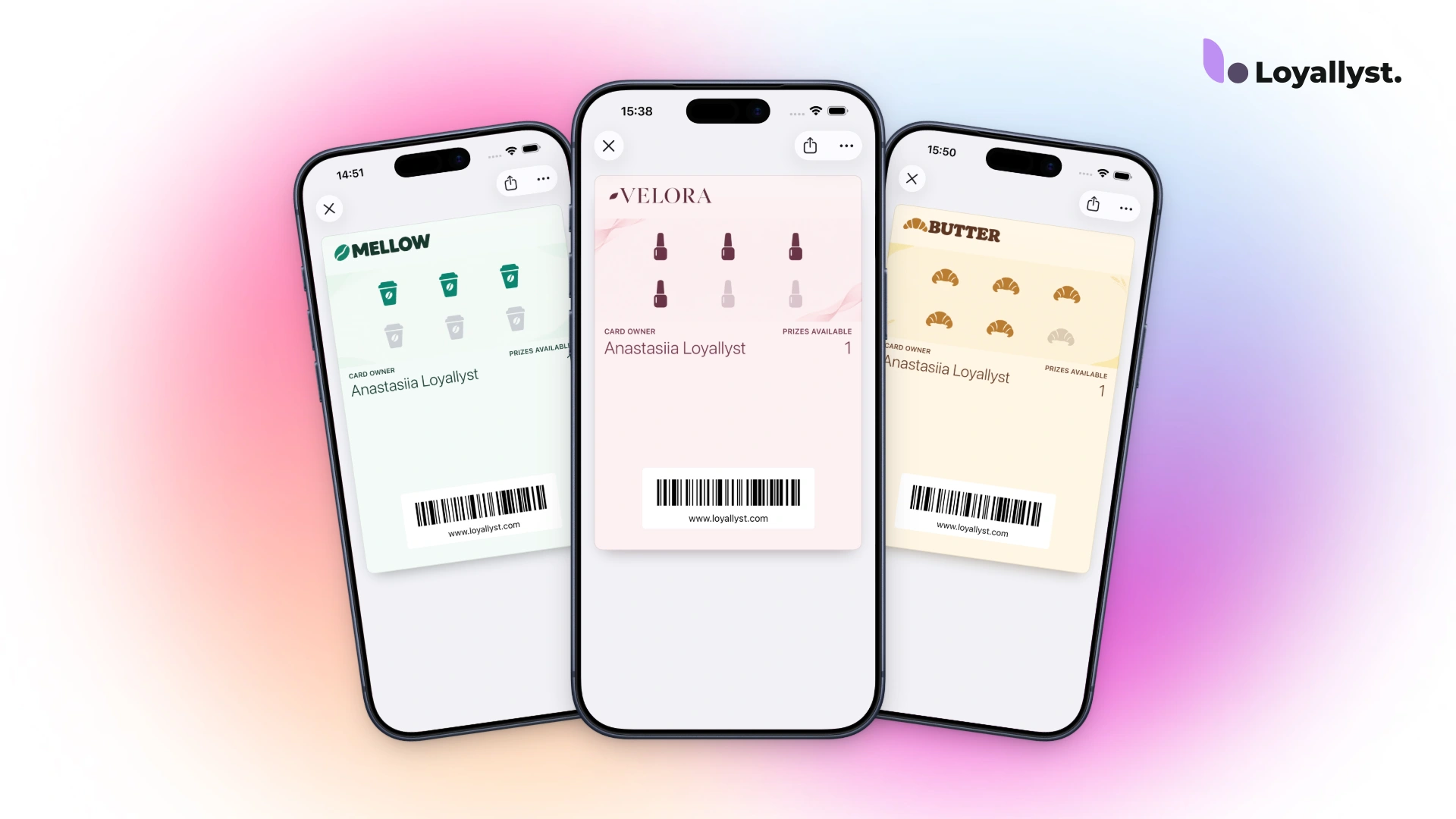
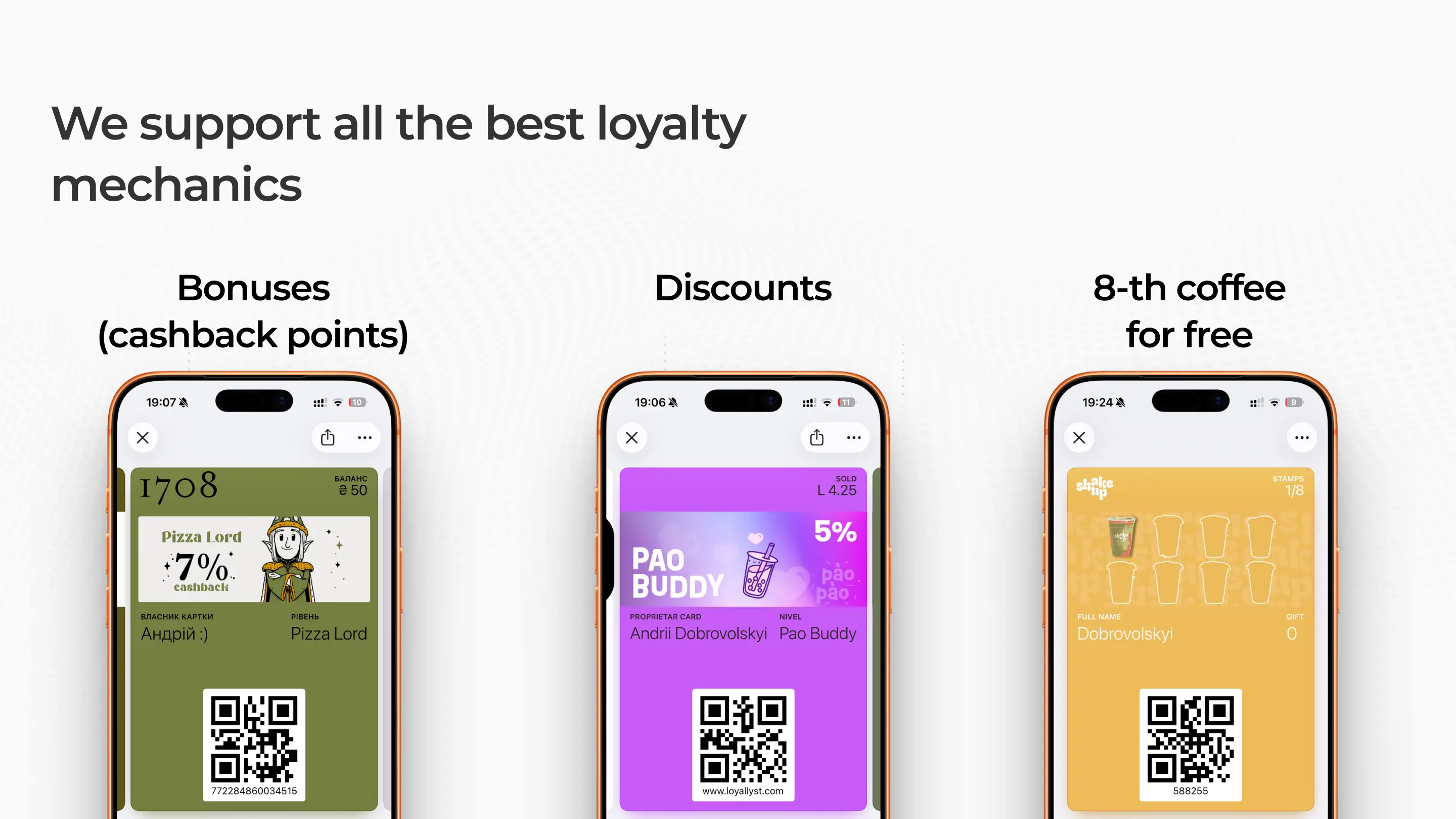
Coffee shops, bakeries, car washes: collecting stamps. Loyalty card stamps suit recurring purchases or services. Each eligible action brings customers closer to a gift, and progress is easy to check.
A “Every tenth one is free” program should explain the arithmetic directly: nine paid purchases, then the tenth is free. Decide in advance which products qualify and exactly what gift the customer will receive. Otherwise, they may reach the finish only to discover that their favorite drink is not included.
Clothing, cosmetics, and hobby stores: tiers. You can reward accumulated spending or regular orders. A new status unlocks a useful privilege: a higher points rate, early access to a collection, or special service terms.
The threshold must be achievable for your audience. If the next tier requires several years of normal purchases, a progress bar is unlikely to increase engagement.
Fitness, education, and other recurring services: tasks. Customer challenges work best when linked to a goal people have already chosen. For example, a language school could offer an extra conversation club session for completing a learning module.
You do not have to reward spending alone. Attending a class or exploring a service’s features can also count as a step, provided you can track the action and have explained the rules in advance.
How do international companies use these mechanics?
Costa Club: a clear goal and faster progress
At the UK’s Costa Coffee, members receive a digital “bean” for an eligible drink purchase. After collecting ten beans, they get a free drink. Using a reusable cup earns an extra bean, helping them reach the reward sooner.
For a business, this shows how to combine two goals: encourage return visits and support a desired habit. Customers do not have to understand a complicated calculation system.
Starbucks Rewards: moving between tiers
The US Starbucks Rewards program, updated in March 2026, introduced Green, Gold, and Reserve tiers. Members collect Stars and track their progress in the app. Higher tiers provide additional benefits, including faster Stars accumulation.
The principle to take from this is to show the nearest achievable goal and explain the value of the next status. The name Gold alone is not enough.
LEGO Insiders: engagement between purchases
Denmark’s LEGO awards Insiders members points for purchases and certain activities, including quizzes and surveys. These can be exchanged for discounts, exclusive items, and digital rewards.
This approach is a useful reference for businesses with infrequent orders: you can create a reason to interact with the brand between purchases. The tasks must still interest the audience itself.

How do you introduce a mechanic and measure its effectiveness?
Start with one goal. Do you want a second order, more frequent visits, or to introduce customers to another category? Each task needs its own conditions.
Then check a few things:
- Reward value. Will customers want to participate for it? A gift nobody wants will not become more attractive through animation.
- Cost to the business. Account for the cost of the reward and how it combines with existing discounts.
- Clear rules. Members should see their progress, restrictions, and the conditions for receiving the gift.
- Accurate tracking. Check what happens to stamps or tiers when a purchase is canceled or returned.
- Results. Look at completed tasks, repeat purchases, and profit after rewards. The number of badges awarded alone tells you little.
If you have not defined the basic rules yet, first explore what a loyalty program is and what benefit it offers your customers. Then add game elements.
Run a limited pilot to test the idea. Where possible, compare its results with a similar group without the new mechanic: this makes it easier to separate its effect from seasonal demand or a sale.
How do you launch gamification with Loyallyst?
With Loyallyst, you can set up a stamp-based or tiered program, create a digital card in Apple/Google Wallet, and keep in touch through push notifications. The customer database and purchase history help you assess participation and return visits.
To launch, set up the Loyallyst loyalty program and discuss the mechanic you have chosen: which action counts, how progress is displayed, and what earns a reward. Agree on whether nonstandard tasks can be tracked before you start.


Frequently asked questions
It means using game elements in interactions with a business: stamps, tasks, tiers, and rewards for reaching a goal. Customers should understand what they need to do, how much is left, and what they will receive at the end.
Stamps suit recurring purchases and services, while tiers suit accumulated spending or regular orders. Link tasks to customers’ own goals and choose only actions your business can track.
State how many paid purchases are required and exactly what gift the customer will receive. For example, “every tenth one is free” means nine paid purchases and a free tenth one. Define eligible products and restrictions in advance.
Assess completed tasks, repeat purchases, and profit after reward costs. Start with a limited pilot and, where possible, compare it with a similar group without the new mechanic. The number of badges awarded alone does not show the result.
Choose a stamp-based or tiered program, design a digital card in Apple/Google Wallet, and discuss the rules: which action counts, how progress appears, and what earns a reward. Agree on whether nonstandard tasks can be tracked before you start.