How Does a Cashback Program Work?
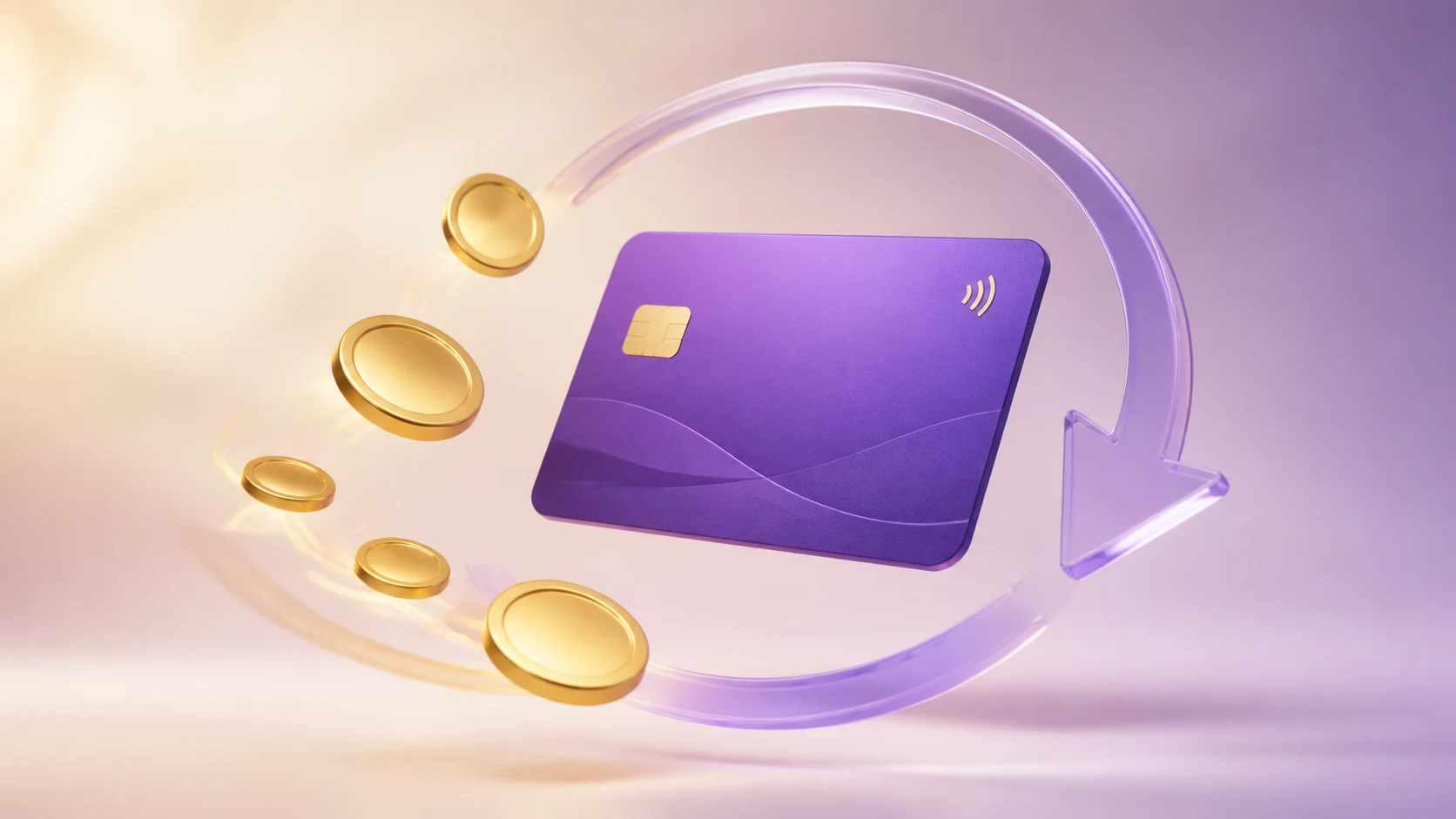
A customer pays $80 for an order and, a few seconds later, sees another $4 on their digital card. This is not a refund to their bank account. The amount remains within the loyalty program and can be spent on the next purchase. This is the simplest way to explain what cashback in a loyalty program is. The customer gets part of their spending back, usually as bonuses. The business determines the reward amount: it can be a standard 5% on every receipt, an increased reward on selected products, or special terms for regular customers. The entire technical process runs without the cashier’s involvement. The system receives the payment information, calculates the bonuses, and immediately updates the card balance.
That is why this mechanic is used not only by large chains. A bonus program with cashback suits a coffee shop, car wash, clothing store, beauty salon, or virtually any business where customers can return.
Where Are the Benefits and Risks of a Cashback Program?
Cashback will not fix poor service or make someone buy something they do not need. However, it works well as an extra reason to return. The customer remembers that bonuses are already waiting on their card, which means their next purchase will cost a little less. But the percentage should not be chosen at random. Giving back 15–20% just for an attractive advertisement is questionable, especially with a low margin. Often, 3–7% is quite enough if the terms are clear and the bonuses are easy to use.
| What cashback can provide | What needs to be considered |
|---|---|
| More repeat purchases | A percentage that accounts for margin |
| Higher average order value | Limits on bonus redemption |
| Re-engagement of inactive customers | Bonus expiration period |
| Personalized promotions | Automated transaction tracking |
When Is Cashback Really Needed?
The idea of launching such a program usually does not appear without a reason. A business sees that new customers are arriving, but only a few place a second order. Or advertising becomes more expensive while revenue barely changes. It makes sense to consider cashback when:
- the share of repeat sales is falling;
- customers have started returning less often;
- Retention Rate has been declining for several months;
- RFM analysis shows growth in the inactive segment of the customer base;
- acquiring new customers is becoming increasingly expensive.

What Problems Can Cashback Solve?
The first and most obvious is bringing a customer back after their first purchase. They already have bonuses, and leaving them unused usually feels wasteful. The second task is increasing the average order value. For example, when an order reaches $100, the standard cashback rate can rise from 5% to 8%. The customer sees that they are only a little short of the threshold and will often add one more item. Cashback is also useful for working with a “sleeping” customer base. If a customer has not bought anything for three months, the system can award them an increased bonus for their next order and send a short push notification. This is not a mass sale for everyone, but a specific offer for a specific group. There is also analytics. When rewards are processed through a loyalty program, the business retains a purchase history: who returns, how often, how much each customer spends, and whether they use their bonuses at all. Without this data, evaluating the result is quite difficult.
How Do You Set Up Cashback?
There is no need to develop a separate app. A modern cashback program can already be part of a loyalty platform along with digital cards, push notifications, and analytics. First, the business sets the rules: the reward percentage, bonus expiration period, maximum redemption share, and product exclusions. After integration with a POS system or CRM, the calculations run automatically.
There is no single narrow answer to the question of which businesses can use cashback. The mechanic suits companies with repeat purchases: stores, restaurants, coffee shops, salons, car washes, fitness clubs, and service businesses.
Why Is the Reward Mechanic Alone Not Enough?
A business can simply return a few percent to customers after payment. It will work, but only to a limited extent.
Within a loyalty program cashback becomes part of a broader system. The business can see Retention Rate, repeat purchases, RFM segments, and how customers respond to offers. One group can receive a higher reward, another can be reminded about its balance, and a third may not need any message for now.
In this format, a discount and cashback program no longer looks like just another promotion. It helps retain customers, test marketing hypotheses, and bring customers back without continually increasing advertising costs.

Frequently Asked Questions
Cashback returns part of the amount spent as bonuses that the customer can use on their next purchase.
The system receives payment data, automatically calculates the bonuses, and updates the digital card balance without the cashier’s involvement.
The percentage depends on the business’s margin and redemption rules. In many cases, 3–7% is enough when the terms are clear and the bonuses are easy to use.
Cashback suits businesses with repeat purchases, including stores, restaurants, coffee shops, beauty salons, car washes, fitness clubs, and service companies.
No. Cashback can be part of a loyalty platform together with digital cards, push notifications, and analytics.