How to Increase Average Order Value and Earn More Without Sharply Raising Prices?
Many businesses eventually hit a “ceiling.” There are customers, the flow is stable, advertising works, but revenue grows too slowly. And then a completely logical question appears: how can you increase average order value without aggressive sales and constant discounts?
In reality, average order value often grows not because of higher prices. Customer habits, bonuses, personalized offers, and the way you build the purchasing process inside your business have a much stronger impact. This is especially clear in loyalty programs.

What Is Average Order Value?
In short, it is the average amount of one purchase. This metric helps you understand:
- how much money a customer brings in on average;
- whether the value of an order is growing;
- how well upsells and promotions are working.
How to Calculate Average Order Value?
Average order value formula:
Average order value = Total revenue / Number of purchases
Example
A store earned $12,000 in one month. The number of purchases was 1,500.
We get:
12000 / 1500 = 8
The average order value is $8. This is the basic way to calculate average order value in almost any business.
Average Order Value: How to Calculate It Correctly?
Looking only at the overall number is not enough. It is better to also analyze:
| What to compare | Why it matters |
|---|---|
| Average order value by day | to understand sales peaks |
| By product categories | to find weak positions |
| By repeat customers | to evaluate loyalty |
| By promotions | to understand effectiveness |
This makes it easier to understand how to influence average order value without making chaotic decisions.

Why Is Average Order Value Not Growing?
The problem often looks like this:
- customers buy only basic products;
- people do not return for repeat purchases;
- promotions reduce profit instead of increasing it;
- staff do not offer additional items.
How to Increase Average Order Value Without Pressuring the Customer
There are several methods that work especially well.
1. Bonuses Based on Purchase Amount
This is one of the strongest mechanics. For example: “Get double bonus points on orders over $25.”
The customer naturally starts adding more items to reach the needed amount.
2. Personalized Offers
This works noticeably better than mass promotions.
If a person buys a certain category of products, the system can suggest something related specifically to their interests.
3. Sets and Combos
It is easier for people to buy a ready-made solution than to put everything together separately.
That is why combos work so well:
- in cafés;
- stores;
- salons;
- food delivery.
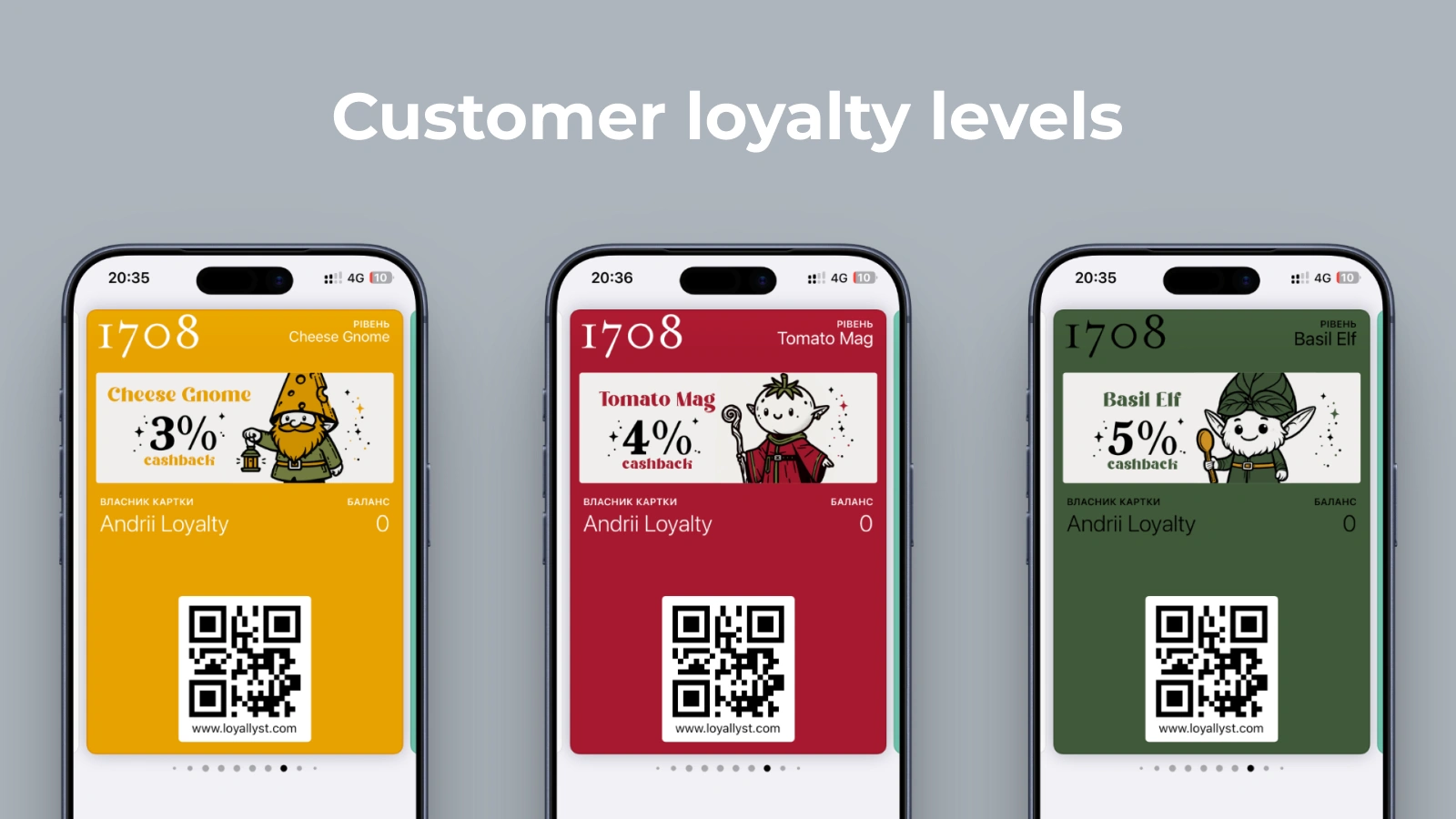
4. Loyalty Tiers
This works especially well for businesses with repeat customers. A person starts to understand: the more I buy, the more benefits I get. And gradually, they increase the value of their orders.
Example: Car Wash
A car wash divided customers into tiers:
- Silver;
- Gold;
- Platinum.
- more bonuses;
- priority booking;
- free services.
How to Find Out Average Order Value and Track Changes?
It is best to regularly monitor the dynamics. At least once a week or once a month. It is also useful to compare:
| Period | What you can understand |
|---|---|
| Before / after promotion | whether the mechanic works |
| New / repeat customers | who brings in more revenue |
| Product categories | what influences growth |
How Does a Loyalty Program Help Increase Average Order Value?
In practice, it solves several tasks at once:
- encourages repeat purchases;
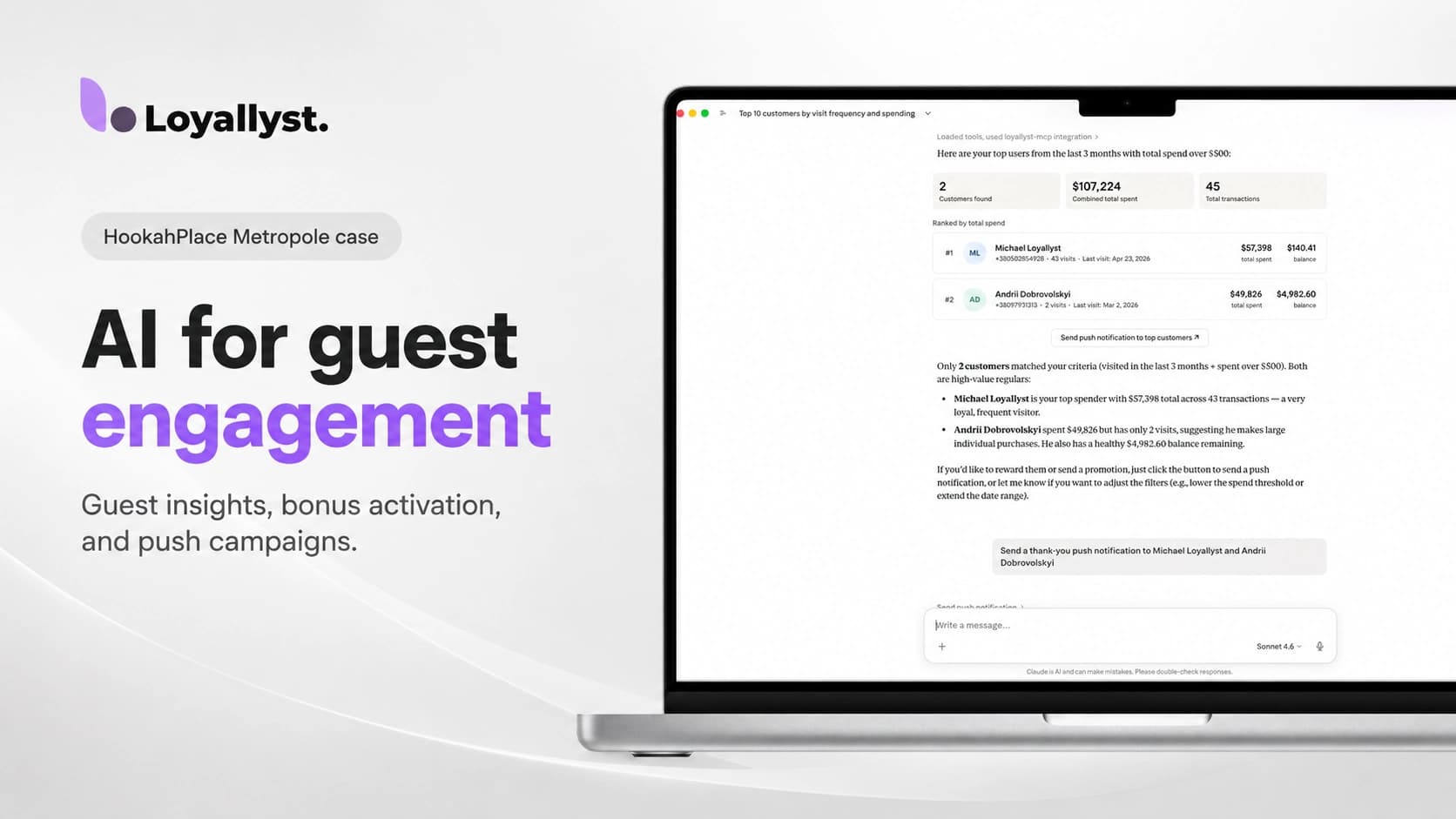
- helps launch personalized offers;
- motivates customers to add more items;
- brings customers back with bonuses;
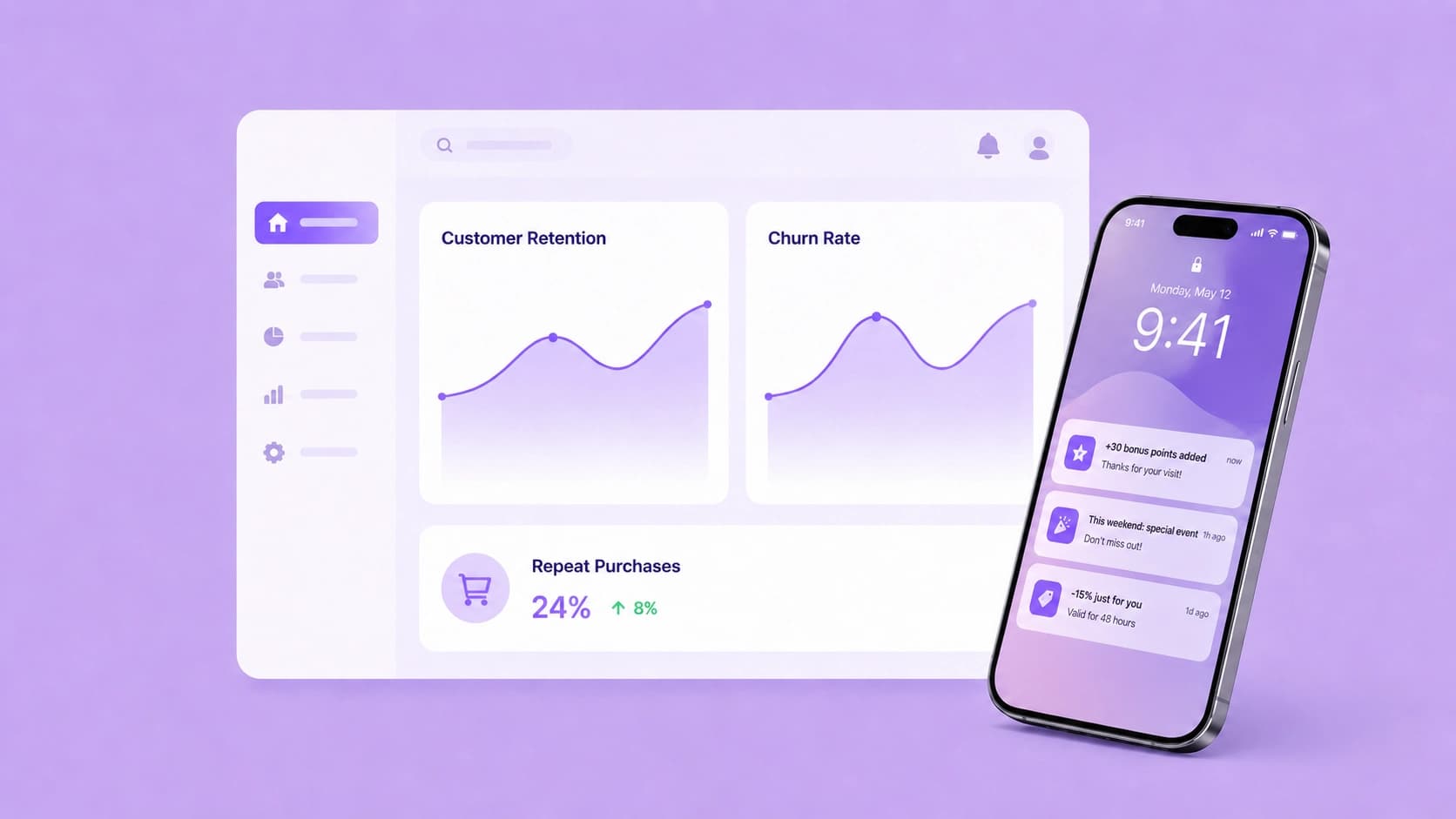
- shows purchase analytics.
That is why many companies use a loyalty program not only for retention, but also as a tool for revenue growth.
Summary
Honestly, the question of “how to increase average order value” is rarely solved with a single discount.
What works much better:
- bonus mechanics;
- personalized offers;
- loyalty tiers;
- well-structured product sets.

Frequently Asked Questions
Average order value is the average amount of one purchase. It shows how much money one customer brings in on average per order.
To calculate average order value, divide total revenue by the number of purchases. The formula is simple: average order value = total revenue / number of purchases.
Average order value may not grow if customers buy only basic products, do not return, discounts reduce profit, or staff do not offer additional items.
You can increase average order value with purchase-based bonuses, personal offers, combo sets, upsells, and loyalty tiers.
A loyalty program motivates customers to return, collect bonuses, buy more to reach a new tier, and receive personal offers. This helps increase average order value without aggressive sales.