How Do Bonus Programs Work?
Almost everyone uses bonus programs, although few people stop to think about how they actually work. Some businesses award points for purchases, others return part of the amount as bonuses, and some offer additional privileges to loyal customers. From a business perspective, this is no longer just a way to offer a discount. Such a system helps retain customers, gradually increase the average order value, and better understand their habits. When everything is set up correctly, the customer receives a benefit, while the company gains more repeat sales.
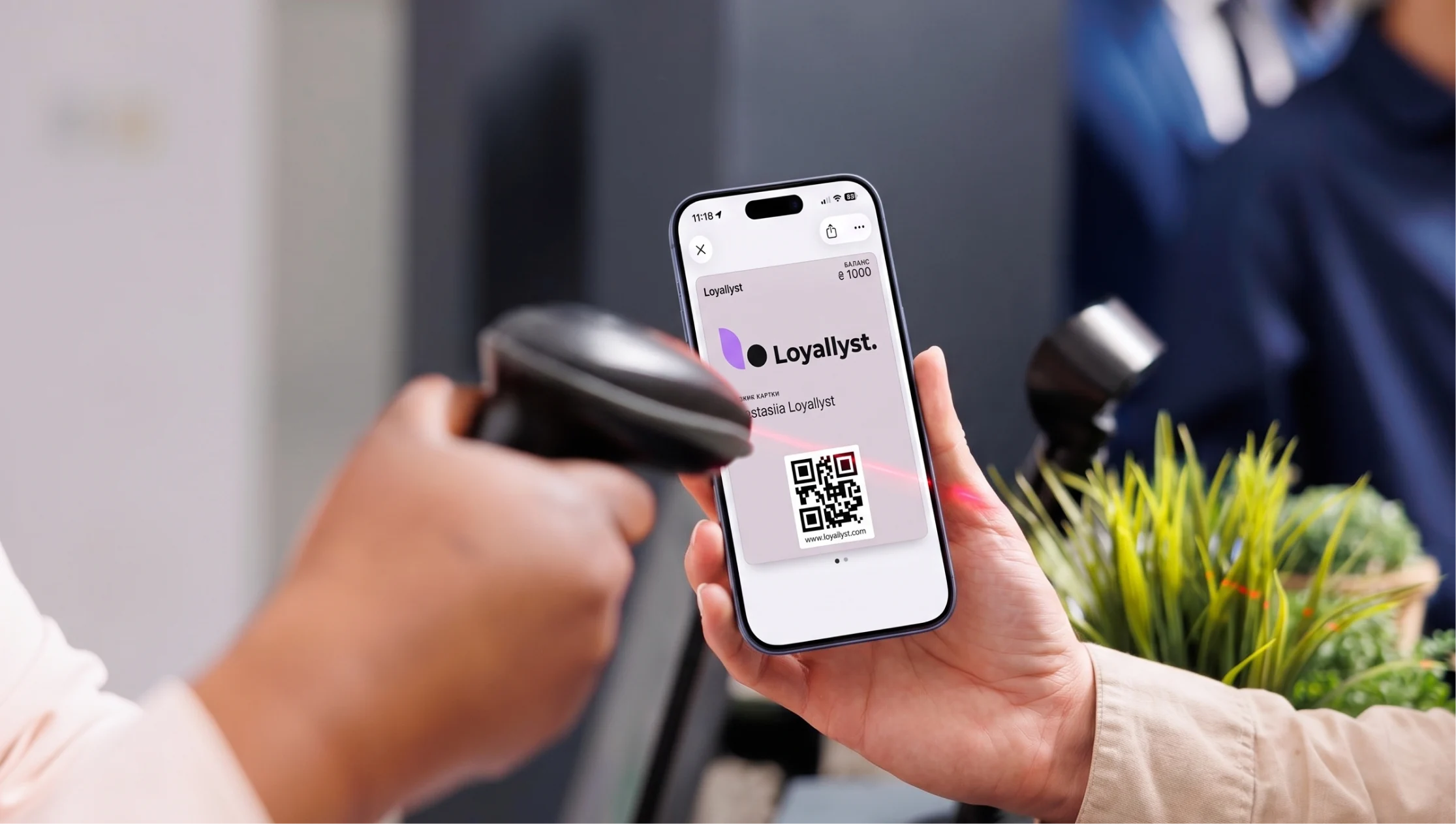
How a Bonus Program Works
The basic idea is quite simple. After a purchase, the customer receives bonuses. Later, they can use them fully or partially toward their next order. At the same time, a modern bonus loyalty program usually includes many more features:
- bonus accumulation;
- personalized offers;
- different reward rules;
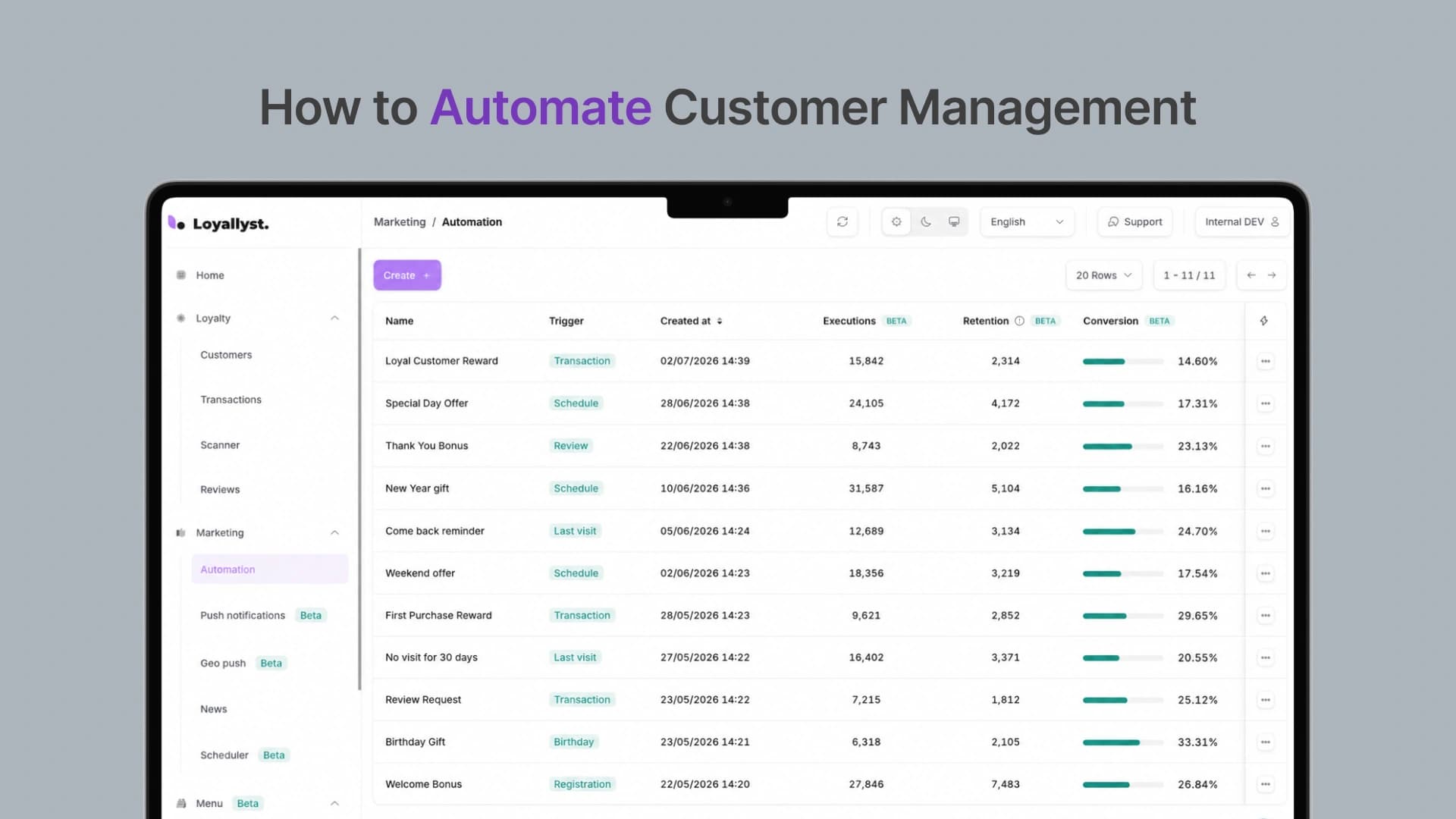
- automated push notifications;
- membership tiers.
That is why many companies today view bonuses as part of a complete loyalty program.
What Types of Bonus Programs Are There?
Although many different mechanics exist, in practice, several main options are used most often.
| Types of bonus programs | Features |
|---|---|
| Fixed percentage | the same reward rate after every purchase |
| Cumulative | the more purchases, the more bonuses |
| Tiered | the reward amount depends on the customer’s status |
| Promotional | increased bonuses on selected products |
Where Do Bonus Programs Work Best?
In fact, in almost any industry. For example:
- a bonus program for a store helps increase the number of repeat purchases;
- restaurant bonus programs encourage guests to return more often;
- a pharmacy bonus program helps retain regular customers;
- a coffee shop bonus program turns daily purchases into a habit;
- a hotel bonus program encourages guests to choose the same chain for future trips;
- an airline bonus program allows customers to collect miles and receive additional privileges.

Case Study: Vape Shop
The store owner noticed that most customers purchased e-liquids approximately once every three weeks.
They then decided to change the mechanics of the loyalty program for the vape shop. Instead of offering a small discount, they began awarding bonuses after every order. In addition, if the purchase amount exceeded $35, the customer received extra bonus points. After two months:
| Metric | Before | After |
|---|---|---|
| Repeat purchases | 38% | 55% |
| Average order value | — | +17% |
Case Study: Jewelry Store
Jewelry is not something people buy every week. That is why the store focused on building long-term relationships with customers. After a purchase, the customer received bonuses that could be used within one year. Before holidays, the system automatically sent push notifications reminding customers about their accumulated points. As a result, around a quarter of customers made a repeat purchase earlier than they usually would.
Why Do Tiers Work Better Than Standard Bonuses?
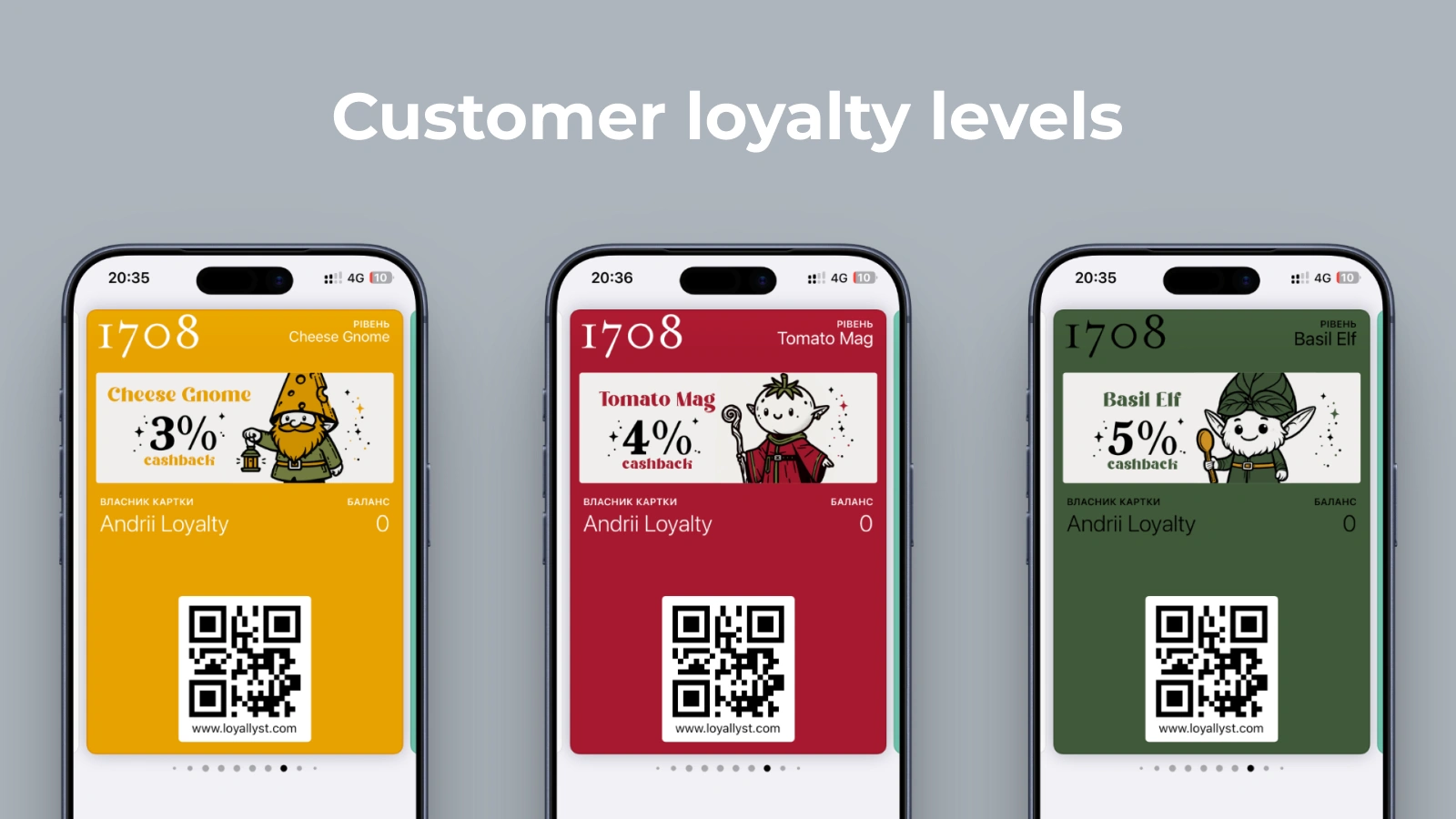
The same rules do not suit everyone. That is why many companies add tiers to their bonus programs. For example:
- Silver — 3% in bonuses;
- Gold — 5%;
- Platinum — 7% in bonuses and additional privileges.
Why Is a Digital Card More Convenient Than a Plastic One?
Today, more and more companies use digital cards instead of traditional plastic ones. A loyalty program bonus card is stored in Apple Wallet or Google Wallet, so customers do not need to carry it with them. In addition, such a card makes it possible to:
- update the balance automatically;
- send push notifications;
- display personalized offers;
- award bonuses without employee involvement.
What Does a Bonus Program Offer a Business?
| For the customer | For the company |
|---|---|
| Savings on future purchases | Growth in repeat sales |
| Bonus accumulation | Increase in average order value |
| Personalized offers | More customer data |
| Convenient digital card | Ability to launch automated promotions |
Conclusion
In the past, bonuses were perceived almost like a regular discount, only delayed. Today, they offer far more possibilities. For example, a loyalty program can automatically award bonuses after a purchase, send a push notification with a personalized offer, or remind the customer that their accumulated bonuses are about to expire. Individual mechanics gradually form a complete system for working with regular customers. That is why bonus programs can now be found almost everywhere: in coffee shops, clothing stores, jewelry stores, pharmacies, restaurants, and hotels.

Frequently Asked Questions
After making a purchase, customers receive bonus points that they can use in full or in part toward their next order. The program may also include personalized offers, membership tiers, and automated push notifications.
The most common options are programs with a fixed reward rate, cumulative programs, tiered programs, and promotional programs with increased bonuses on selected products.
Bonus programs are suitable for almost any industry, including retail stores, restaurants, coffee shops, pharmacies, hotels, jewelry stores, airlines, and other businesses interested in increasing repeat purchases.
A digital card is stored in Apple Wallet or Google Wallet, updates the balance automatically, and allows businesses to send customers push notifications and personalized offers.
A bonus program helps increase repeat sales and average order value, collect more customer data, and automatically launch personalized promotions.