How to Analyze Customer Data in Business and Turn It into Sales
Imagine two similar coffee shops. Both have roughly the same number of customers every day. Their prices are almost identical, and so is their product range. But one is gradually increasing its revenue, while the other has remained stagnant for several months. The difference turned out to be surprisingly simple. The owners of the first coffee shop regularly analyzed what was happening with their customer base. They knew how many people returned, which offers worked best, and after which purchases customers usually disappeared for a long time. The second coffee shop relied more on intuition. It is in these small details that a competitive advantage emerges. Customer data analysis is not about creating complicated reports for the sake of reporting. It is a way to see what usually goes unnoticed in day-to-day operations. When purchases are made through a loyalty program, the necessary information is collected automatically. Order history, earned bonuses, repeat visits, and responses to promotions gradually form a complete picture. Based on this data, making the right decisions becomes much easier.
What Data Should You Analyze?
There is no need to study dozens of indicators at the same time. For most businesses, a few key metrics are enough:
- purchase frequency;
- average order value;
- the customer’s total purchase amount;
- favorite product categories;
- response to promotions;
- time between purchases;
- customer retention rate.
| What We Analyze | What It Shows |
|---|---|
| Purchase frequency | How often the customer returns |
| Average order value | How much the customer spends per visit |
| Favorite products | Which offers should be personalized |
| Purchase history | Which additional products can be recommended |
| Response to promotions | Which mechanics actually work |
Which Customer Analysis Methods Are Used Most Often?
Different businesses have different goals, but several approaches are used almost everywhere. The most common customer analysis methods include:
- audience segmentation;
- RFM analysis;
- repeat purchase analysis;
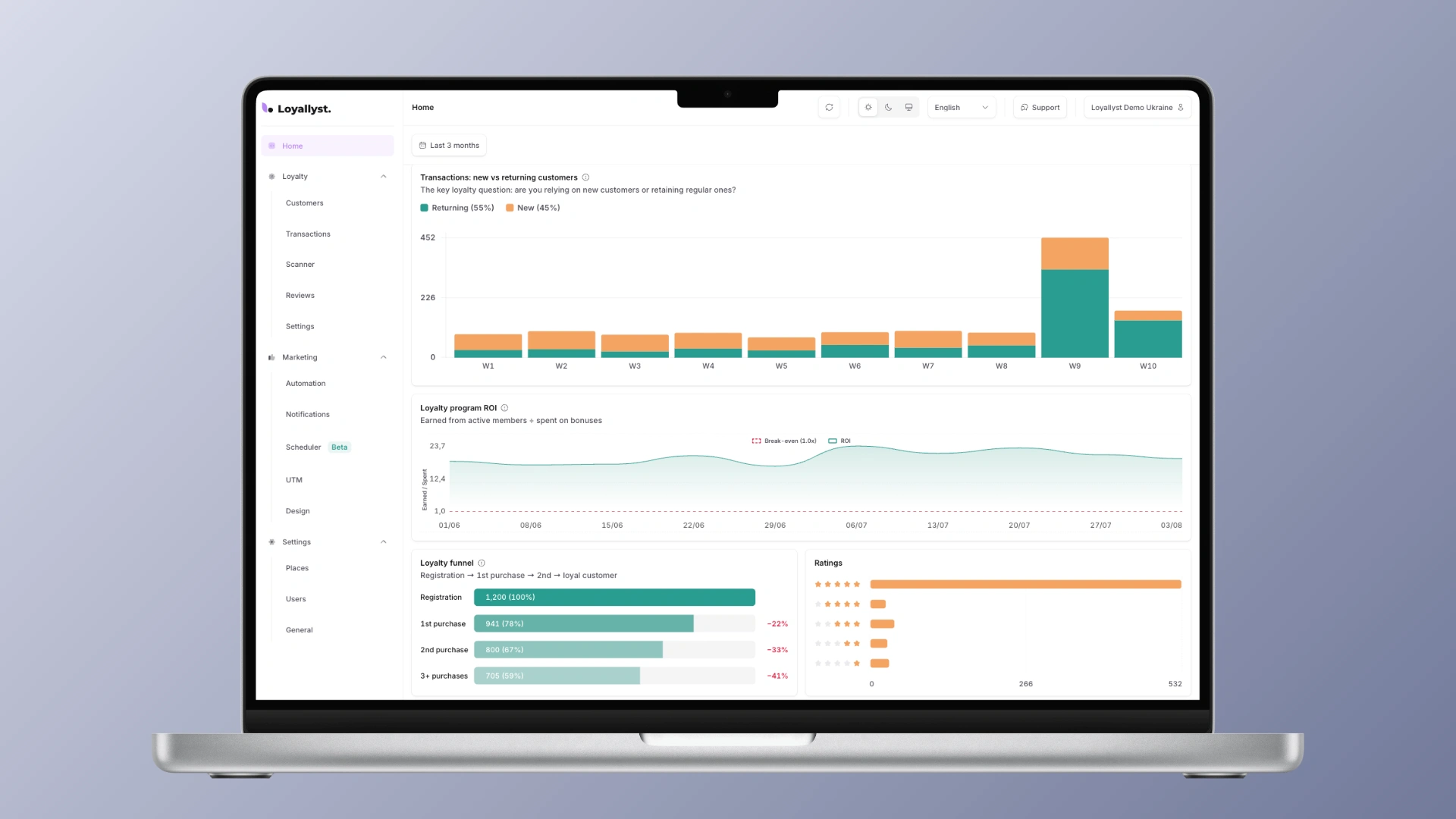
- customer base analysis;
- promotion performance evaluation;
- customer lifecycle analysis.
Customer Behavior Analysis Helps Increase Sales
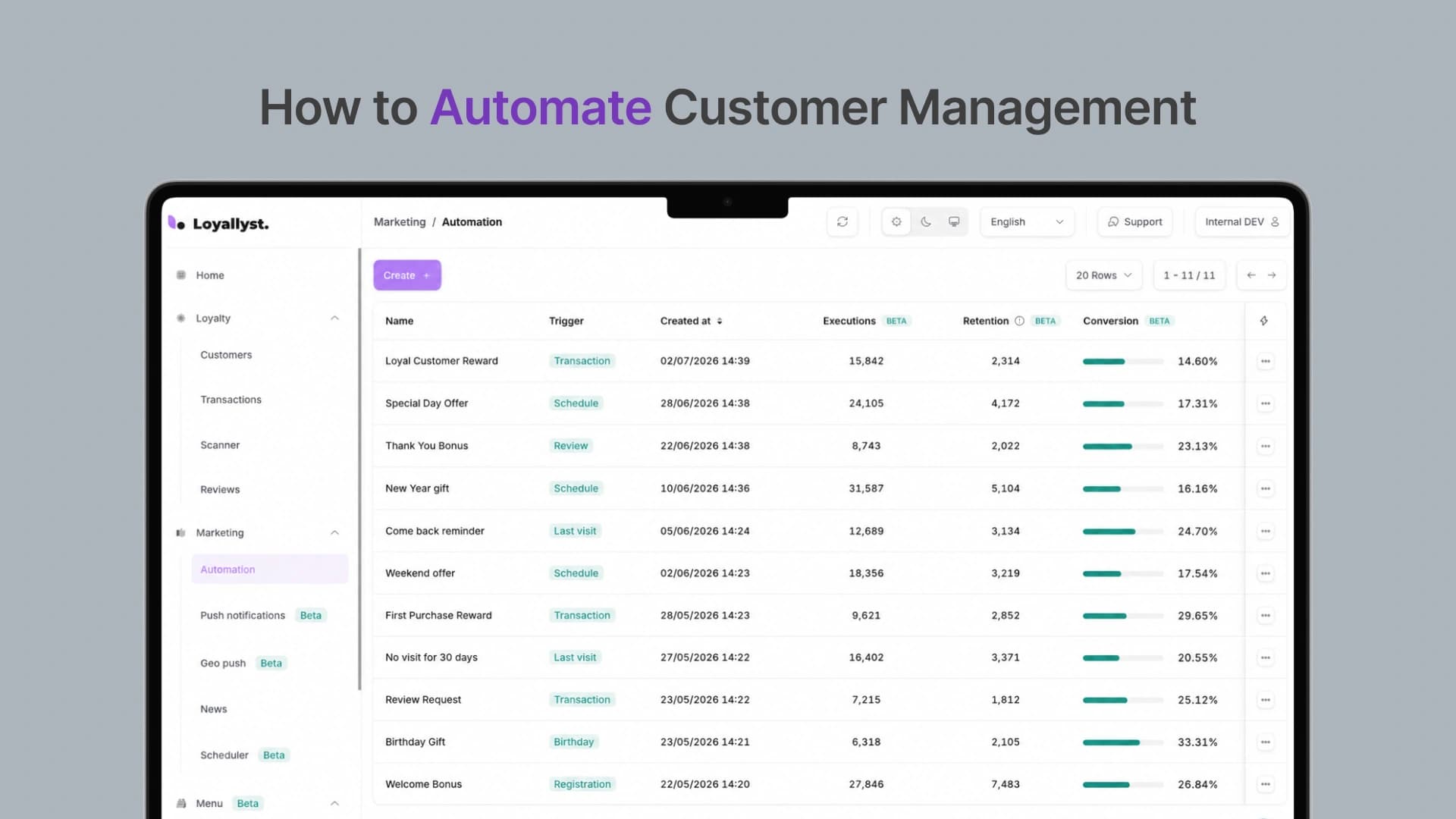
A vape shop owner noticed that most customers regularly purchased e-liquids but paid little attention to accessories. Customer behavior analysis revealed something else: people were much more likely to buy accessories when they received an offer approximately two weeks after purchasing e-liquid. Based on this data, an automated scenario was set up. After 14 days, the customer received a push notification offering bonus points for accessories. Within two months, sales in this category increased by 27%, while the average order value grew by nearly 13%.
Customer Base Analysis Helps Identify Growth Opportunities
Another important step is customer base analysis. For example, a jewelry store divided its customers into three groups:
- new customers;
- regular customers;
- customers who had not made a purchase for more than eight months.
Customer Journey Analysis Reveals Weak Points
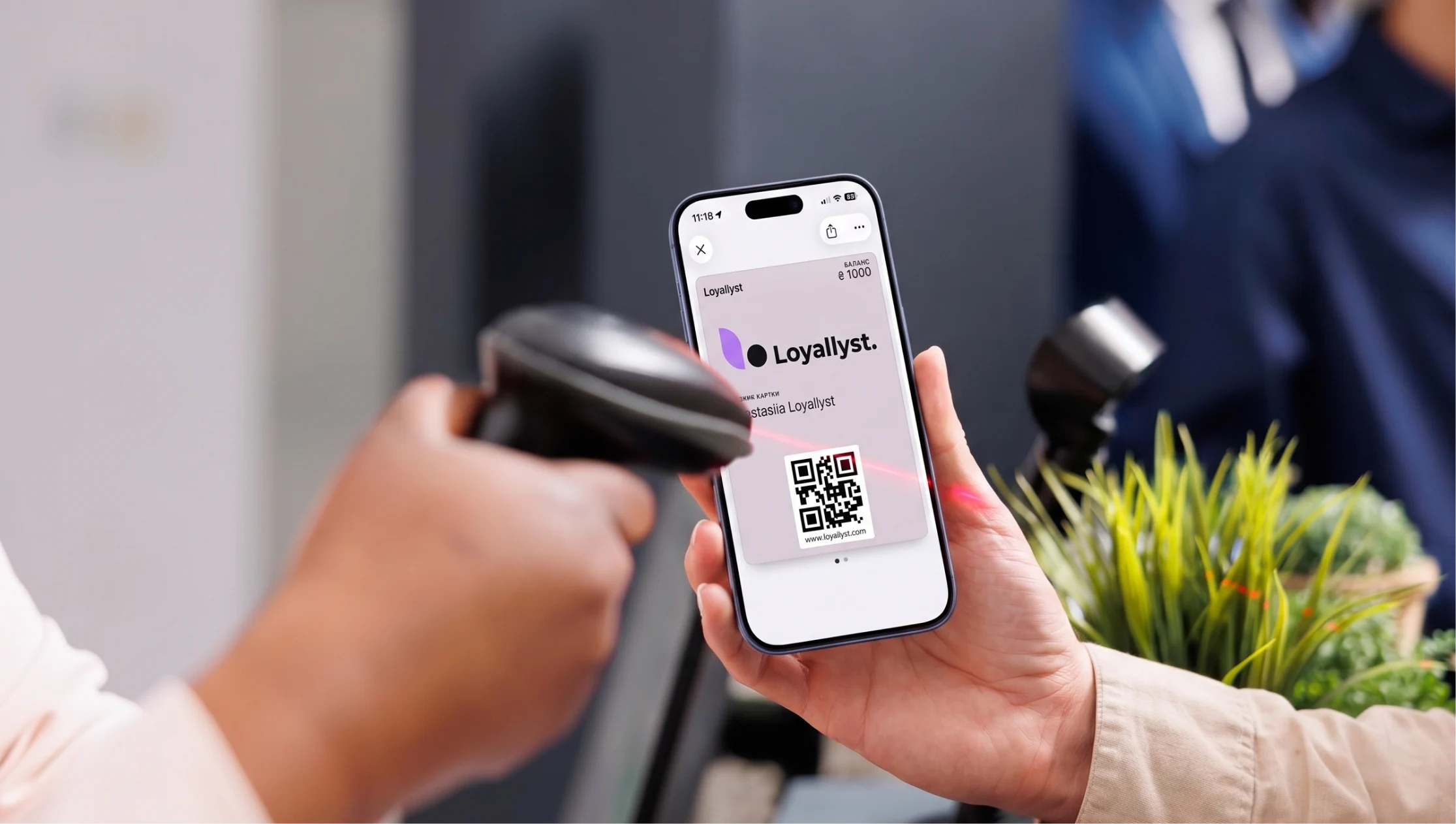
Sometimes the problem occurs even before a purchase is made. That is why customer journey analysis can be useful. For example, a car wash noticed that many visitors came only once and never returned. After analyzing the data, it became clear that regular customers had almost always registered for the loyalty program during their first visit. The others had not. The staff began offering a digital loyalty card to every new visitor. Within just three months, the number of repeat visits increased by approximately 18%. Sometimes the cause is found in a completely unexpected place.
Customer Interaction Analysis
Knowing what a person buys is not enough. It is also important to understand how they respond to your communications. Customer interaction analysis helps answer questions such as:
- which push notifications are opened most often;
- which promotions lead to repeat purchases;
- after which messages customers stop responding.

What Does a Loyalty Program Provide?
| Feature | Benefit for the Business |
|---|---|
| Customer information analysis | A complete history of purchases and activity |
| Customer purchase analysis | An understanding of the most profitable segments |
| Customer loyalty analysis | Evaluation of repeat purchases and retention rate |
| Personal data analysis | Personalized offers |
| Customer analysis from a marketing perspective | More effective advertising campaigns |
Example of Customer Analysis
Suppose a coffee shop notices a decline in the number of repeat visits. After reviewing the statistics, it becomes clear that new visitors come only once and never return. This is a good example of customer analysis helping to identify a problem. The solution turned out to be simple: every new guest automatically received welcome bonus points that could be used within ten days. The system also sent a push notification two days before the bonuses expired. After a month and a half, the share of repeat visits increased by 21%.
Why Is Analysis More Important Than Assumptions?
Many decisions are made intuitively. The owner believes customers are interested in one promotion, while the manager believes they prefer something completely different.
However, customer problem analysis is based not on guesses but on facts. A loyalty program shows which offers truly work, which segments generate the most profit, and where the business is losing customers. When data is used regularly, marketing becomes much more precise. Mass promotions are replaced by personalized offers, while random decisions give way to a clear growth strategy based on actual customer behavior.

Frequently Asked Questions
First of all, businesses should analyze purchase frequency, average order value, the customer’s total spending, favorite product categories, response to promotions, time between purchases, and customer return rate.
Businesses most often use audience segmentation, RFM analysis, repeat purchase analysis, promotion performance evaluation, customer database analysis, and customer lifecycle analysis.
Analysis shows which products and offers interest different customer groups, when messages should be sent, and which promotions lead to repeat purchases. This helps personalize marketing, increase average order value, and bring inactive customers back.
Customer journey analysis helps identify the stages at which a business loses customers, while interaction analysis shows which messages and promotions work best. This data can be used to improve service and marketing scenarios.
A loyalty program automatically collects purchase history, information about repeat visits, bonuses, and customer responses to promotions. This provides a complete picture of customer behavior and helps businesses make decisions based on real data.