How and Why Should You Segment Customers?
Two coffee shops have similar menus, the same prices, and roughly the same audience. Both launch a 15% discount but get different results. At the first, sales barely change. At the second, some visitors actually return.
The reason becomes clear later. The first coffee shop sent the offer to everyone — including people who visit several times a week even without a discount. The second selected only customers who had not appeared for more than a month.
The promotion is the same. Its purpose is different.
This is how customer segmentation works: the overall database is divided into groups whose members are similar in behavior, interests, or other characteristics. Each group is then offered something that may actually suit it.
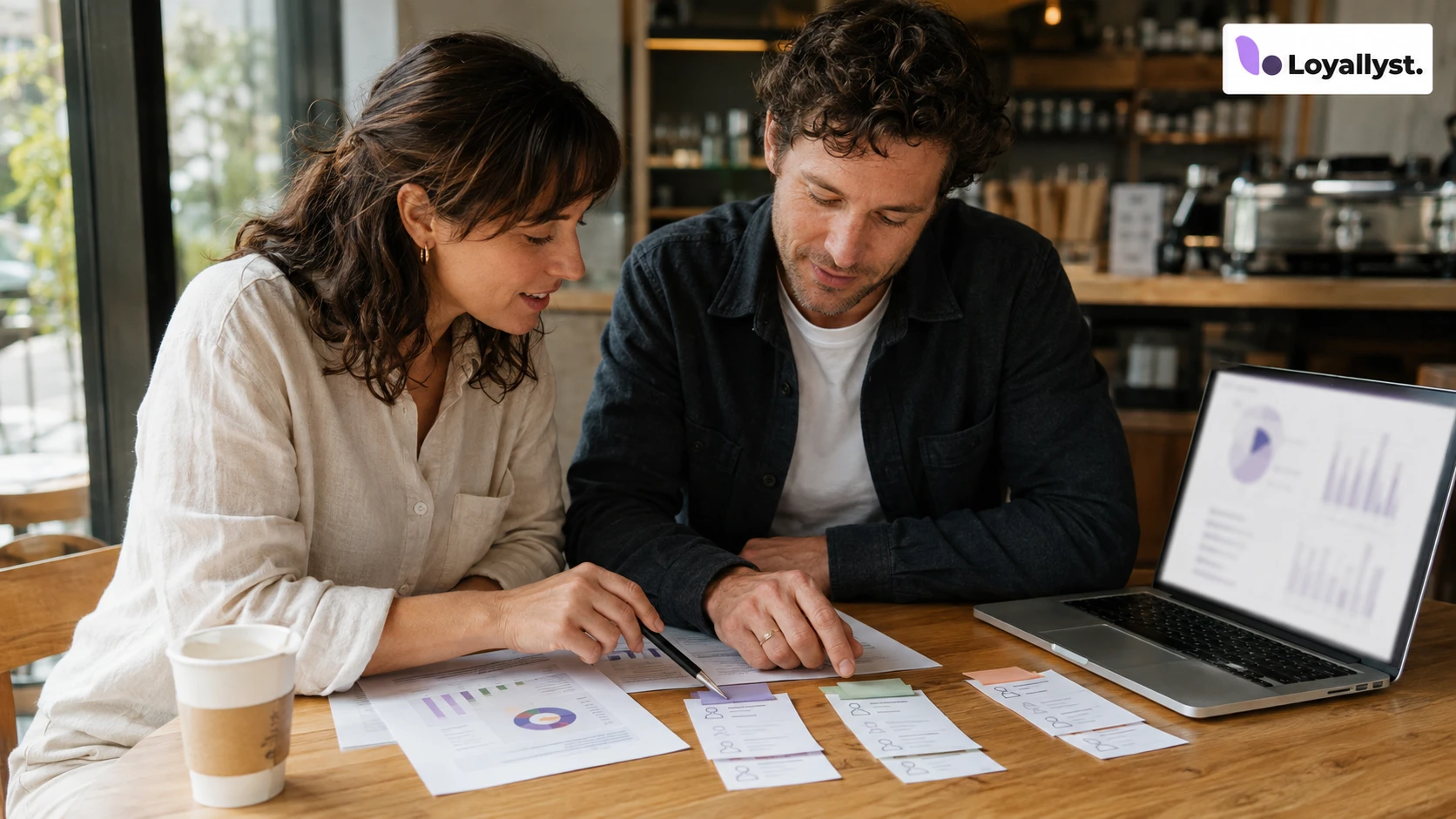
A loyalty program makes this work considerably easier. Purchase history, average order value, rewards used, visit frequency, and responses to notifications are already stored in the system. The task is no longer to collect data manually, but to understand what it shows.
Why Divide Your Customer Database?
Identical offers for everyone seem convenient only from the business's perspective. In reality, customers are in different situations.
One shopper visited yesterday and already plans to return. Another has not ordered anything for a long time. A third registered for the loyalty program but has not yet made a single purchase. Sending them the same discount is strange: some do not need it, and for others it is not suitable at all.
Segmenting the customer database helps you understand:
- who buys regularly;
- which customers have started returning less often;
- who could be offered a reward for their next order;
- who should be introduced to a new product category;
- which shoppers generate more revenue for the business;
- which groups are not worth spending money on expensive advertising.
Marketing then becomes more precise. You do not necessarily need to send more messages — sometimes it is enough to send fewer mailings and choose the audience more carefully.
| Without Segmentation | After Dividing the Database |
|---|---|
| One promotion for everyone | Different offers for different groups |
| Discounts go even to people who are already ready to buy | Rewards are used where they can influence the decision |
| It is difficult to assess shoppers' interests | The behavior of individual segments is visible |
| Mailings quickly become irritating | The customer receives fewer, more relevant messages |
Which Types of Segmentation Are Used?
A single characteristic is rarely enough. Age alone says almost nothing about what someone will buy tomorrow. Where they live does not explain their interests either. That is why companies usually combine several approaches.

Demographic Segmentation
Customers are divided by age, gender, income, marital status, and other characteristics.
For example, a jewelry store may work differently with young shoppers choosing inexpensive jewelry for themselves and people buying more expensive gifts. However, communication should not be based entirely on age. Two people born in the same year may shop in completely different ways.
Geographic Segmentation
This takes into account the country, city, neighborhood, or nearest branch of a chain.
For a car wash on the other side of town, a mass mailing is unlikely to deliver good results. It makes much more sense to show an offer to people who live, work, or regularly spend time nearby.
This approach is useful for chains with several branches, delivery services, and local businesses.
Psychographic Segmentation
The focus is on interests, habits, and lifestyle.
A sportswear store can work separately with running enthusiasts, gym visitors, and people choosing comfortable clothes for walks. Their ages may be the same, but their needs will differ.
This data is harder to obtain. Some information is collected through surveys, and some from browsing and purchases. In return, offers become much closer to the person's real interests.
Behavioral Segmentation
For a loyalty program, this approach is usually the most useful because it is based on actions rather than assumptions.
The system sees:
- when the customer last purchased;
- how often they return;
- how much they usually spend;
- which products they choose;
- whether they use rewards;
- whether they open push notifications;
- whether they respond to promotions.
This kind of customer segmentation analysis allows different workflows to run automatically. For example, an inactive shopper can be reminded about rewards, while a regular customer can be offered early access to new products.

Which Criteria Should You Choose?
It is easy to get carried away by the number of possible characteristics. You want to consider everything: age, neighborhood, interests, purchases, order value, and responses to messages. But overly complex segmentation does not help either — the groups become too small and inconvenient to work with.
It is better to start with a few criteria directly related to the task.
To bring customers back, you need the time since their last purchase and their visit frequency. To increase average order value, use order amounts and favorite categories. To assess mailings, look at opens, clicks, and purchases after a message.
Customer segmentation criteria most often include:
- order frequency;
- average order value;
- time since the last purchase;
- total spending;
- interest in specific categories;
- participation in a rewards program;
- responses to promotions and notifications.
The list can be expanded over time. But only when new characteristics actually help you make decisions.
Which Customer Groups Can Be Identified by Behavior?
Loyalty programs often use the RFM model. It considers the time since the last purchase, order frequency, and the amount spent.
Segment names may differ between systems. But the basic idea remains roughly the same.
Champions
These are the most active and valuable shoppers. They have ordered recently, return frequently, and spend more than others.
They do not necessarily need another mass discount. A higher loyalty program tier, early access, additional privileges, or exclusive offers work better. These customers have already chosen the company — now it is important not to start taking them for granted.
Loyal Customers
They buy consistently, although they do not always spend the largest amounts.
Progressive tiers, rewards for regular purchases, and personalized recommendations work well for them. The task is simple: preserve the habit of returning.
Potentially Loyal Customers
They discovered the company recently but have already made several purchases.
This is a good moment to show the value of the loyalty program. You can award extra points for a second or third order, remind them about their digital card, or select products based on past purchases.
New Customers
They have placed their first order or have only just registered.
Much depends on the first impression here. Clear terms, a convenient card, and welcome rewards work better than a long series of advertising messages immediately after registration.
Promising Customers
They have already purchased but have not yet developed a regular habit.
You can remind them about accumulated points or offer a temporary reward for the next purchase. The main thing is not to rush to classify someone as a regular customer after one successful order.
Customers Who Need Attention
They used to be more active but have gradually started buying less often.
This is often the first sign of possible churn. If you notice it in time, the customer can still be brought back without a large discount — for example, with a personalized offer or a reminder about rewards.
About to Sleep
Their last purchase was a long time ago, although they used to order more often.
A routine newsletter is unlikely to help here. A more noticeable reason is needed: higher cashback, a time-limited reward, or an offer from a familiar category.
At Risk
They once bought regularly and generated good revenue, but then almost disappeared.
This is one of the priority segments for a loyalty program. Losing these customers costs more than losing an occasional shopper. It is better to launch a win-back workflow automatically — as soon as the gap between purchases becomes unusually long.
Customers You Cannot Lose
They place large orders and have a high overall value to the company.
They are usually offered personalized service, individual terms, or privileges. Sometimes it is enough simply to get in touch in time and solve a problem, rather than waiting until the person leaves for a competitor for good.
Hibernating Customers
They have not purchased for a long time but still read messages or occasionally visit the website.
Contact has not yet been lost. You can test gift rewards, a special offer, or a short survey about the reasons for the pause.
Lost Customers
They have not purchased for a very long time and barely respond to communication.
There is no point trying to bring them back indefinitely. Sometimes it is worth running one separate campaign and examining the result. If there is no response, it is better to reduce message frequency and direct the budget toward more promising groups.
A Hypothetical Segmentation Example
Imagine a cosmetics store where the share of repeat orders has stopped growing. At first, the owners plan to increase the advertising budget, but they decide to check the loyalty program database.
After dividing customers into groups, they discover that a significant share of shoppers has not returned for several months. These people used to order regularly, so it is too early to consider them completely lost.

A separate workflow is launched for this group. The customer receives a reward with a limited validity period and a reminder about products from a category they bought before. Active shoppers do not receive this message — they simply do not need it.
After the campaign, the business compares how many customers returned, what the average order value was, and how much it cost to win back each customer. This is the advantage of segmentation: results can be assessed for a specific group rather than for the entire database at once.
Segmenting Potential Customers
You can divide more than just people who have already purchased.
Someone may have obtained a digital card, subscribed to notifications, or browsed products several times without placing an order. Technically, they are not yet a customer. But interest is already there.
Segmenting potential customers helps distinguish this audience from casual visitors. Separate groups can include users who:
- registered for the loyalty program;
- obtained a digital card;
- opened messages;
- browsed specific categories;
- started checkout but did not complete it.
What happens next depends on behavior. A welcome reward may suit one person, while a reminder about a viewed product suits another. A “discount for all new users” mailing would be too blunt an approach here.
How Does a Loyalty Program Simplify Working with Segments?
Manually dividing a few hundred customers is still possible. But when the database contains tens of thousands of contacts, you end up with endless spreadsheets, filters, and outdated lists.
A loyalty program constantly updates the data. A customer makes a purchase — their segment changes. They have not returned for a long time — the system moves them into the at-risk group. They start buying more often — they receive a different tier or offer.
This brings the basics of customer segmentation out of theory and into everyday work. The business no longer sends identical promotions to the entire database or gives discounts to people who would have bought anyway.
Segmentation alone does not increase sales. It shows whom to talk to and what to talk about. The loyalty program then helps choose the right mechanism: a reward, a personalized recommendation, a reminder, or, conversely, a pause in communication.


Frequently asked questions
Customer segmentation divides the overall database into groups of people with similar behavior, interests, or other characteristics. It helps businesses choose relevant offers and evaluate results separately for each group.
The main types are demographic, geographic, psychographic, and behavioral segmentation. They consider customer characteristics, location, interests and lifestyle, or specific actions. Businesses usually combine several approaches.
Choose criteria that fit the task: order frequency, average order value, time since the last purchase, total spending, favorite categories, rewards use, and responses to messages. Start with a few useful characteristics to avoid creating groups that are too small.
The RFM model considers the time since the last purchase, order frequency, and the amount spent. It helps identify champions, loyal, new, inactive, and at-risk customers and choose different engagement workflows for them.
A loyalty program stores purchase history, average order value, rewards used, and responses to notifications. It updates segments as customer behavior changes and helps automatically launch personalized offers, reminders, and win-back workflows.