Promotions to Attract and Bring Back Customers: What Really Works
Almost every business eventually faces the same question: what can be done to make people come more often? The problem can look different in each case. In some businesses, repeat sales are dropping. In others, customers come once and disappear. And sometimes everything seems fine, but a specific product or service simply “doesn’t move.” This is where the search for ideas begins: which promotions for attracting customers actually work, and which ones only “eat up” profit. Let’s look at a few mechanics that businesses actually use in practice — with examples and numbers.
Why Do Regular Discounts Work Worse Now?
When a store launches endless sales, people quickly get used to it. The customer starts waiting for a discount. And without it, they postpone the purchase. That is why today, good promotions for customers are more often built not simply around “-20%”, but around return visits, repeat purchases, or accumulating bonuses.
Promotion for New Customers
This is one of the most popular mechanics. The goal is simple: to lower the barrier to the first order or visit. But there is a nuance. If the discount is too big, only “deal hunters” will come. And then they will disappear.
Example: a Vape Shop
A loyalty program for a vape shop was launched:
— 15% off the first purchase + bonuses for the next order.
The result:
| Metric | Before | After |
|---|---|---|
| New customers per month | 120 | 178 |
| Repeat purchases | 21% | 37% |
What worked was exactly the combination of “discount + bonuses afterward.” People came back to use their accumulated rewards. This is a good example of what an effective promotion for attracting new customers looks like.
Promotions for Former Customers
A very common problem is when a person simply stops coming. Not because they did not like something. Sometimes they simply forgot about the store. This is where personalized offers work well.
Example: a Hookah Lounge
The hookah lounge noticed that some guests did not return after 1–2 visits. What they did:
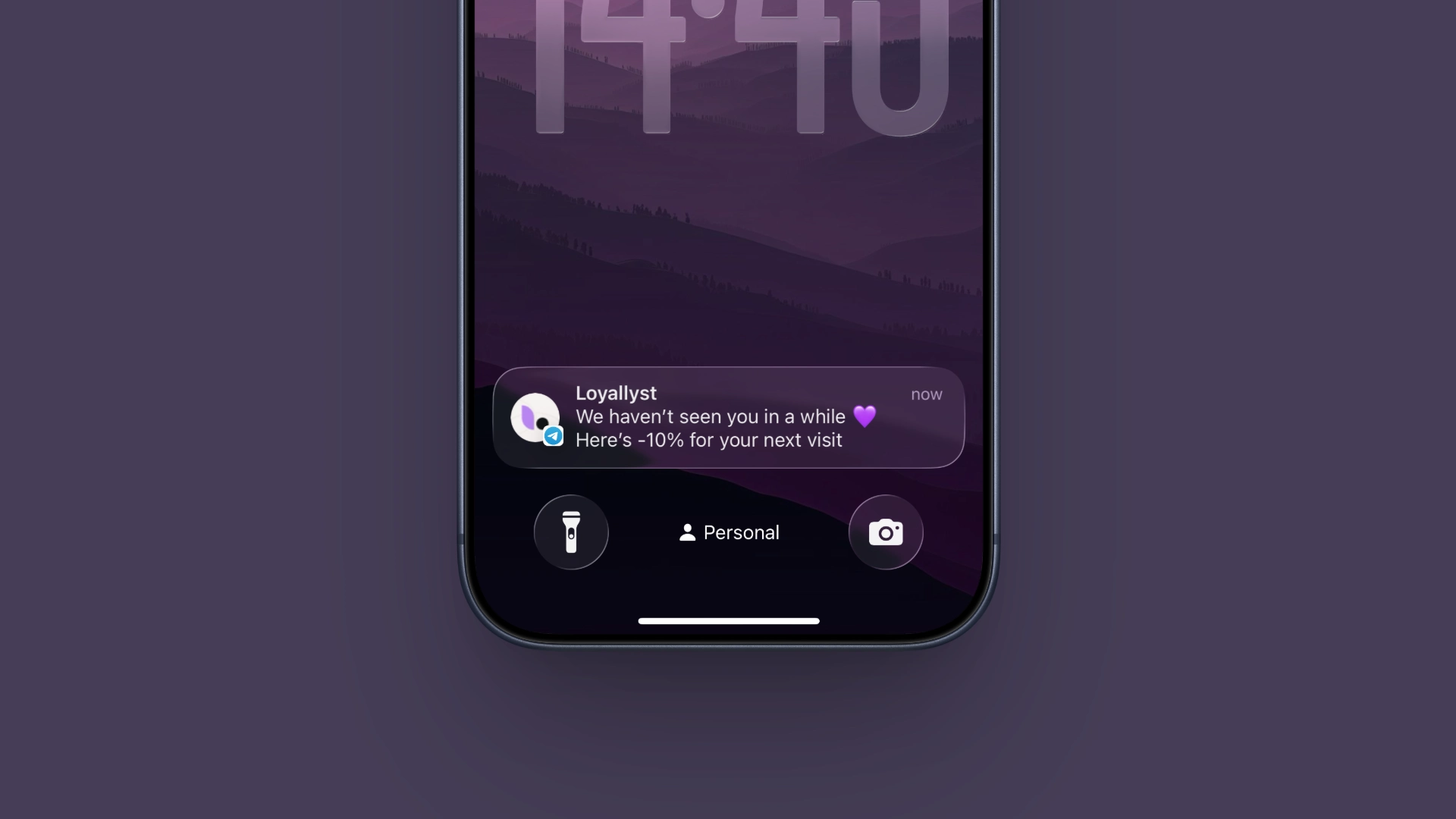
- after 45 days without a visit, they sent a push notification;
- offered free tea or a 10% discount.
The result of the loyalty program for the hookah lounge after two months:
- around 28% of “sleeping” guests were brought back;
- some customers became regulars again.
Promotions for Regular Customers
There is a common mistake: a business keeps trying to attract new people and forgets about those who already buy. Although it is regular customers who most often bring in the main revenue.
Example: a Clothing Store
The store launched a closed mechanic:
- double bonuses only for regular customers;
- early access to the new collection.
The result of the loyalty program for the clothing store after 3 months:
- the average order value increased by 14%;
- repeat purchases increased by almost 20%.

Promotions for Store Customers When a Product Is Selling Poorly
Sometimes the problem is not customer traffic, but a specific item. For example:
- a new liquid flavor;
- a seasonal product;
- an expensive category.
Example: a Grocery Store
The store could not sell ready-made breakfasts properly. The solution:
— “Buy coffee and get 50% off breakfast.”
After one month:
| Metric | Before the promo | After |
|---|---|---|
| Breakfast sales | 100% | +34% |
| Average check | $6.8 | $8.1 |
In other words, the promotion boosted two categories at once.
Which Promotions for Attracting Customers Work Best
In short, the ones that give customers a reason to come back. Here are the mechanics that most often show results:
| Promotion type | What it is best for |
|---|---|
| Bonus for the first purchase | attracting new customers |
| Double bonuses | increasing the average check |
| Personalized discount | bringing customers back |
| Gift for a visit | increasing repeat sales |
| Loyalty tiers | retaining the audience |
What Promotions Can You Create for Customers Without Losing Profit?
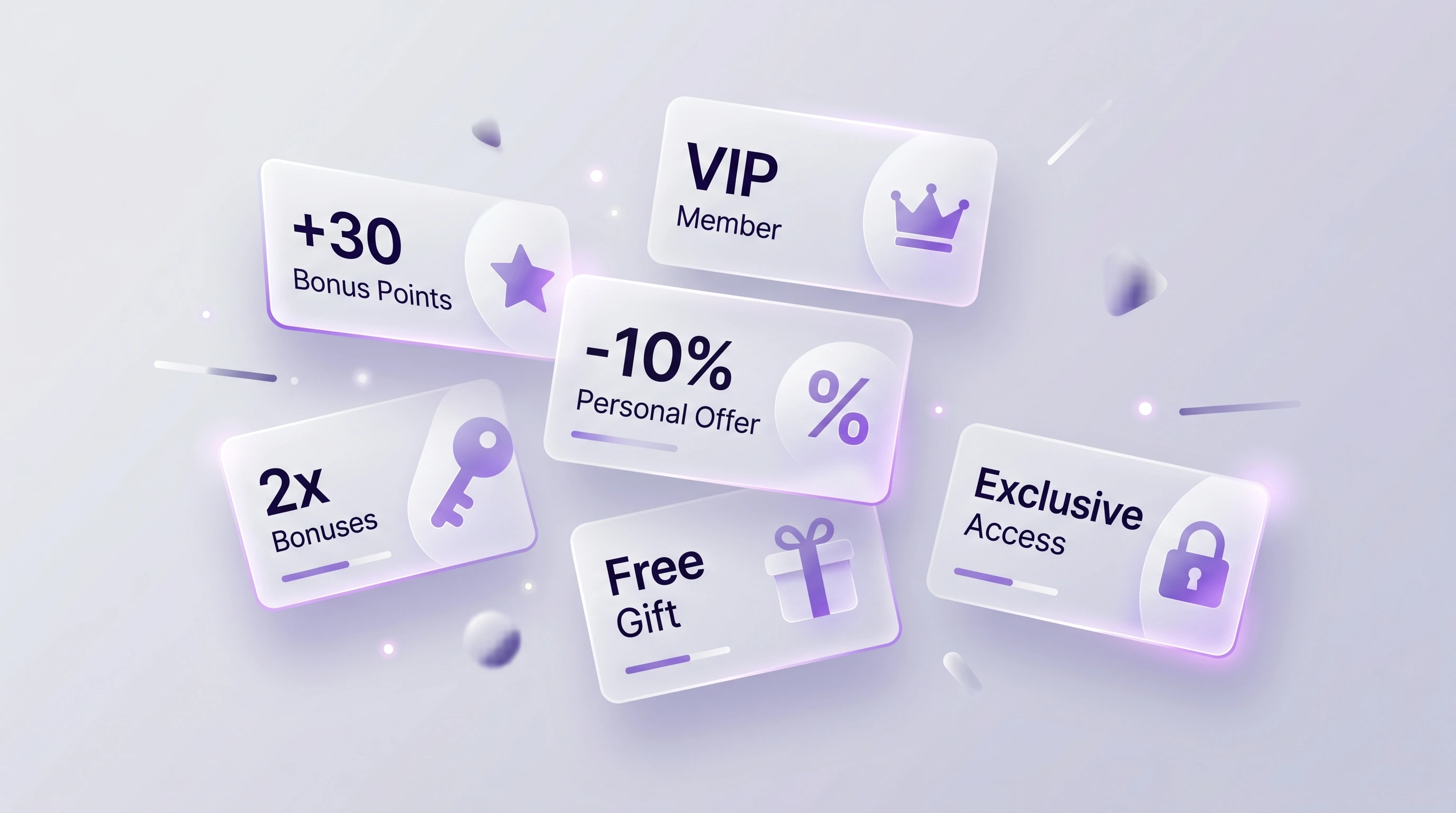
This is an important point. Not every promotion has to be about big discounts. Sometimes, the following work better:
- bonuses instead of a direct discount;
- a gift with purchase;
- increased point accumulation;
- personalized offers.
What Promotions Can You Create for Customers If Sales Are Low?
When traffic drops, businesses usually start cutting prices sharply. But this is not always the best option. Sometimes it is more effective to:
- bring back former customers through push notifications;
- offer a bonus for a repeat visit;
- launch a limited-time promotion;
- highlight a specific product category.
Conclusion
To be honest, there is no universal promotion. What works perfectly for a hookah lounge may bring no results at all for a clothing store. But almost all successful promotions and discounts for customers have one thing in common: they do not end with the first purchase. That is why businesses are increasingly combining promotions with loyalty programs, bonuses, and personalized offers. Because a one-time discount creates a short-term spike, while a system helps gradually build the habit of coming back again.
Frequently Asked Questions
The most effective mechanic is a first-purchase discount combined with bonuses for the next order. It lowers the entry barrier and immediately motivates customers to return. For example, a vape shop using this approach grew its new customer count from 120 to 178 per month, while repeat purchases increased from 21% to 37%.
Personalized offers work well: after a set period without a purchase (e.g., 45 days), send the customer a push notification with a small discount or gift. A hookah bar used this method to bring back around 28% of dormant guests within two months.
When discounts become constant, buyers get used to them and start waiting for sales before purchasing at full price. This gradually erodes margins and trains customers to buy only during promotions.
It works well to pair a weak product with a popular one — for example, 'Buy a coffee, get 50% off breakfast.' This approach boosts sales in the underperforming category while increasing the average check at the same time.
Instead of direct discounts, consider using bonus points, gifts with purchase, double point accrual, or personalized offers. A loyalty program allows you to drive repeat purchases without significantly cutting into margins.