Types of Loyalty Programs: Which Mechanics Really Work for Business
When a business first starts thinking about a loyalty program, almost the same question always comes up: what options are there, and which of them actually work? Because a discount card is not yet a full-fledged system. In some cases, bonuses work better. In others, loyalty tiers are more effective. And in some niches, simple cashback barely affects repeat purchases. That is why, before launching, it is useful to understand what types of loyalty programs exist and which goals they are best suited for. Let’s look at everything using business examples and numbers.
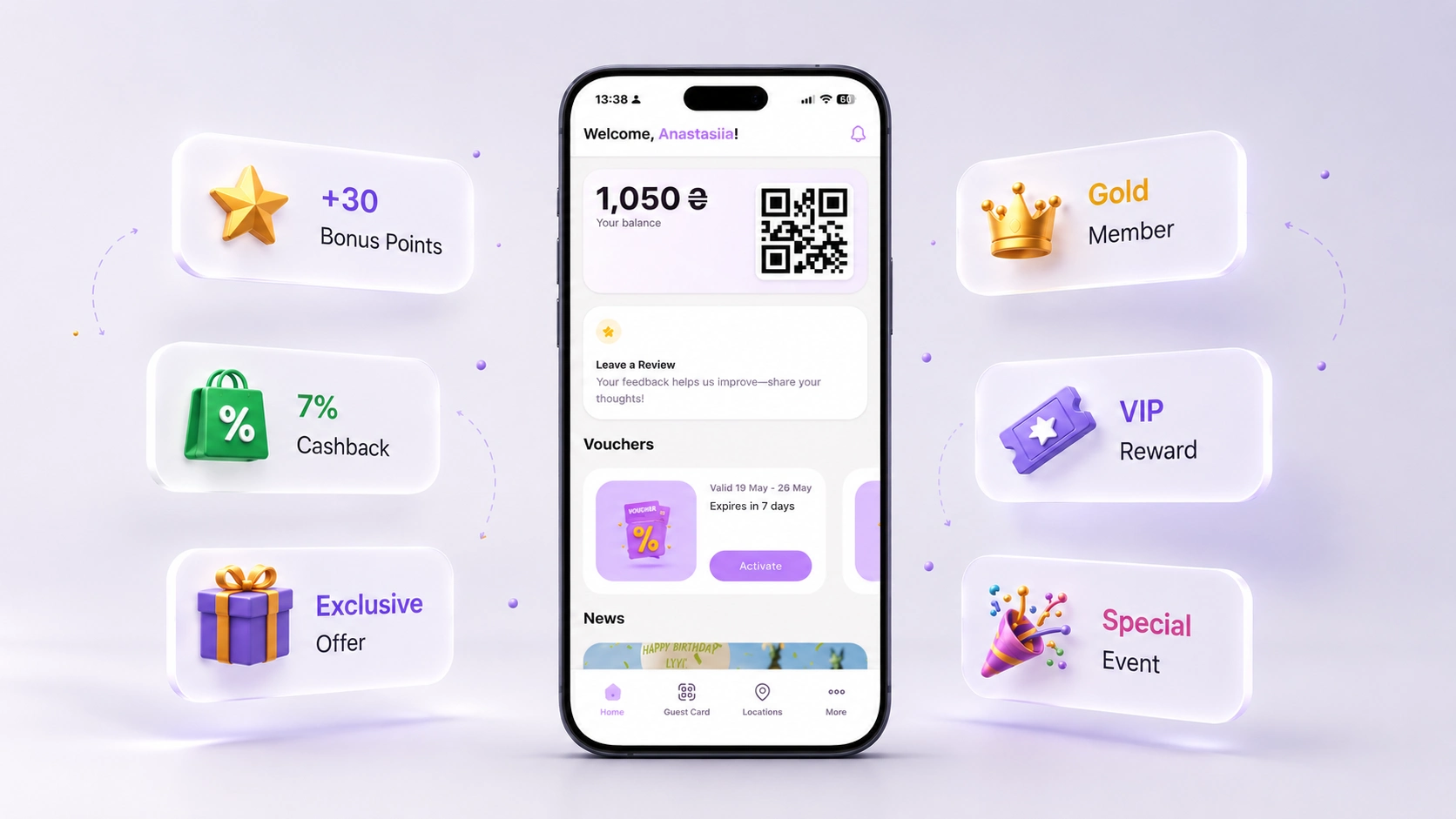
Why Does a Business Need a Loyalty Program at All?
In short, to make customers come back. But in practice, it is a little more interesting than that. A good loyalty program helps to:
- increase repeat sales;
- increase the average check;
- retain customers;
- promote specific products or services;
- bring back “sleeping” customers.
What Types of Loyalty Programs Are There?
Globally, the most popular types of loyalty programs look like this:
| Program type | Where it is used most often |
|---|---|
| Bonus-based | cafés, retail, beauty |
| Cashback | stores, e-commerce |
| Tiered | fashion, premium segment |
| Subscription | services and delivery |
| Partner | chains and franchises |
| VIP / club | bars, jewelry stores, premium |
Now, let’s look at them in more detail.
Bonus-Based Loyalty Program
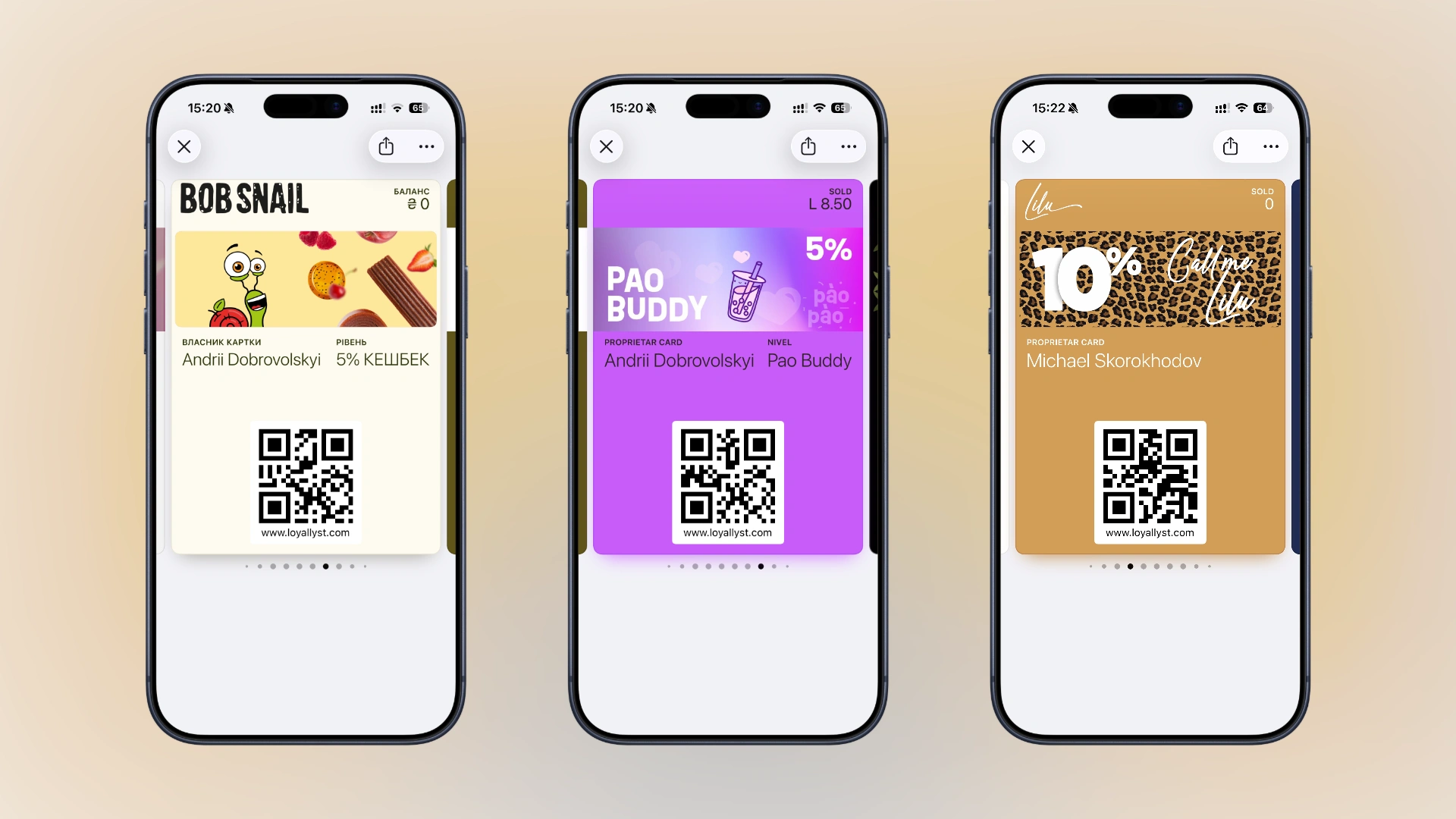
This is one of the most common formats. The idea is simple: the customer receives bonuses for purchases and can then use them later. Why is this option so popular? Because it is quite easy to understand. The customer immediately gets how the mechanic works.
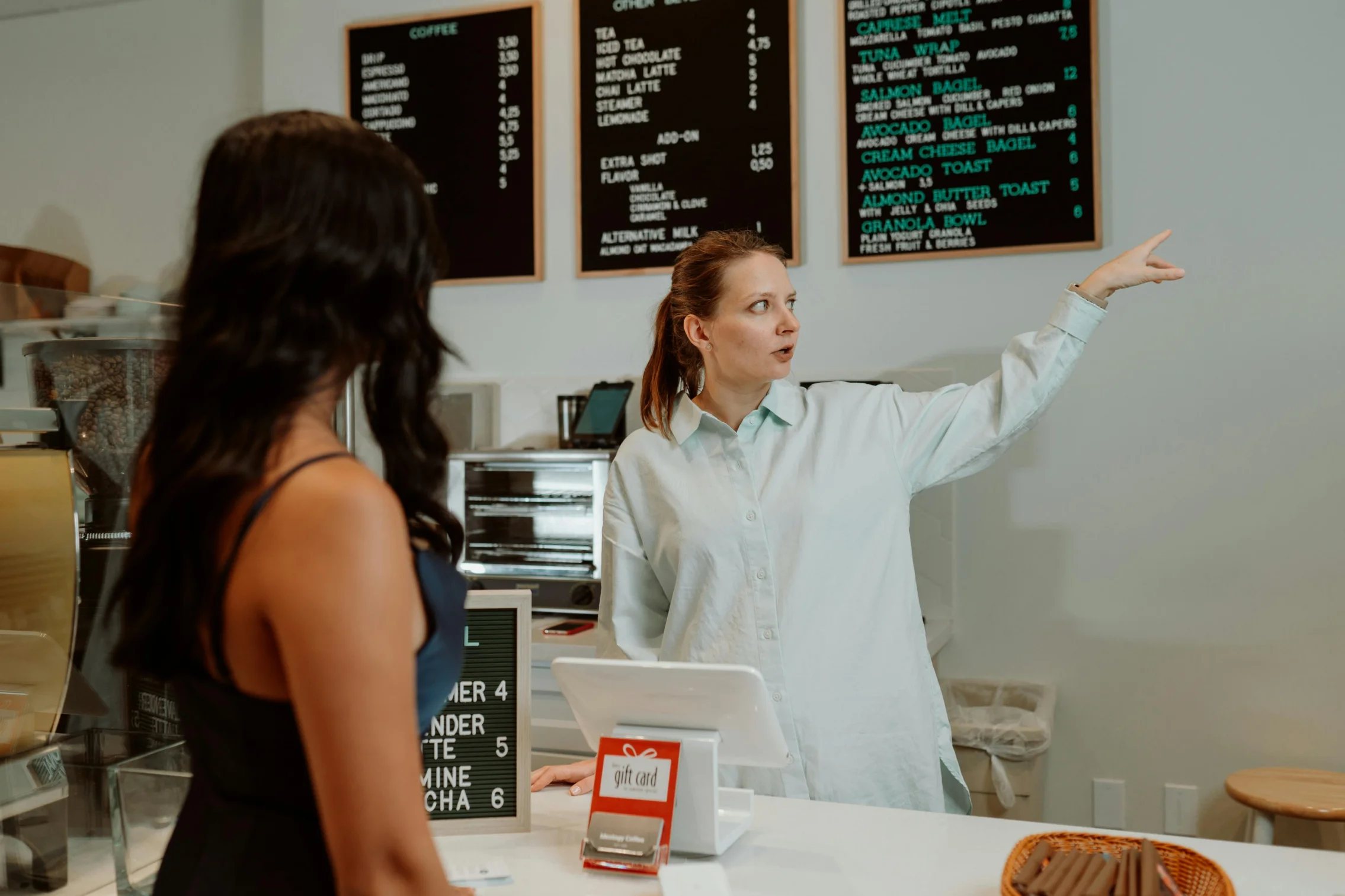
Example: a Coffee Shop
A small coffee shop chain introduced a bonus system:
- 5% of the order is returned as bonuses;
- bonuses become active after one day;
- the card is stored in Apple Wallet.
| Metric | Before | After |
|---|---|---|
| Repeat visits | 24% | 39% |
| Average check | $4.7 | $5.4 |
Interestingly, dessert sales increased the most. People started adding something to their coffee more often in order to use their bonuses.
Cashback Program
In essence, this is a similar mechanic, but customers perceive it differently. Bonuses are “points.” Cashback creates the feeling of getting money back. And in some niches, this works noticeably better.
Example: a Car Wash
A car wash launched 7% cashback. After each wash, part of the amount was returned to the customer.
The result of this loyalty program for a car wash after 2 months:
- visit frequency increased by 26%;
- customers started buying full-service packages more often;
- the average check increased by about 14%.
Tiered Loyalty Program
These mechanics work especially well in businesses where status or purchase regularity matters. The customer gradually moves up through the levels and receives additional privileges. This is one of the strongest tools when a business is thinking about long-term customer retention.
Example: a Jewelry Store
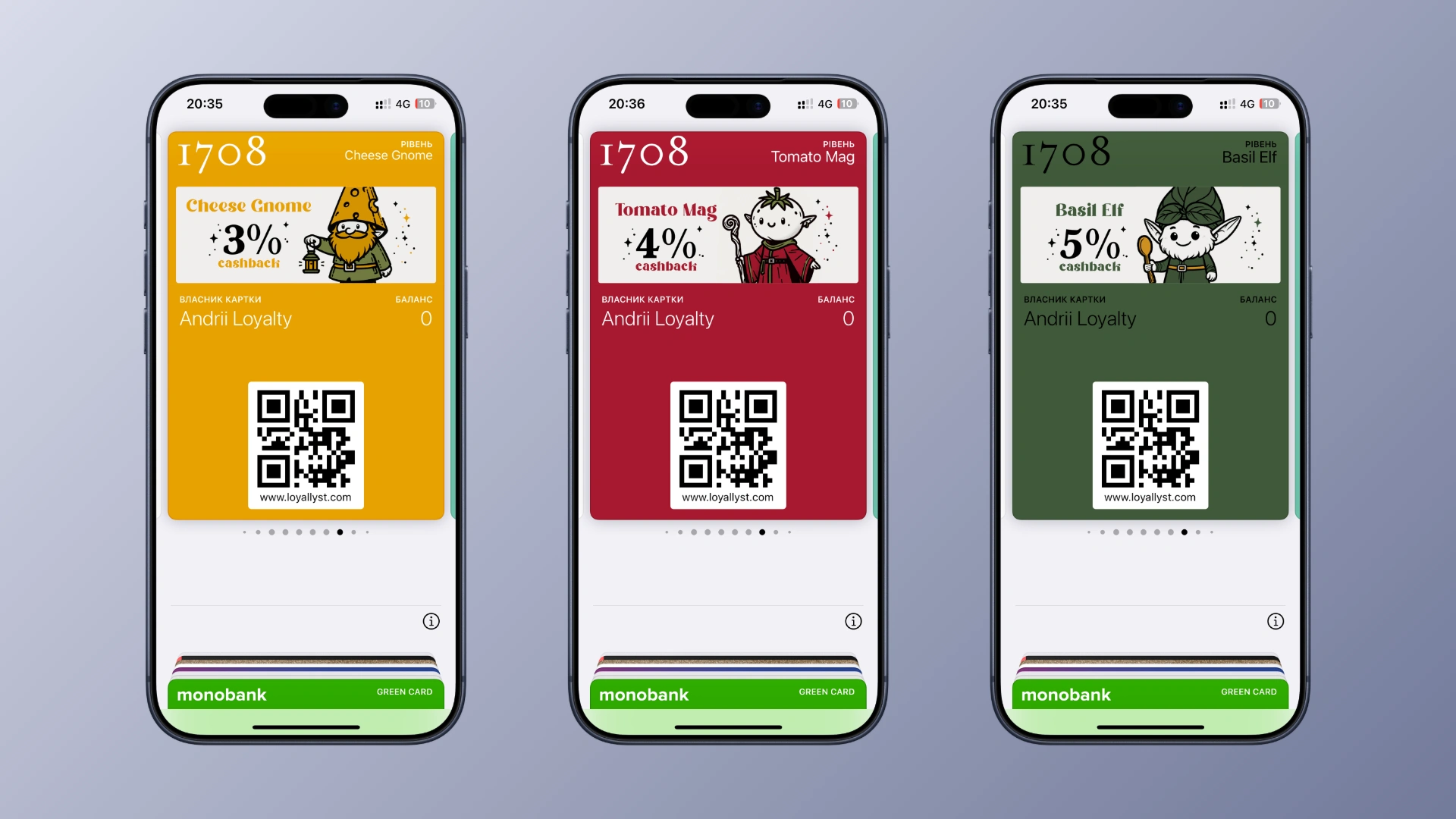
Three levels of a loyalty program for a jewelry brand were introduced:
| Level | Purchase amount | Bonus |
|---|---|---|
| Silver | up to $500 | 3% |
| Gold | up to $2000 | 5% |
| Platinum | from $2000 | 7% |
After six months:
- repeat purchases increased by 19%;
- customers started buying jewelry “as a gift” more often;
- the average check in the premium segment increased.
Subscription Model
This is a format where the customer receives benefits for a fixed monthly fee. It is most often used in delivery services, fitness, or digital products.
Example: Food Delivery
A delivery service introduced a subscription for $5 per month:
- free delivery;
- increased cashback;
- access to closed promotions.
- the number of orders from subscribers almost doubled;
- customer retention became 31% higher.
Partner Programs
These types of customer loyalty programs are used by chains or companies with similar audiences. For example:
- coffee shop + bakery;
- fitness + healthy food;
- hotel + restaurant.
VIP and Club Programs
Here, the benefit itself is not as important as the feeling of being part of a “closed club.” This works especially well in:
- bars;
- premium beauty;
- jewelry stores;
- lounge venues.
Example: a Bar
A bar launched a closed-format loyalty system:
- special events;
- early access to reservations;
- separate offers for club members.
- regular guests started coming more often;
- the average check increased by about 17%.
Which Types of Loyalty Programs Suit Different Businesses
Here is a short table to help you navigate faster.
| Business | What works best |
|---|---|
| Café | bonuses |
| Car wash | cashback |
| Jewelry store | tiers |
| Bar | club model |
| Delivery | subscription |
| Beauty salon | cumulative system |
Separately: Types of Loyalty Programs in Hotels
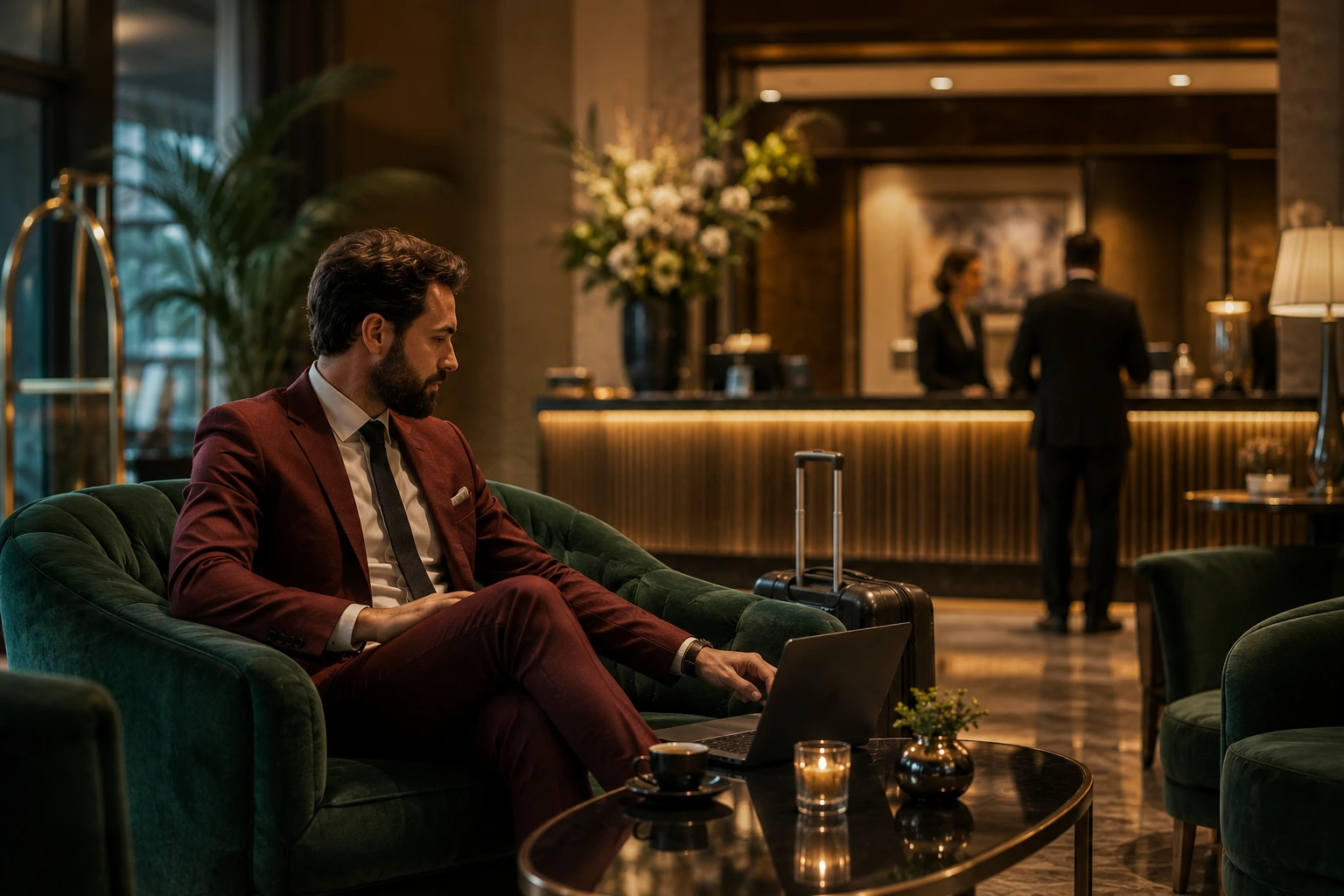
The hotel business has its own specifics. There, customers return less often, so the task is to maintain contact between trips. Most often, types of loyalty programs in hotels are built around:
- accumulating nights;
- status upgrades;
- free services;
- late check-out.
Example: a Loyalty Program in a Hotel
A small city hotel introduced a system:
- 1 night = 1 point;
- after 10 points — a free room category upgrade.
- repeat bookings increased by 23%;
- guests started booking directly more often instead of using aggregators.
What Mistakes Happen Most Often?
There are several typical problems:
- overly complicated rules;
- bonuses that are impossible to use;
- lack of personalization;
- rare communication.
As a result, the program exists… but it does not change anything.
Conclusion
In short, there is no universal mechanic. Some types of loyalty programs work better in retail. Others work better in HoReCa or the premium segment. But almost all successful programs have one thing in common: they give the customer a clear reason to come back. And then habit starts to work. And this is exactly the moment when a loyalty program stops being just a “discount” and becomes part of business growth.


Frequently Asked Questions
The most common types are bonus, cashback, tiered, subscription, partner, and VIP/club programs. Each suits different niches: bonuses work well in cafés and retail, cashback in car washes and stores, tiers in the premium segment, and subscriptions in delivery and service businesses.
For cafés and restaurants, the bonus mechanic works best: the customer earns a percentage of the order as points and spends them on the next visit. For example, a coffee shop chain with 5% bonus accrual increased repeat visits from 24% to 39% over three months.
The mechanics are similar, but the psychological perception differs. Bonuses feel like points, while cashback feels like getting real money back. In some niches — particularly car services and retail stores — cashback motivates better because customers feel a direct benefit from every purchase.
Customers gradually move up levels based on their total spending and receive increasingly valuable perks. For example, a jewelry store with three tiers (Silver, Gold, Platinum) increased repeat purchases by 19%, driven by the emotional appeal of status.
The most common issues are overly complex rules, bonuses that are hard or impossible to redeem, a lack of personalization, and infrequent communication with customers. As a result, the program technically exists but has no impact on repeat purchases or average order value.