How to manage customer loyalty: practical strategies for businesses
Customer loyalty is extremely important for any business. That’s why, when discussing growth strategies, the question always comes up: “how do you manage customer loyalty?”. In this article, we’ll answer this question and explore the most effective approaches.

Why does loyalty impact profit more than advertising?
Imagine two scenarios:
- In the first, a business constantly spends money on acquiring new customers. Advertising, promotions, discounts. Every month, it has to “buy” the audience’s attention again.
- In the second, some customers return on their own. Because it’s convenient. Because they know the brand. Because they have bonuses.
What does managing loyalty mean?
Loyalty rarely appears on its own. It develops gradually through customer experience, service, offers, and small incentives that encourage people to return. Simply put, managing customer loyalty means working with three things:
- ease of interaction
- value for the customer
- reasons to come back

What methods actually increase loyalty?
1. Personalized offers
When a customer receives an offer related to their interests, the likelihood of purchase increases significantly. For example: a cosmetics store analyzes purchases and sends the customer a discount on their favorite brand. Customer return rates can increase by 15–20%.
2. Fast service
Sometimes loyalty is created not by promotions, but by experience. A café in the city center noticed that people come for coffee before work and are often in a hurry. So they decided to create a separate counter for quick orders. The waiting time was reduced from 6 minutes to 2 minutes, which helped increase the number of regular customers by almost 18%.
3. Loyalty programs and cards
The main tool in a loyalty management system is a loyalty program.
Why? Because it creates a clear reason to come back. And this is exactly where the answer to how to increase customer loyalty appears.
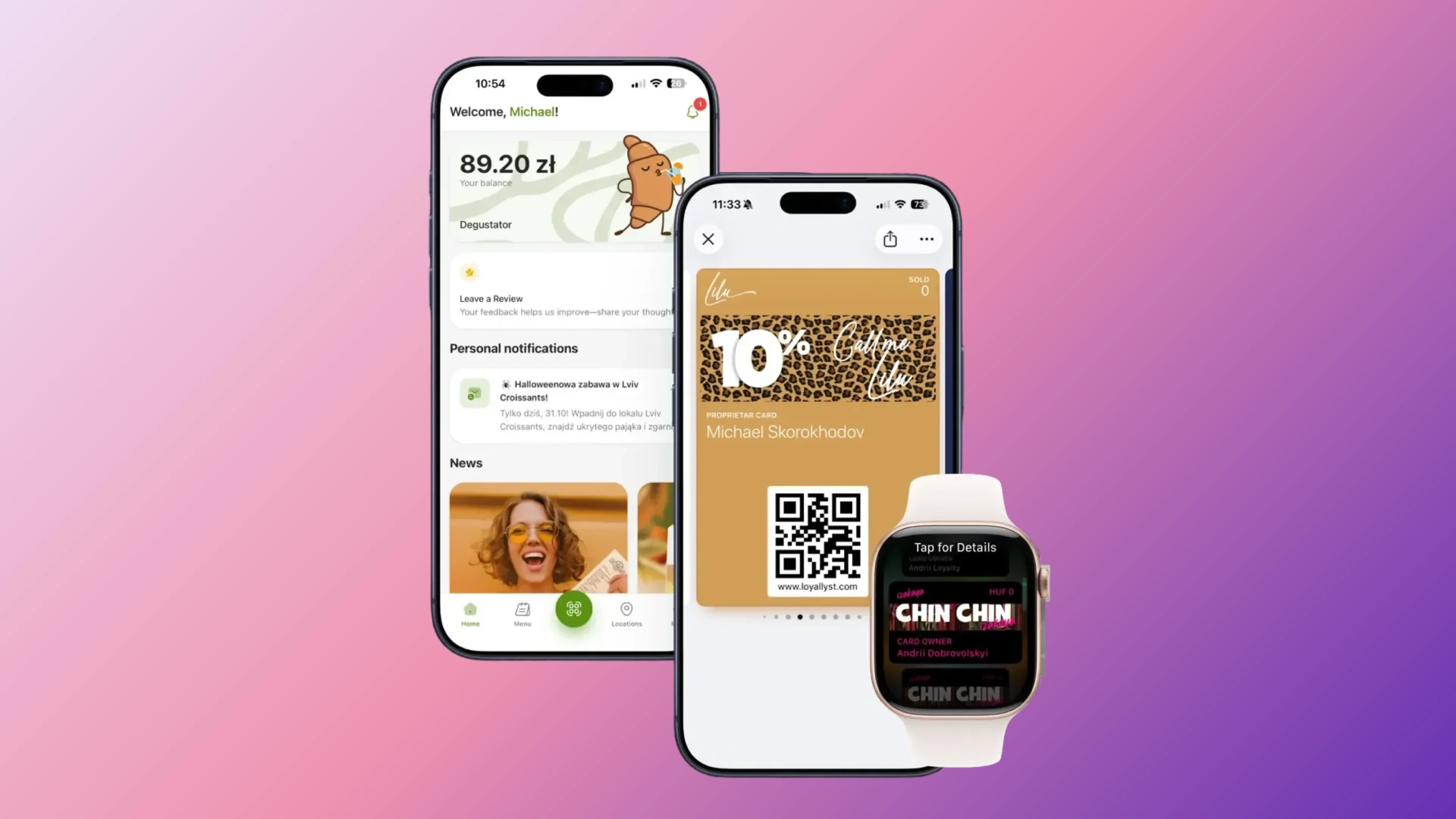
How does a loyalty management system work?
When a business implements a loyalty program, it creates a full customer loyalty management system. It allows you to:
- award bonuses for purchases
- send personalized offers
- track visit frequency
- win back customers who stopped buying
In essence, this turns loyalty from an abstract concept into a manageable process. You can read more in our article: “What is a loyalty program?”.
Why do loyalty cards work better than discounts?
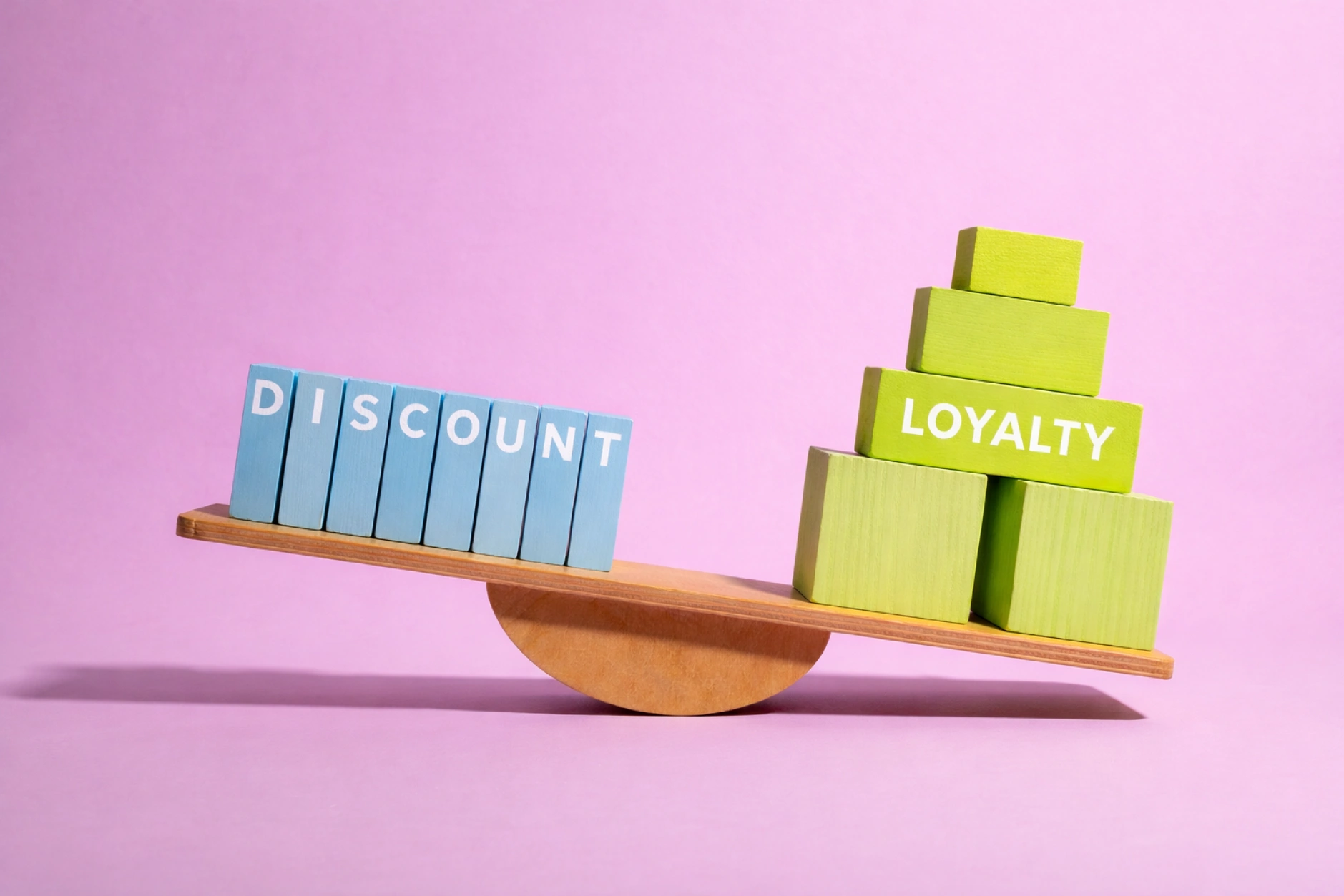
Discounts drive purchases, but they have a drawback. Customers quickly get used to them. Loyalty programs work differently.
| Discounts | Loyalty cards |
|---|---|
| short-term effect | long-term habit |
| reduces margin | encourages repeat purchases |
| doesn’t build attachment | creates a connection with the customer |
That’s why, if a business is thinking about how to retain customer loyalty, loyalty programs prove to be far more effective.
When does a loyalty system deliver the greatest impact?
There are several situations where managing customer loyalty is especially useful. For example:
- declining repeat sales
- strong competition
- launching a new product line
- the need to increase average order value
- the desire to win back customers
What matters for successful loyalty management?
For customer loyalty management to truly work, it’s important to consider several key principles.
1. Simplicity. If the program is complicated, people simply won’t use it.
2. Immediate value. The customer should feel the benefit after the very first purchase.
3. Personalization. Personalized offers can increase conversion rates almost twofold.
Conclusion
Customer loyalty doesn’t happen by chance. It can and should be built.
Companies use different tools: service, personalized offers, ease of purchase. But the most powerful tool remains the loyalty program.


Frequently asked questions
Customer loyalty management is a systematic approach to improving customer experience, delivering value, and creating reasons for customers to return to a brand.
Customer loyalty can be increased through personalized offers, high-quality service, fast customer experience, and loyalty programs with bonuses or cashback.
Loyal customers return on their own, reducing advertising costs. Even a small increase in retention can significantly boost profits.
The most effective methods include personalization, fast and convenient service, and loyalty programs that encourage repeat purchases.
Discounts provide short-term results and reduce margins, while loyalty programs build habits and create long-term relationships with customers.