How to Build a Loyalty Program from Scratch: The BlackБери Case
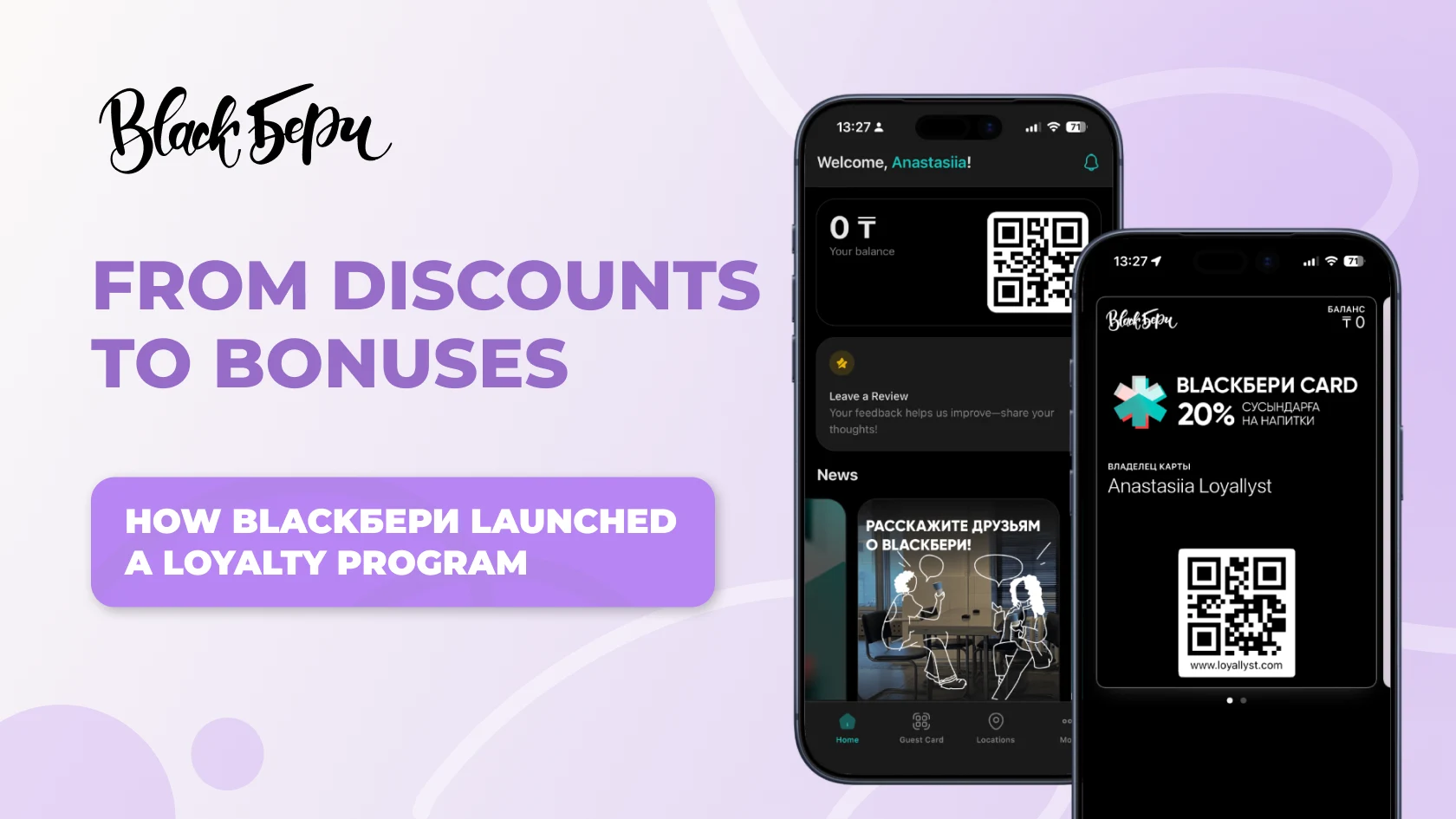
A case study on implementing a loyalty program: how a business moved from discounts to a bonus-based system, digitized its customers, and started gaining insights into the customer profile.
1. BlackБери — Business Context
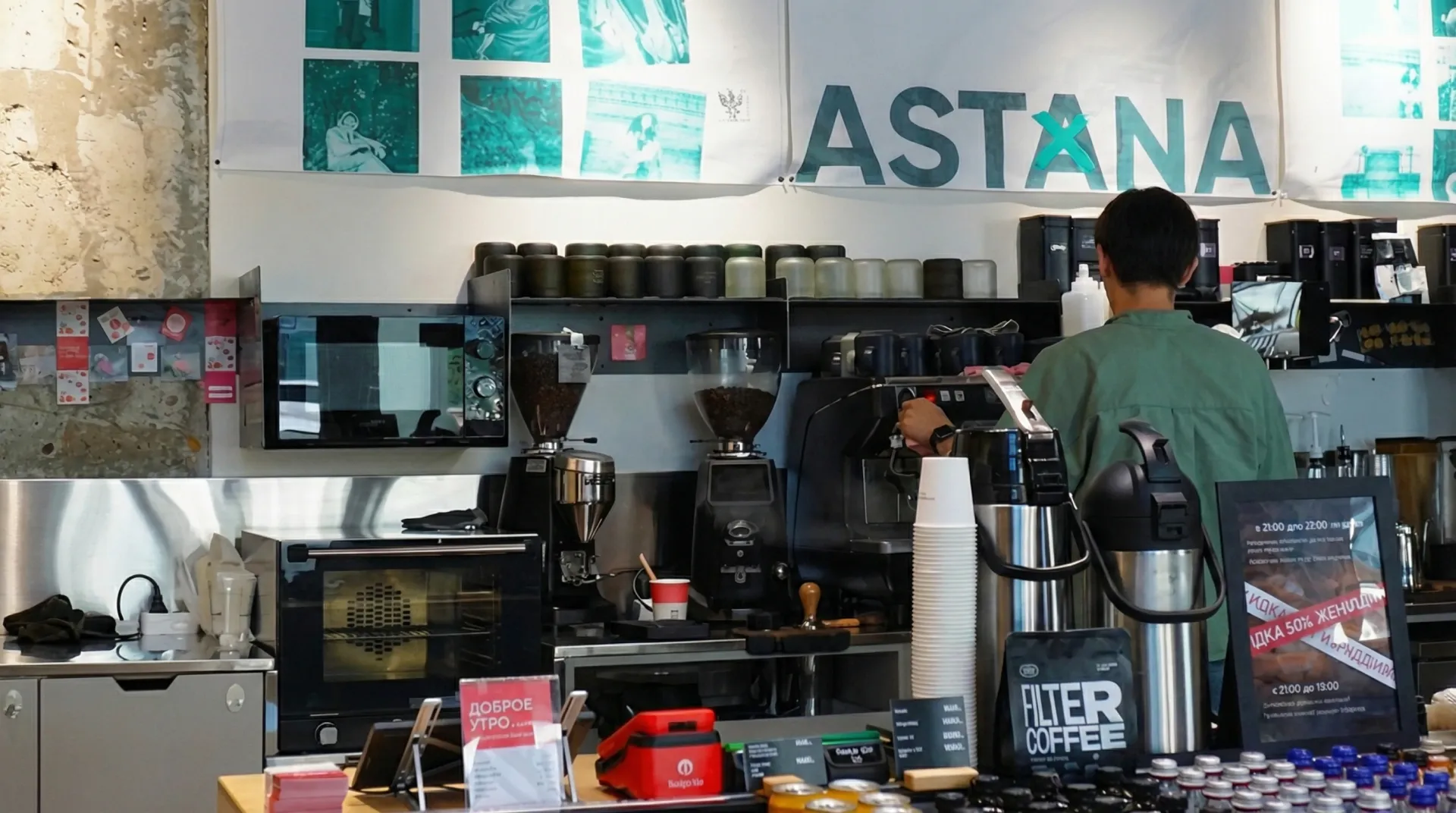
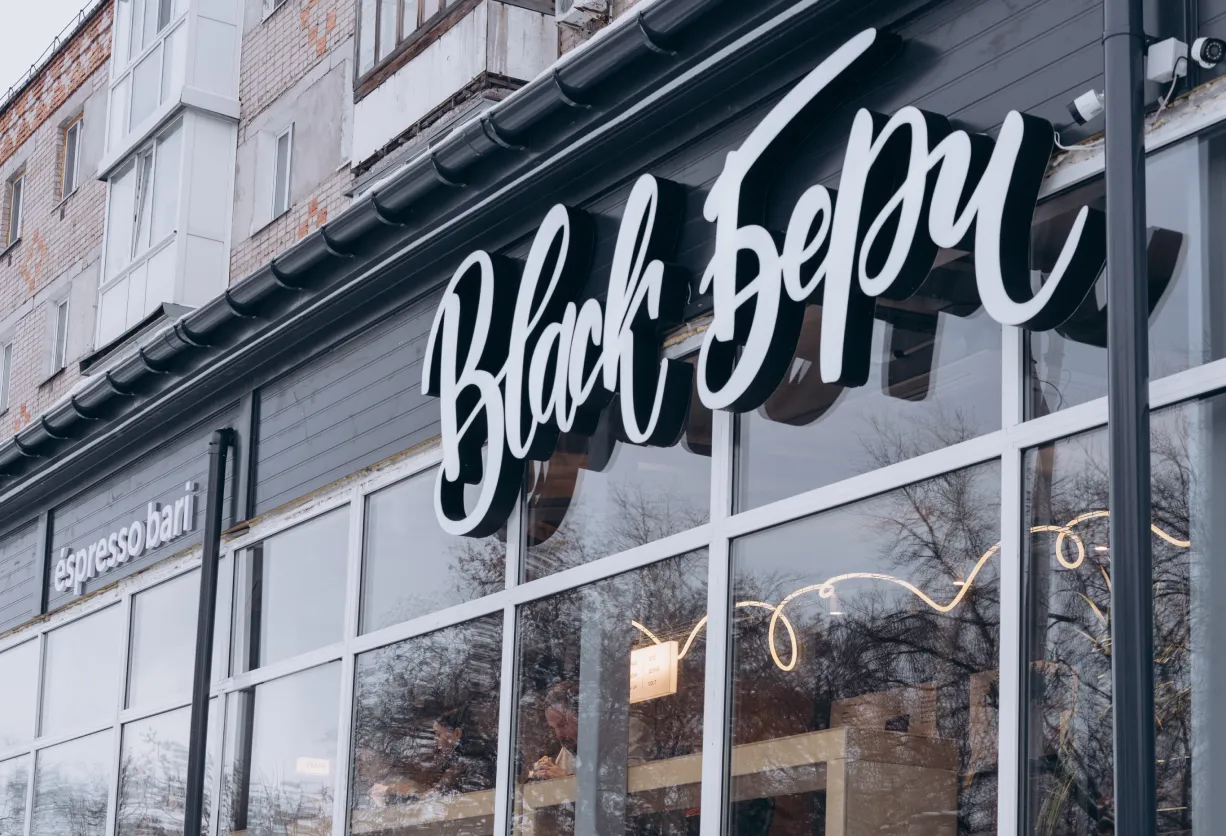
BlackБери is not just a chain of espresso bars. In Kazakhstan, it is a brand that sets the tone for urban coffee culture. Over just a few years, BlackБери grew into a network of 22 locations in the country’s largest cities, actively shaping consumption culture and regularly introducing new approaches to working with guests. The BlackБери team has long established itself as a trendsetter, being one of the first to introduce a morning discount as a customer acquisition tool. However, over time it became clear that even successful mechanics require revision when a business grows and customer behavior evolves.
2. The Problem Before Launching the Loyalty Program
Before implementing the loyalty program, BlackБери’s customers were not digitized. The business only had access to general metrics — number of receipts and total revenue — without understanding individual customer behavior. The primary retention tool was a morning discount. Although the mechanic worked, it had several limitations:
- it incentivized only part of the audience;
- it did not stimulate repeat visits at other times of the day;
- it did not allow analysis of loyalty or visit frequency. The lack of guest-level data made it impossible to analyze repeat visits, engagement, and overall loyalty effectiveness. Decisions were made intuitively, without relying on data or customer segmentation.
3. Goals of Launching the Loyalty Program
The morning discount format limited the audience and did not allow for building long-term relationships with guests. The BlackБери team decided to replace temporary discounts with a bonus-based system that:
- operates throughout the entire day, not just during specific hours;
- rewards all guests regardless of visit time;
- is perceived as more valuable and “fair” for loyal customers. Special attention was given to the financial model. It was important to maintain the ability to offer a high cashback rate (20%) without increasing pressure on the business’s financial performance. To achieve this, a logic was chosen where bonuses are not accrued on receipts in which bonuses are already being used. Thus, the goal was not simply to launch a loyalty program, but to create a manageable and scalable system that simultaneously:
- replaces discounts;
- digitizes guests;
- provides the business with data for future growth.
4. Launch of the Loyalty Program
BlackБери approached Loyallyst in September. By December 10, the team was already able to officially announce the launch of the loyalty program for guests. During this time, the Loyallyst team:
Implemented Custom Logic on Top of the Accounting System
To comply with the financial model, an additional layer was developed over the standard Poster functionality:
- bonuses are not accrued on receipts where bonuses are already being used.
Developed a Receipt Plugin
In addition, a custom receipt plugin for Poster was created, allowing the business to:
- print receipts with a defined structure;
- display relevant information about the loyalty program;
- adapt the receipt to support the brand’s communication objectives.
As a result, the receipt became not just proof of payment, but an additional channel of interaction with guests.
5. Results
At the time of preparing this case study, the loyalty program has been operating for about 1.5 months, so it is still too early to discuss final quantitative results. However, the business has already observed key changes:
- significant growth in the number of digitized guests;
- complete discontinuation of the morning discount;
- access to customer behavior data that previously did not exist;
- the ability to use RFM analysis and segmentation;
- positive feedback from loyal guests.
6. Conclusions
The BlackБери case demonstrates that a loyalty program is not only a retention tool, but also a foundation for data-driven business management.
In this project, Loyallyst helped to:
- replace a limiting discount mechanic with a flexible bonus-based model;
- implement custom logic aligned with the client’s financial model;
- provide the business with access to data that had never existed before. As a result, the business gained not just a replacement for discounts, but a comprehensive tool for customer digitization, analytics, and further scaling.
Let’s talk
Leave your contact details, and we’ll get in touch shortly.

Frequently Asked Questions
The morning discount covered only part of the audience, did not encourage repeat visits throughout the day, and provided no customer behavior data. A bonus-based mechanic works all day, covers all guests, and enables long-term relationship building.
To maintain a high cashback rate (20%) without harming unit economics, Loyallyst implemented custom logic: bonuses are not accrued on receipts where bonuses are already redeemed. The entire process is fully automated and requires no manual control from staff.
From the first request to the official public launch, the process took about three months. During this time, integration with Poster, custom accrual logic, and a branded receipt printing plugin were implemented.