Loyalty in marketing: why do some customers come back while others don’t?
There are businesses where advertising seems to work the same way, prices are similar, and the service is good too. But people return to some of them again and again, while they visit others once and disappear. Usually, the difference is loyalty. And no, it’s not only about discounts or bonus cards. Although they also play a role. Customer loyalty in marketing is simply a much broader story. It is about habit, emotions, trust, and even how a person perceives a brand on the level of feelings. Let’s go through it step by step.

What is loyalty in marketing?
To put it simply, loyalty is a customer’s willingness to choose a specific brand again, even when there are alternatives nearby. And they are not always cheaper or more convenient. Sometimes a person travels halfway across the city to a familiar coffee shop. Or buys jewelry from the same store for years. Is it rational? Not always. But this is exactly how consumer loyalty marketing works. Essentially, the task of a business is to make sure the customer stops comparing options from scratch every time.
How is the definition of loyalty understood in marketing?
Usually, loyalty means a combination of two things:
| Component | What it means |
|---|---|
| Behavior | the customer comes back |
| Emotion | the customer likes the brand |
If there is only one of these, the connection is weak. For example, a person may buy a product only because of a low price. But as soon as a bigger discount appears nearby, they will leave.
What is a loyalty program in marketing?
When people talk about customer loyalty marketing, they almost always mention loyalty programs.
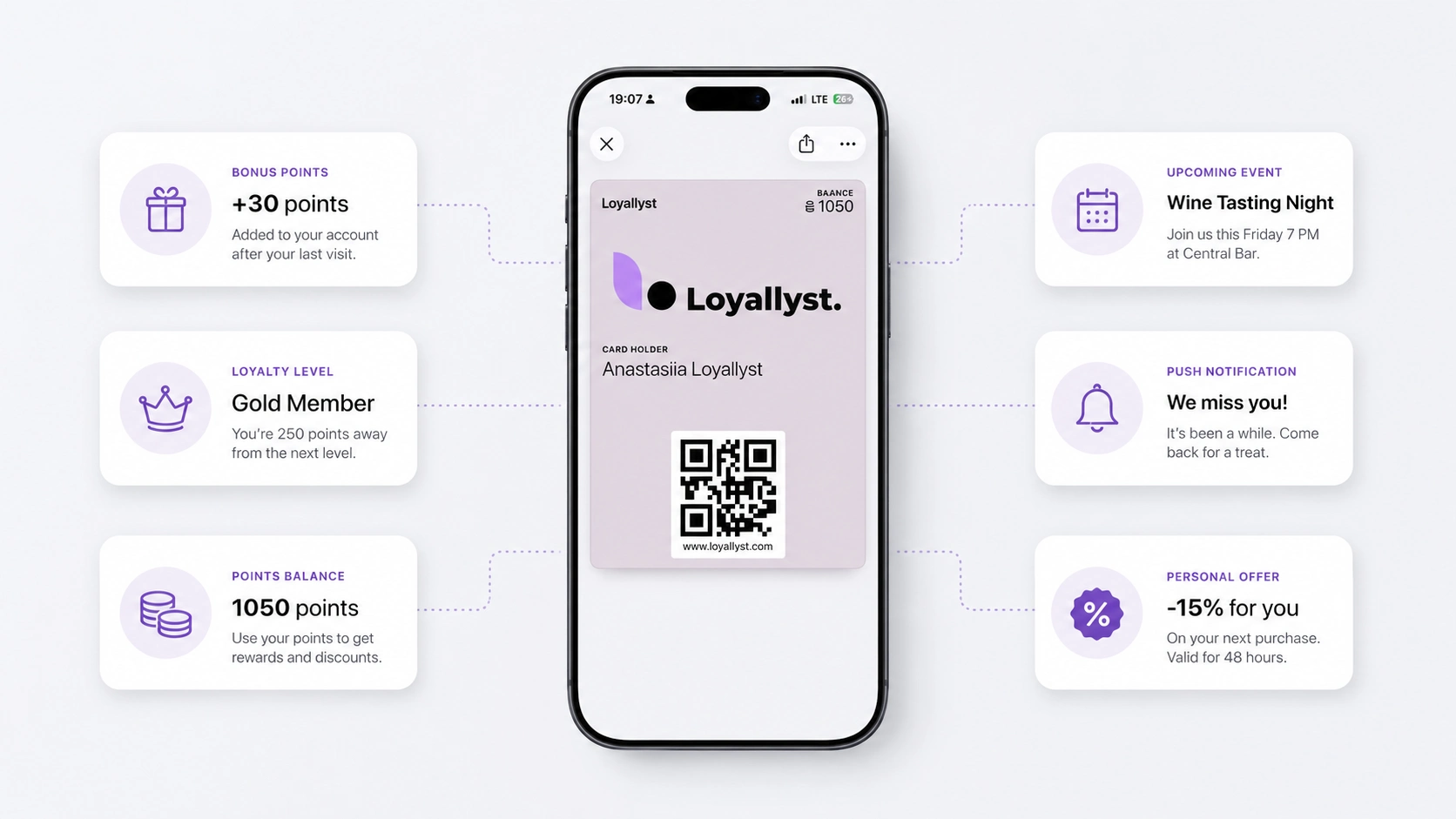
And that makes sense. A loyalty program is a tool that helps maintain contact with the customer after a purchase:
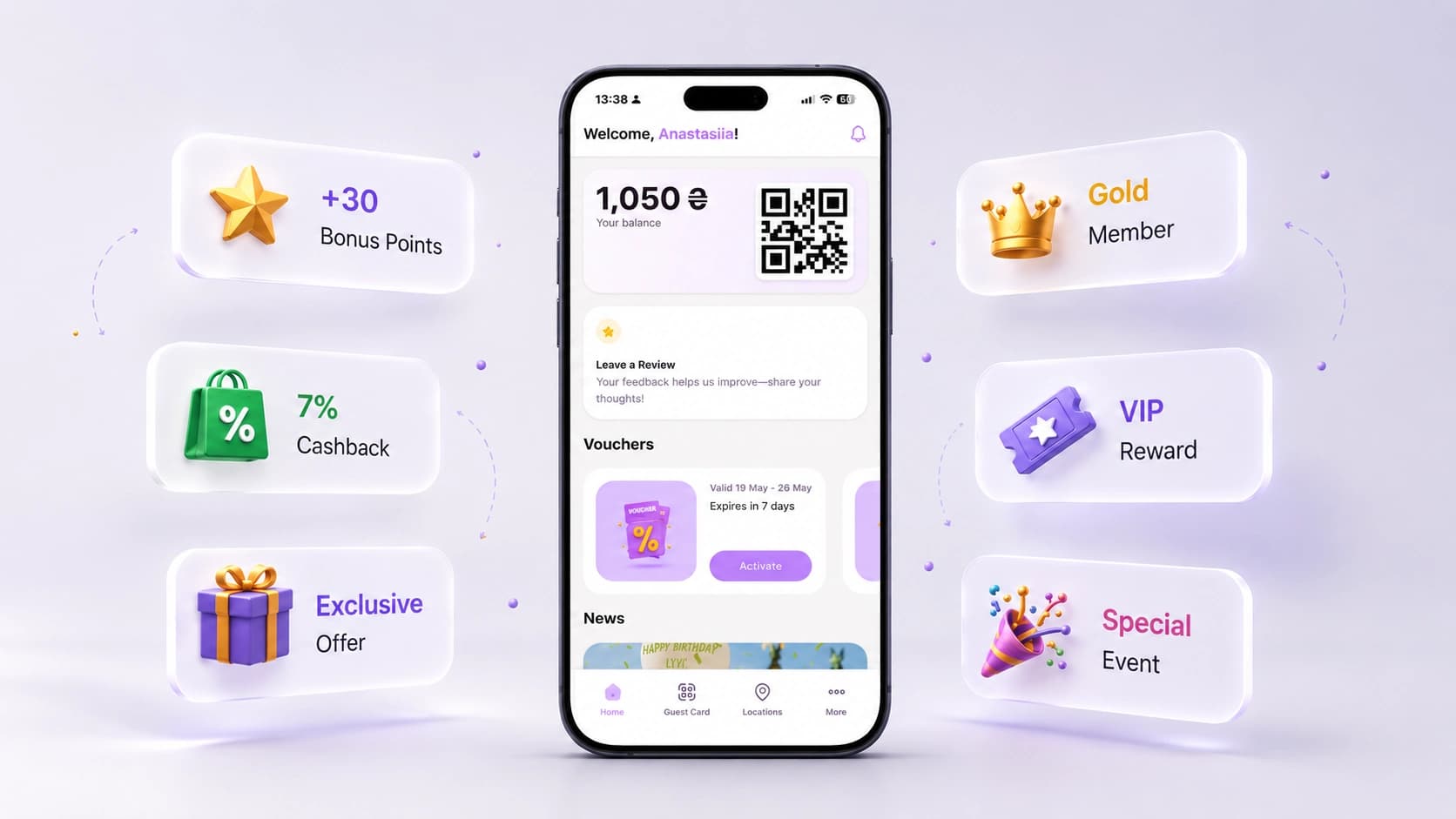
- bonuses;
- tiers;
- personal offers;
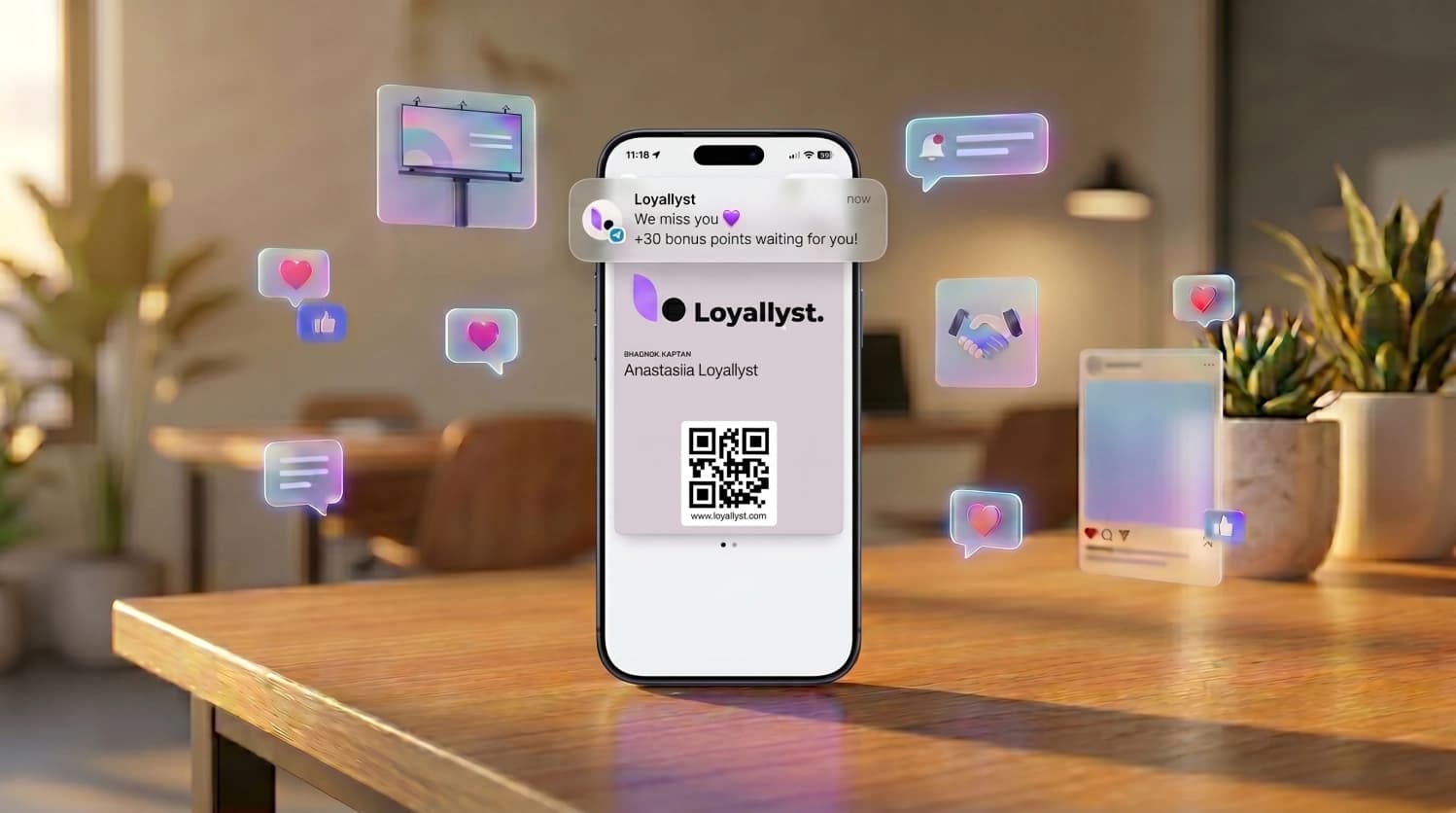
- push notifications;
- accumulation.
What types of loyalty are there?
There are several main models. These are the ones most often discussed in marketing. And yes — these are the same types of loyalty in marketing: behavioral, emotional, and attitudinal. Each has its own specifics.
Behavioral loyalty
This is the simplest type. The customer comes back. They buy regularly. But they are not necessarily emotionally attached to the brand. This type of loyalty is often based on:
- convenience;
- bonuses;
- price;
- habit.
Example
A car wash implemented a bonus system:
- every 5th wash with a discount;
- a push reminder after 3 weeks.
Thanks to such a loyalty system for a car wash, repeat visits increased by 18% after 2 months. People started coming more often. Not because they “love the brand”, but because it is beneficial and familiar to them.
Emotional loyalty
This is where attachment appears. A person chooses a brand not only rationally, but also emotionally. This works especially well in:
- coffee shops;
- bars;
- the beauty industry;
- fashion.
Example
As part of a loyalty program for a bar, they started creating personal offers for regular guests:
- invitations to private parties;
- “for our regulars” cocktails;
- birthday greetings.
- tag the bar more often on social media;
- bring friends;
- come back without promotions or discounts.

Attitudinal loyalty
The strongest form. The customer does not just come back — they start associating themselves with the brand. Such people:
- recommend the company;
- defend it in discussions;
- are willing to pay more.
Example
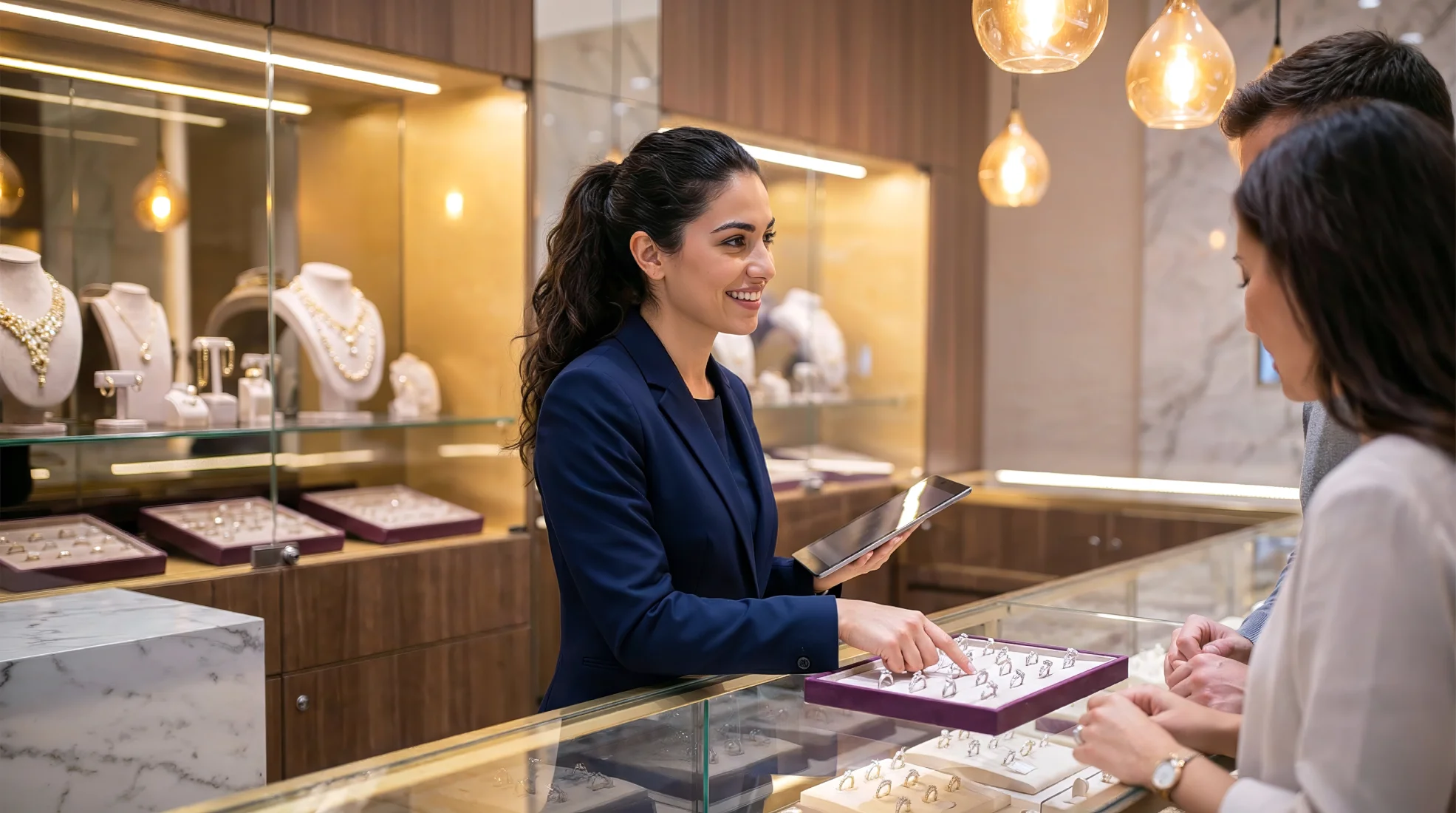
A jewelry brand launched a private club for regular customers:
- early access to collections;
- personal consultations;
- separate offers.
After six months, the loyalty system for a jewelry store delivered results:
- repeat purchases increased by 21%;
- the average order value grew by approximately 16%.
Why loyalty marketing works better than constant discounts
A discount gives a short-term effect. Loyalty gives a long-term one. When a business constantly dumps prices, the customer starts waiting for promotions. And buys only because of the price. But loyalty marketing works differently:
- creates a habit;
- keeps attention;
- increases repeat sales;
- forms an emotional connection.
What helps increase loyalty?
There are several things that really work:
| Tool | What it gives |
|---|---|
| Bonuses | encourage customers to return |
| Personalization | strengthens the connection |
| Push notifications | remind about the brand |
| Loyalty tiers | create motivation |
| VIP access | increases value |
Conclusion
In short, customer loyalty marketing is not only about cards and bonuses. It is about relationships. About making sure a person does not simply buy a product once, but starts perceiving the brand as something familiar and understandable. That is why loyalty becomes one of the most important things for a business. Because a regular customer is almost always more valuable than a random one.

Frequently asked questions
Loyalty in marketing is a customer’s willingness to choose a specific brand again, even when there are alternatives nearby. It is a combination of behavior (the customer comes back) and emotion (the customer likes the brand).
There are three main types: behavioral loyalty — the customer returns because of convenience, price, or habit; emotional loyalty — the person chooses the brand with attachment; attitudinal loyalty — the strongest form, when the customer associates themselves with the brand and recommends it to others.
A loyalty program is a tool for maintaining contact with the customer after purchase through bonuses, tiers, personal offers, and push notifications. It prevents the brand from disappearing from the person’s life after payment.
A discount gives a short-term effect and teaches the customer to buy only during promotions. Loyalty marketing, instead, creates a habit, keeps attention, increases repeat sales, and forms an emotional connection with the brand.
The most effective tools are: bonuses (encourage customers to return), personalization (strengthens the connection), push notifications (remind customers about the brand), loyalty tiers (create motivation), and VIP access (increases value).