How to Increase Brand Awareness: What Really Helps a Business Become Memorable
Some businesses are recognized literally at first glance — by their packaging, colors, atmosphere, or even a push notification on someone’s phone. And then there are companies that seem to be doing everything right: ads are running, social media is active, promotions are launched — but the brand still remains “just one of many.” This is exactly where the conversation about brand awareness begins. And it is relevant not only for big companies. For a coffee shop, vape shop, beauty salon, or clothing store, brand awareness also plays a huge role. Because familiar brands are chosen faster.
What Does Brand Awareness Actually Do?
In short, it shortens the path to purchase. When a person has already seen a brand before, they:
- have fewer doubts;
- make decisions faster;
- return more easily.
Which Brand Awareness Tools Work Best
There are several main methods businesses use most often.
| Tool | What it provides |
|---|---|
| Social media | visual recognition |
| Advertising | fast reach |
| Loyalty program | regular contact |
| Push notifications | reminders about the brand |
| Collaborations | access to a new audience |
| Visual identity | association with the brand |
But it is important to understand one thing: simply “being visible” is no longer enough. People forget ads too quickly. That is why today, the combination of awareness and loyalty works best.
Why Does a Loyalty Program Affect Brand Awareness?
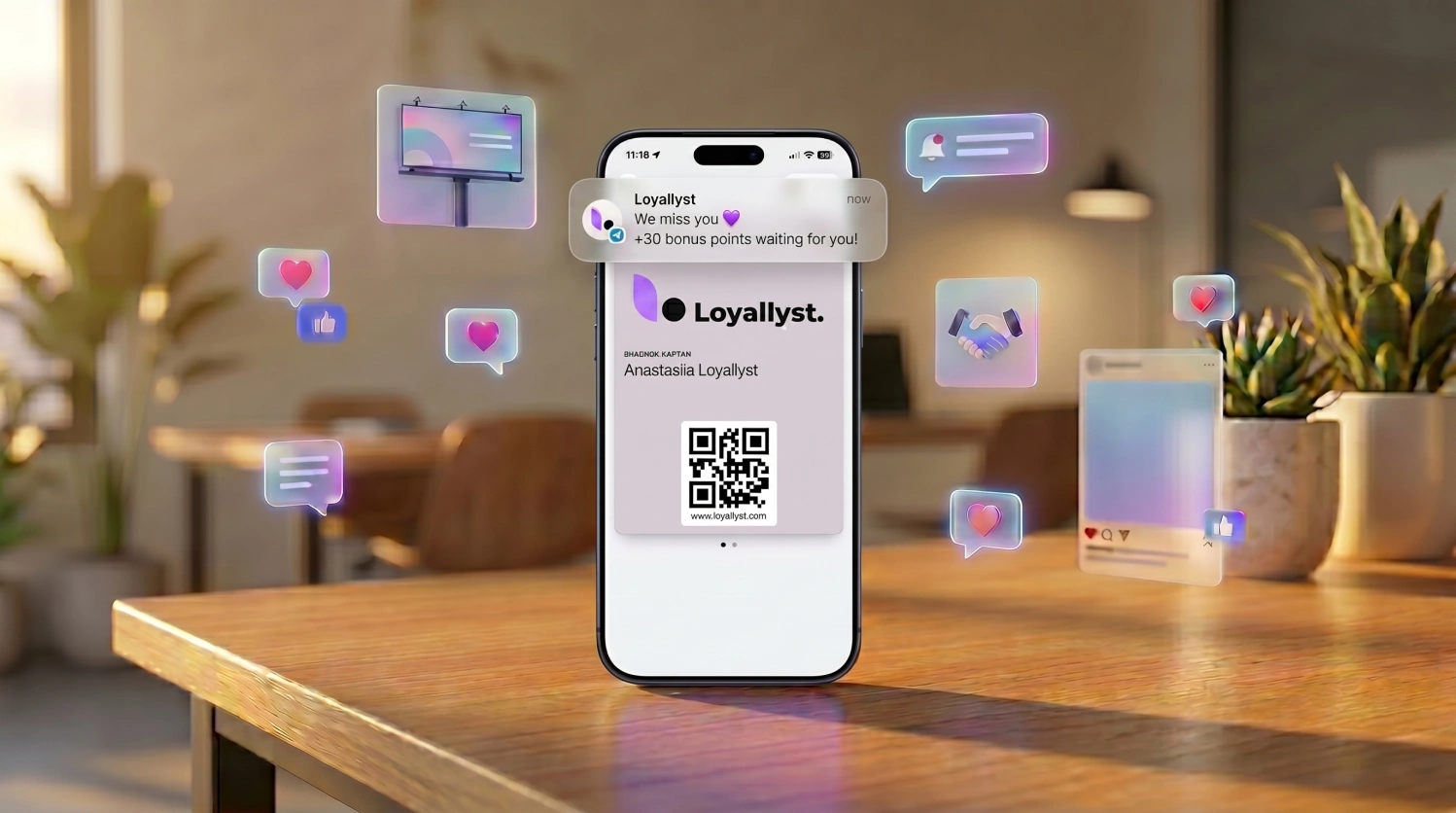
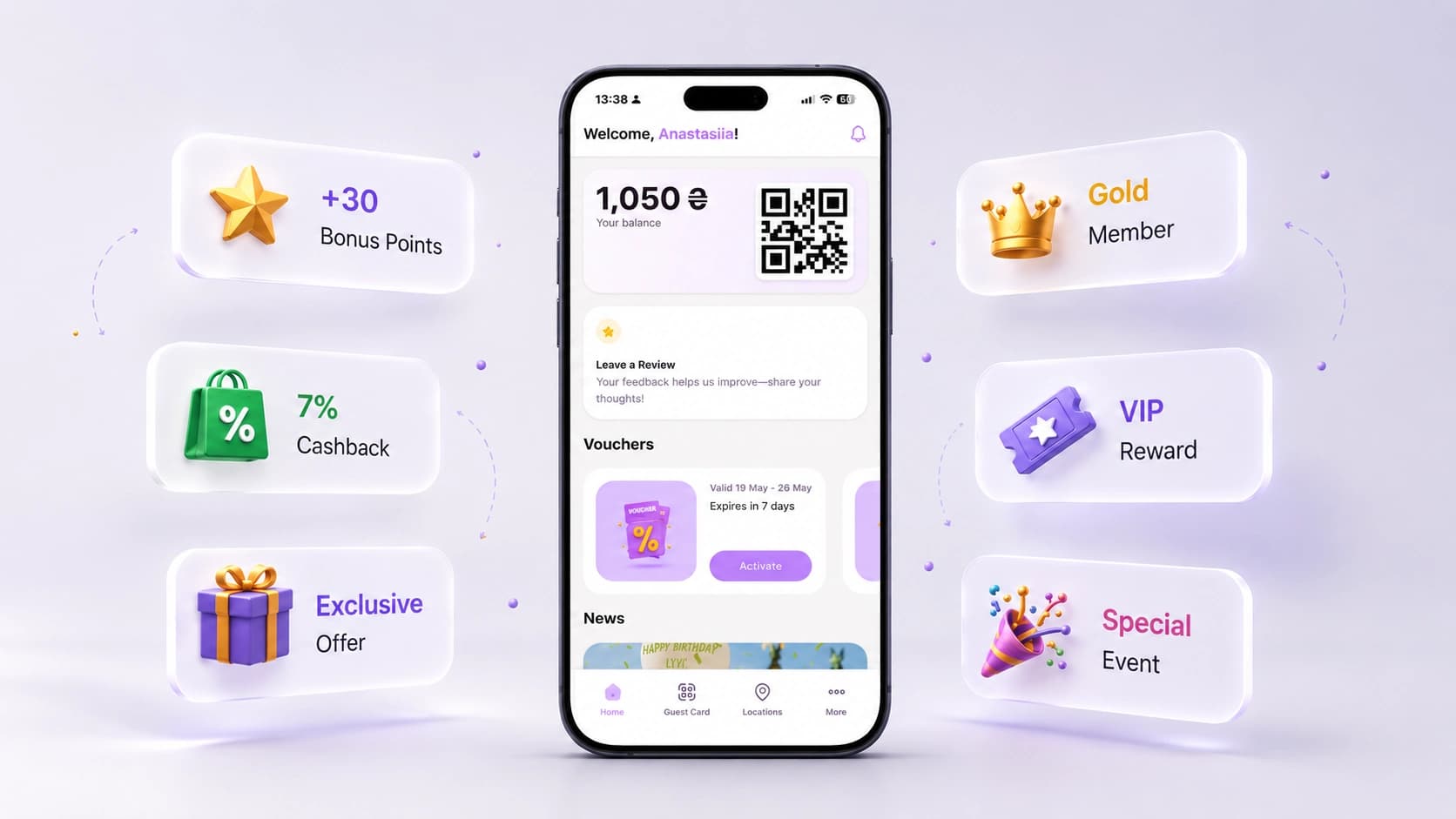
Many people think that a loyalty program is only for bonuses. In fact, it also works very well for increasing brand awareness. Why? Because the brand starts appearing regularly in the customer’s life:
- a card in Apple Wallet;
- push notifications;
- bonuses;
- personalized offers;
- promotions.

Example: a Vape Shop
A small vape shop launched digital loyalty cards. What changed:
- push notifications started getting opened more often than SMS;
- some customers started returning specifically because of accumulated bonuses;
- the brand started being mentioned more often in local chats and Telegram channels.
After 4 months, the loyalty program for the vape shop showed the following results:
| Metric | Before | After |
|---|---|---|
| Repeat purchases | 29% | 46% |
| New customers through referrals | +11% | +28% |
This is how the combination of brand awareness and loyalty works.
Social Media and Visual Brand Recognition
This is the foundation. Especially for:
- beauty salons;
- fashion stores;
- hookah lounges;
- coffee shops.
Example: a Beauty Salon
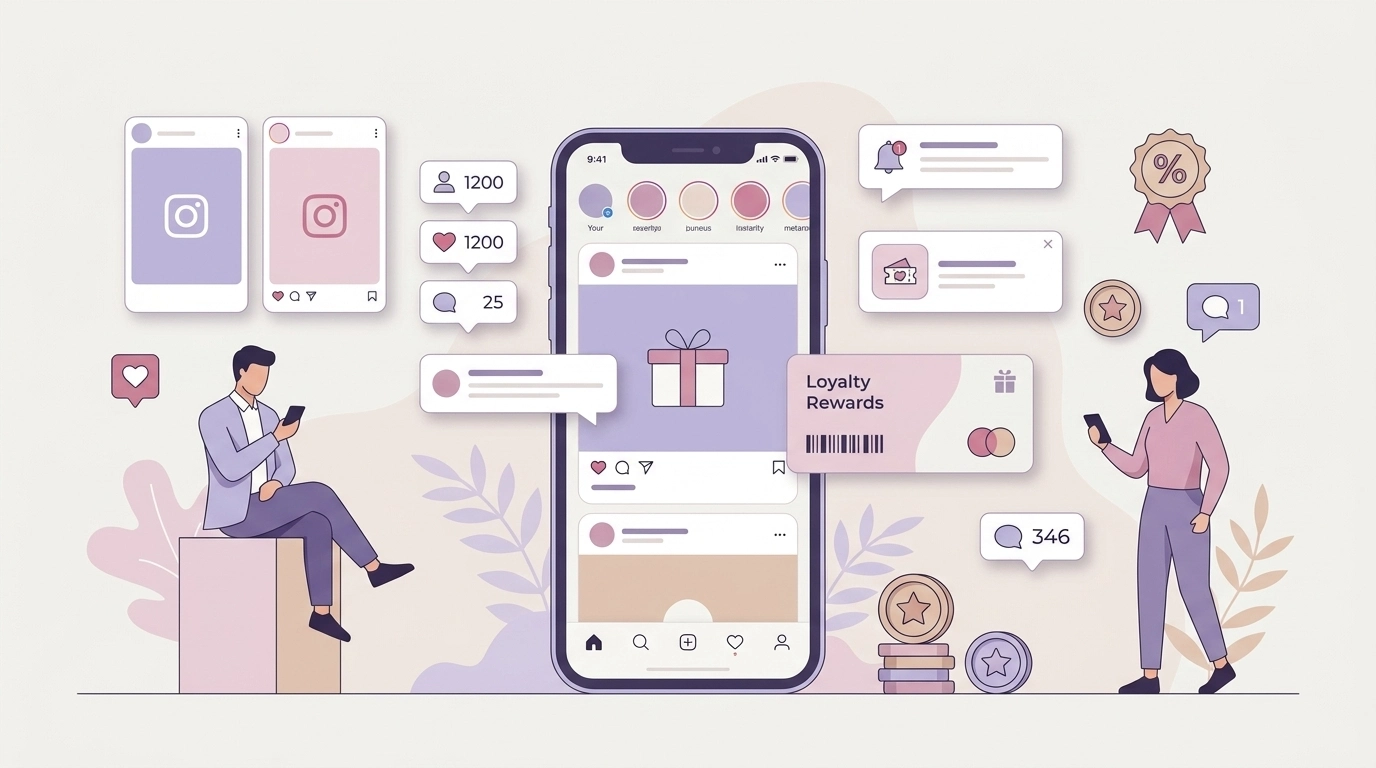
The salon started creating content in a consistent style:
- the same colors;
- branded stories;
- short videos of the specialists;
- push notifications with personalized offers.
- tag the salon in stories;
- recommend specialists more often;
- return without additional discounts.
Collaborations and Partnerships
This is an underestimated tool. When two businesses with similar audiences join forces, they essentially exchange customer attention.
Example: a Hookah Lounge + Vape Shop
A hookah lounge and a local vape shop decided to run a joint promotion for their audience. The logic was simple: the businesses had overlapping customers but had not worked directly with each other before. What they did:
- guests of the hookah lounge received bonuses for buying liquids or accessories at the vape shop;
- vape shop customers received free tea or a discount on hookah at the lounge.
| Metric | Result |
|---|---|
| New guests through the partner promo | +21% |
| Repeat visits to the hookah lounge | +17% |
| Social media followers | +14% |
And what is interesting — advertising was barely used. The main effect came from audience exchange and regular contact through the loyalty program. This kind of brand awareness promotion usually feels much more natural to customers than standard banner advertising.
Push Notifications as a Brand Awareness Tool
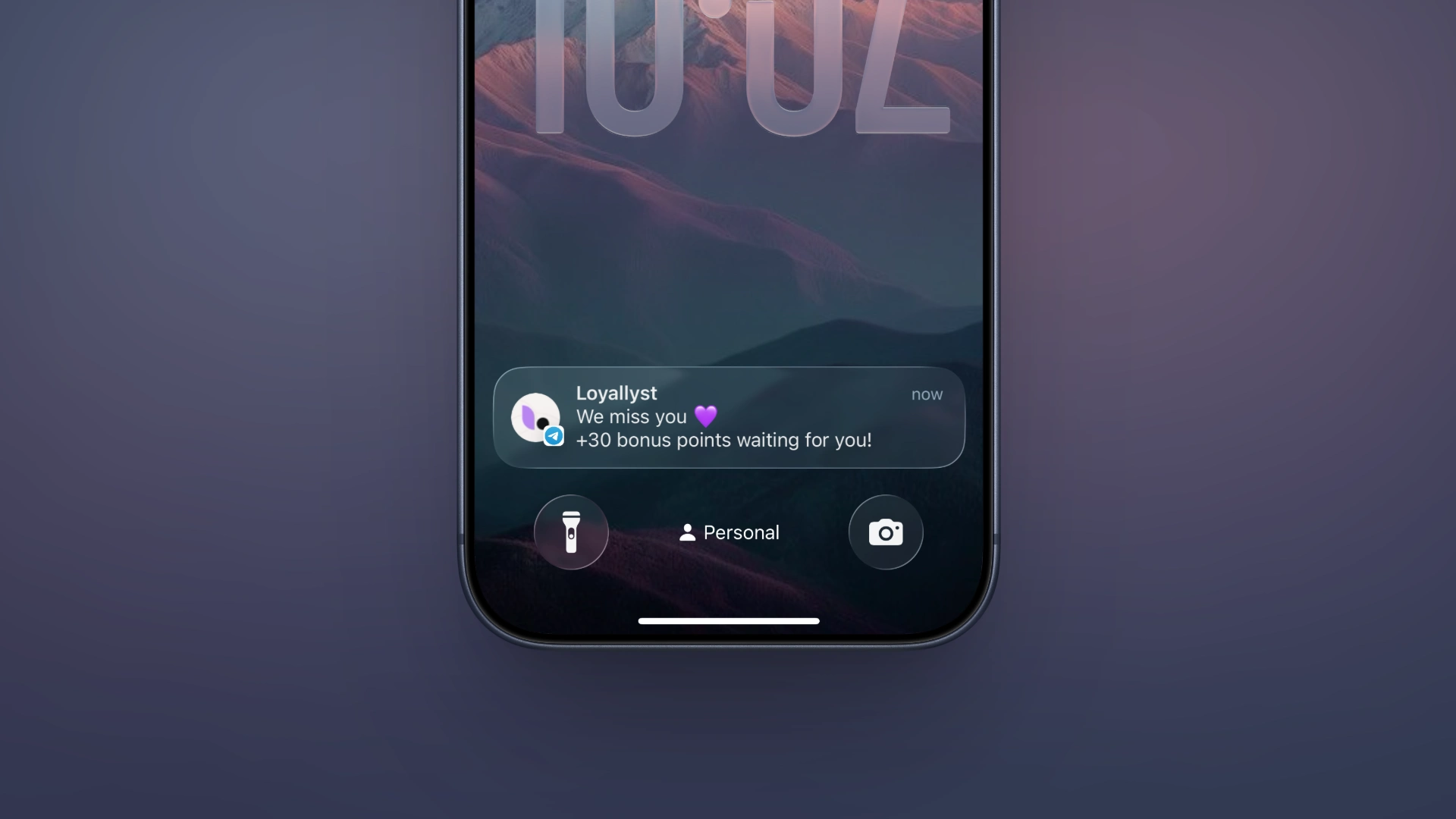
This is one of the most underestimated channels. If a push notification is done properly — without spam or aggressive sales — it constantly reminds customers about the brand. And does so softly.
Example: a Hookah Lounge
With the help of a loyalty program for a hookah lounge, notifications were sent only about events:
- new flavors;
- parties;
- private events.
- guests started returning more often;
- the number of weekend bookings increased;
- the brand became more recognizable among competitors in the area.
Advertising and Brand Awareness
Yes, advertising still works. But now it rarely creates a long-term effect on its own. If a person sees an ad just once, they will quickly forget it. That is why a good brand awareness strategy usually looks like this:
- Advertising attracts attention;
- A loyalty program maintains contact;
- Push notifications and social media sustain awareness.
What Brand Awareness Goals Does a Business Most Often Have?
Usually, a business wants to:
| Goal | What helps |
|---|---|
| Be memorable | visual identity |
| Bring customers back | loyalty program |
| Increase trust | social media and reviews |
| Increase repeat sales | bonuses and push notifications |
| Stand out from competitors | personalization |
Conclusion
To be honest, brand awareness growth rarely happens because of just one tool. Today, what works best is a combination of:
- visual presence;
- a loyalty program;
- personalized communication;
- constant contact with the customer.

Frequently Asked Questions
A recognizable brand shortens the path to purchase: customers hesitate less, decide faster, and return more easily. Even for a small café, beauty salon, or clothing store, a familiar brand gets chosen more often than an unknown competitor with a better price.
A loyalty program creates regular touchpoints with the customer: a card in Apple Wallet, personalized push notifications, bonuses, and promotions. The person sees the brand again and again — and gradually remembers it. For example, a vape shop that launched a loyalty program grew its referred new customers from 11% to 28%.
Yes, and it's one of the most underrated tools available. Two businesses with similar audiences effectively exchange customer attention. A hookah bar and a vape shop running a joint promotion brought in 21% more new guests and increased repeat visits by 17% — with almost no advertising spend.
Push notifications gently remind customers about the brand — as long as they don't turn into spam. A hookah bar that sent messages only about new flavors and events, without endless discount blasts, saw growth in repeat visits, weekend bookings, and higher recognition among local competitors.
Advertising alone rarely produces a lasting effect — people see it once and quickly forget. The best results come from a combination: advertising attracts attention, a loyalty program maintains the connection, and push notifications and social media sustain brand awareness over time.